

2018-2023 McLaren 720S & 765LT Rain/Light Sensor: Auto Wiper & Headlight Failure Guide
Diagnosing why your automatic wipers and headlights are acting up on your 720S or 765LT, and what to know before buying a replacement sensor.
- A faulty rain/light sensor affects both automatic wipers and headlights.
- The most common cause of failure after a windshield replacement is an improperly installed (or reused) adhesive gel pad, not the sensor itself.
- When buying a used sensor, you MUST purchase a new, separate gel pad for it to work.
- Replacement requires a diagnostic tool to clear error memory and/or recalibrate the system, making it a difficult DIY job for most owners.
Symptoms of a Failing Rain/Light Sensor
A faulty rain/light sensor on a McLaren 720S or 765LT typically manifests as erratic behavior in the automatic wiper and headlight systems. While McLaren is known for occasional electronic quirks, these specific symptoms often point directly to the sensor module or its installation.
- Automatic Wipers Don't Activate: The most common symptom is the wipers failing to turn on when it starts raining, forcing you to operate them manually.
- Wipers Run Constantly: The sensor may get stuck in a 'wet' state, causing the wipers to run continuously even in dry weather. This can burn out the wiper motor over time.
- Erratic or Delayed Wipers: The wipers may activate randomly, swipe at the wrong speed for the amount of rain, or have a significant delay before responding to moisture.
- Automatic Headlights Malfunction: Since the module also controls lighting, you may notice the headlights not turning on in low-light conditions or staying on during broad daylight.
- Fault Message on Dash: Some failures may trigger a specific warning light or message on the driver display, although this is not always the case.
Pro Tip: Before assuming the sensor is bad, thoroughly clean the windshield area directly in front of the sensor. Dirt, grime, or certain hydrophobic coatings like Rain-X can interfere with the sensor's optical lens and cause malfunctions.
Known Issues, TSBs, and Recalls
As of mid-2026, there are no specific recalls or Technical Service Bulletins (TSBs) from McLaren or the National Highway Traffic Safety Administration (NHTSA) for the rain/light sensor on the 2018-2023 McLaren 720S or 2020-2023 McLaren 765LT.
However, these vehicles have been subject to other important safety recalls. These include recalls for potential fuel leaks from a corroded tank (NHTSA 20V231000), brake line issues that could affect braking performance (NHTSA 21V561000, 25V216000), and, on the 765LT, a rear window panel that could detach at high speeds (NHTSA 2024/002). It is recommended to check with a McLaren dealer to ensure all applicable recalls have been performed on your vehicle.
Buying a Used Rain/Light Sensor
Given the high cost of new McLaren parts, a used OEM sensor is a practical option. However, there are critical details to be aware of to ensure it works correctly.
1. The Gel Pad is a One-Time-Use Item
This is the most important factor. The sensor does not sit directly on the glass. It uses a clear, soft adhesive gel pad to create a perfect optical connection. This pad cannot be reused. A used sensor will either have a degraded old pad or no pad at all. You must purchase a new gel pad for the installation to be successful. Installing a sensor with an old pad, no pad, or air bubbles will cause it to fail.
2. Physical Inspection
Before purchasing, inspect the used sensor for:
- Lens Condition: The clear optical lens on the face of the sensor should be free of deep scratches, cracks, or haziness.
- Connector Pins: Look at the electrical connector pins. They should be straight, clean, and free of any green or white corrosion.
- Housing Integrity: Check for cracks or damage to the plastic housing, which could indicate it was removed forcefully.
3. Part Number and Compatibility
The primary OEM part number is 14AA327CP. Another number seen for the 720S is 6PW011357. Some vendors may also use a descriptive part number like 720S-765LT-SENNA-RAINLIGHTSENSOR, confirming its use across multiple models. Always match the part number from your old sensor if possible.
Warning: While the sensor module itself is likely identical for the 720S Coupe and Spider models, the windshield and surrounding trim may differ. It is always best to confirm compatibility for your specific body style, ideally by providing a VIN to the seller.
Cost to Replace a Rain/Light Sensor
| Part/Service | Estimated Cost (USD) |
|---|---|
| New OEM Sensor | $450 - $700+ |
| New Aftermarket Sensor | Not Available |
| Used OEM Sensor | $150 - $300 |
| Shop Labor | $200 - $400 |
Costs are estimates as of late 2026. New OEM pricing can be high and subject to dealer markup. Labor costs reflect specialist shop rates for 1-2 hours of work, including diagnostics and calibration.
Installation and Calibration
Physically replacing the sensor is straightforward, but electronic calibration is required, making it a more complex job than it appears.
Difficulty: 4 out of 5 (due to calibration requirement)
- Access the Sensor: The sensor is located behind the rearview mirror. Carefully pry off the plastic trim covers that surround the mirror's base. According to the McLaren service manual, these pieces clip into the windshield bracket.
- Disconnect and Remove: Unplug the electrical connector from the sensor. Then, release the retaining clips holding the sensor to its mounting bracket on the windshield and remove it.
- Prepare for Installation: Thoroughly clean the inside of the windshield where the sensor will mount. Apply a new adhesive gel pad to the face of the replacement sensor, ensuring there are no air bubbles.
- Install the New Sensor: Clip the new sensor onto the mounting bracket, ensuring it is flush and secure. Reconnect the electrical connector.
- Re-Calibrate the System: This is the critical final step. The vehicle's computer must be told that a new sensor is present. The official McLaren procedure specifies using a diagnostic tool to "Read out and clear error memory." Without this step, the system may not function correctly. 🎬 Watch: How to relearn rain-sensing wipers
- Reassemble: Snap the mirror trim covers back into place. Test the function of both the automatic wipers and automatic headlights.
Frequently Asked Questions
Do I have to calibrate the rain sensor after replacing it?
Yes, calibration or at least an electronic reset is almost always necessary. The McLaren service manual requires clearing the system's error memory with a diagnostic tool. Skipping this step is a common reason for a new sensor not working correctly.
My auto wipers stopped working after a windshield replacement. 🎬 Watch: Why windshield replacements often break rain sensors Is the sensor bad?
Probably not. The issue is almost certainly with the gel pad between the sensor and the new glass. The glass shop may have tried to reuse the old pad, installed the new one incorrectly (creating air bubbles), or forgotten it entirely. This is the number one cause of rain sensor failure after a windshield replacement.
Can I reuse the old gel pad from my original sensor?
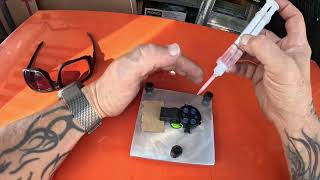
No. The gel pad is designed for a single application. Removing the sensor destroys the pad's perfect optical bond. Reusing it will trap air bubbles and debris, preventing the sensor from detecting rain correctly. 🎬 See how to apply a new gel pad A new pad is required for any installation.
Is the rain sensor for the 720S Coupe the same as the 720S Spider?
The electronic sensor module itself is expected to be the same. However, because the Spider has a different roof and windshield structure, the mounting bracket or trim pieces could potentially differ. It is always safest to verify the part number or check with a dealer using your car's VIN.
Helpful Videos

Technical Specifications
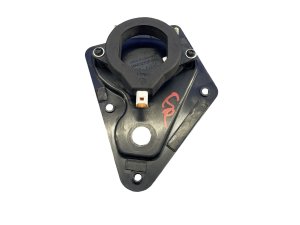
OEM Part Numbers: 14AA327CP 6PW011357
Combined infrared rain sensor and ambient light photodiode. Mounts to the interior of the windshield.
We Have This Part in Stock


The information in this article is provided for general reference and educational purposes only. Vehicle specifications, procedures, and part compatibility can vary by production date, trim level, and region. Always consult your vehicle's factory service manual and verify part numbers before purchasing or performing repairs. Safety-critical components such as airbags, seat belts, and braking systems should be installed by a qualified professional.
- MCLAREN 720S:
- MCLAREN 765LT:
- 🎬 Helpful Videos
- 🛍️ Shop This Part
- Symptoms of a Failing Rain/Light Sensor
- Known Issues, TSBs, and Recalls
- Buying a Used Rain/Light Sensor
- 1. The Gel Pad is a One-Time-Use Item
- 2. Physical Inspection
- 3. Part Number and Compatibility
- Cost to Replace a Rain/Light Sensor
- Installation and Calibration
- Frequently Asked Questions
- 🎟️ Get 5% Off