

2014-2016 Jaguar XF, XE, XJ & F-TYPE Rain Sensor Module Issues and Replacement
This guide covers common failures, replacement, and the critical role of the gel pack for the rain sensor module in 2014-2016 Jaguar XF, XE, XJ, and F-TYPE models.
- The most common cause of rain sensor failure is a bad gel pack, not the sensor itself, especially after a windshield replacement.
- Always replace the clear gel pack when installing a new or used sensor to avoid air bubbles and ensure proper function.
- This module (part number CPLA-17D547-AH) is typically plug-and-play and does not require programming if the part number is an exact match.
- A faulty sensor can also affect the operation of the automatic headlights.
Symptoms of a Failing Rain Sensor Module


When the rain sensor module fails on a 2014-2016 Jaguar XF, XE, XJ, or F-TYPE, you will primarily notice issues with the automatic wiper function. Manual wiper speeds will typically continue to work correctly. Here are the most common symptoms:
- Automatic wipers do not activate in the rain: This is the most obvious sign of failure. Despite the wiper stalk being in the 'Auto' position, the wipers remain off, forcing you to use the manual settings.
- Wipers run constantly in 'Auto' mode: The sensor may get stuck in a 'wet' state, causing the wipers to run continuously, even in dry weather. This is sometimes referred to as "ghost wiping."
- Erratic or incorrect wiper speed: The wipers may activate randomly, fail to adjust their speed to the intensity of the rain, or stop mid-wipe.
- Single "acknowledgement" wipe only: Some owners report that when they switch to 'Auto' mode, the wipers perform a single wipe but then fail to respond to any rain.
- Automatic headlights not working: Since the rain and light sensors are often in the same housing, a failure can also affect the automatic headlight function, causing them to stay on or not turn on when needed.
- "Windshield Misting Sensor" error: A fault code related to the humidity or misting sensor may appear, as it is part of the same assembly.
In many cases, these issues are not caused by a failure of the electronic module itself, but by a problem with the optical interface between the sensor and the windshield glass.
The Critical Role of the Gel Pack
The single most common cause of rain sensor failure is a compromised gel pack. This small, clear, silicone-like pad sits between the sensor's optical eye and the windshield. Its purpose is to create a perfect, air-free optical bridge. If this bridge is broken by air bubbles, dust, or degradation of the gel, the infrared light scatters, confusing the sensor.
This problem frequently occurs after a windshield replacement if the technician reuses the old gel pack, uses the wrong one, or installs it improperly, trapping air bubbles. A visual inspection of the sensor area from outside the vehicle will often reveal these bubbles or a hazy appearance.
Known Issues, TSBs, and Recalls
As of this writing, there are no specific recalls from the National Highway Traffic Safety Administration (NHTSA) for the CPLA-17D547-AH rain sensor module on these Jaguar models. However, Jaguar Land Rover has issued Technical Service Bulletins (TSBs) for similar sensors on other models, often related to software updates or replacement procedures. Forum discussions among owners are the primary source of information, with most issues pointing towards problems with the gel pack after windshield replacement rather than a defect in the part itself.
Pro Tip: Before replacing the entire sensor module, carefully inspect the gel pack for air bubbles or cloudiness. If the windshield was recently replaced, this is the most likely culprit. A new gel pack costs significantly less than a new sensor module.
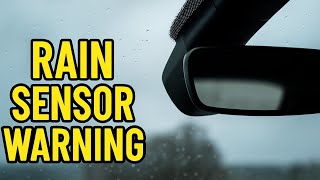
🎬 Watch: How to fix a rain sensor without replacing itProgramming and Calibration Requirements

For the 2014-2016 model years, replacing the rain sensor module (CPLA-17D547-AH) is generally considered a direct swap with no programming required, especially when using a used OEM part with the exact same part number. However, some sources suggest that if the original sensor is reinstalled or if issues persist, calibration with Jaguar-approved diagnostic equipment may be necessary. This is more likely if the module also controls other advanced driver-assistance systems (ADAS). If a new sensor is installed, it may need up to 10 minutes for the gel pad to properly adhere to the glass before switching on the ignition.
Buying a Used Rain Sensor Module
Purchasing a used OEM rain sensor module is a cost-effective way to resolve issues, especially since the failure is often related to the disposable gel pack, not the electronics. Here’s what to look for:
- Verify the Part Number: It is essential to match the part number exactly. For these vehicles, the primary part number is CPLA-17D547-AH. Other compatible numbers from Jaguar Land Rover may exist, but matching is the safest approach.
- Inspect the Lens: Check the clear optical lens on the sensor for any deep scratches, cracks, or signs of heat damage. Minor surface scuffs are usually okay, but any damage to the lens itself is a red flag.
- The Gel Pack Condition: A used module will likely have the old gel pack attached. This pack should always be replaced with a new one during installation. Do not try to reuse an old, dry, or bubbly gel pack. New gel packs are available from various aftermarket suppliers for a low cost.
- Check the Connector: Ensure the electrical connector pins are straight, clean, and free of corrosion.
Choosing a used OEM module over a new aftermarket one is often preferable. OEM units are built to Jaguar's exact specifications for optical clarity and electronic communication, ensuring they work seamlessly with the vehicle's body control module. Aftermarket sensors can sometimes have compatibility or quality issues.
Cost Comparison
| Part | Estimated Cost |
|---|---|
| New OEM (Dealer) | $150 - $250 |
| New Aftermarket | $50 - $100 (Sensor only) |
| Used OEM | $25 - $75 |
| Replacement Gel Pack | $10 - $30 |
| Shop Labor (Replacement) | $75 - $150 |
Frequently Asked Questions (FAQ)
Do I need to program a new or used rain sensor module?
Generally, no. For these specific models, a replacement module with a matching part number (CPLA-17D547-AH) should be plug-and-play. However, some repair literature mentions the possibility of needing calibration with dealer tools if problems persist.
My auto wipers stopped working after a windshield replacement. Is the sensor bad?
Probably not. The issue is most likely with the gel pack that sits between the sensor and the glass. Windshield installers often reuse the old pack or install it incorrectly, creating air bubbles that prevent the sensor from working. Inspect this area first and replace the gel pack before buying a new sensor.
Can I just disable the rain sensor and have normal intermittent wipers?
This is a common question, but unfortunately, it is not a standard option. The wiper stalk is designed to work with the sensor for the 'Auto' setting, and there is no simple way to convert it to a traditional variable intermittent speed control without significant modification.
Where is the rain sensor located and can I replace it myself?
The rain sensor is located on the inside of the windshield, behind the rearview mirror. It is housed in a plastic cover that can usually be unclipped. Replacement is straightforward for a DIYer: unclip the cover, disconnect the electrical plug, release the sensor from its mount, replace the gel pack, and reinstall. The difficulty is low and typically takes less than 30 minutes.
Helpful Videos
Technical Specifications
OEM Part Numbers: CPLA-17D547-AH CPLA17D547AH
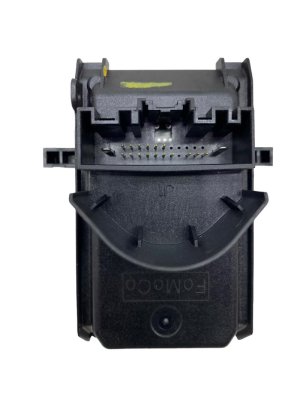
Combined Rain, Light, and sometimes Humidity/Misting Sensor. Communicates with the Body Control Module (BCM) via a LIN bus connection.
We Have This Part in Stock





The information in this article is provided for general reference and educational purposes only. Vehicle specifications, procedures, and part compatibility can vary by production date, trim level, and region. Always consult your vehicle's factory service manual and verify part numbers before purchasing or performing repairs. Safety-critical components such as airbags, seat belts, and braking systems should be installed by a qualified professional.
- Jaguar XF:
- Jaguar XE:
- Jaguar XJ:
- Jaguar F-TYPE: