

2014 Cadillac CTS Radio Amplifier: Solving No-Sound Issues and Programming
This guide covers the essential compatibility checks (UQA/UQS), mandatory programming, and common failure symptoms for your 2014 CTS radio amplifier.
- This amplifier MUST be programmed to your car's VIN by a dealer or properly equipped independent shop to function.
- Compatibility is critical: Your vehicle must have a Bose sound system, identified by RPO code UQA or UQS on the trunk sticker.
- The primary symptom of failure is a complete loss of all audio, including music, navigation, and all safety/system chimes.
- A used OEM amplifier is a cost-effective alternative to an expensive new part, but the programming requirement remains.
Symptoms of a Failing Radio Amplifier
A bad amplifier in a 2014 CTS will typically cause a total loss of audio. Because it controls all sound output, its failure is immediately noticeable. Keep an eye out for these specific symptoms:
- Complete Loss of Sound: The most common symptom is no audio from any speaker. The radio or infotainment screen may appear to function normally, but no sound is produced.
- No Warning Chimes or Clicks: All audible alerts, including turn signal clicks, seatbelt warnings, and door open chimes, will be absent.
- Intermittent Audio: The sound may cut in and out randomly. This can sometimes be triggered by temperature changes or bumps in the road.
- Popping, Crackling, or Static: Loud, unpleasant noises from the speakers, even at low volumes, can indicate an internal failure in the amplifier.
- Distorted Sound: Music and voice may sound fuzzy, muffled, or unclear, which can be a sign of failing electronic components inside the unit.
- Diagnostic Trouble Codes (DTCs): A failed amplifier will often store communication fault codes in the vehicle's other modules. A common code is U0180 (Lost Communication With Audio Amplifier), which indicates the amplifier is no longer communicating on the vehicle's data network.
Known Issues, TSBs, and Recalls
For the 2014 Cadillac CTS, General Motors issued a Preliminary Information bulletin (PIE0348) regarding intermittent loss of audio, chimes, and turn signal sounds. This issue is linked to the premium audio amplifiers with RPO codes UQA or UQS. The bulletin was created for technicians to gather information about vehicles experiencing these symptoms, sometimes after a car wash or rainfall, to help engineers find the root cause. This suggests that in some cases, water intrusion into the trunk area where the amplifier is located could be a potential cause of failure. Another bulletin (PIC6102) is also referenced for diagnosis. There are no specific recalls for the amplifier itself, but various software updates have been released to address audio system glitches.
Important: This amplifier is NOT plug-and-play. It requires programming to function.
Programming and Installation Requirements
Replacing the radio amplifier in a 2014 Cadillac CTS requires a mandatory programming procedure. The amplifier is a security-enabled module that is tied to the vehicle's Vehicle Identification Number (VIN).
- VIN Programming: A new or used replacement amplifier must be programmed to your specific vehicle's VIN. Without this step, the amplifier will not work. This programming is performed using GM's Service Programming System (SPS), which is software used by dealerships and authorized service centers.
- Anti-Theft System: The programming links the amplifier to the car's infotainment and anti-theft systems. This prevents a stolen amplifier from being used in another vehicle.
- Who Can Program It? A GM dealership is the most reliable option. Many independent repair shops that specialize in GM vehicles also have the necessary subscriptions and tools (like an ACDelco TDS account and a compatible J2534 interface) to perform SPS programming. A general locksmith is unlikely to have this capability.
- Installation and Programming Sequence: You can physically install the replacement amplifier yourself to save on labor costs. However, the car must then be taken to a shop for the final programming step. You will have no audio or chimes until the programming is complete.
Buying a Used 2014 CTS Radio Amplifier
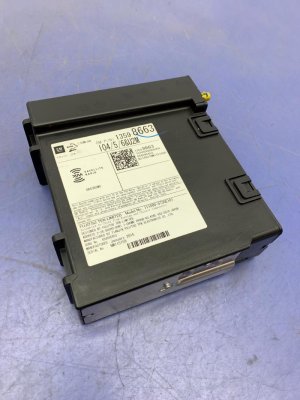
A used OEM amplifier is often the most practical and cost-effective solution. Since aftermarket versions of these complex digital modules are not available, a tested, recycled part offers significant savings over a new one from the dealer.
How to Ensure Compatibility
- Verify Your Sound System: The single most important step is to confirm your car has the Bose sound system. Look for the Service Parts Identification sticker, which is typically located in the trunk, often on the underside of the trunk floor panel or near the spare tire. You must find the code UQA (Bose Premium Audio System) or UQS (Bose Surround Sound System) on this label. If your vehicle does not have one of these codes, this amplifier is not correct for your car.
- Match Part Numbers: While several part numbers may be interchangeable, the safest approach is to match the number on your original amplifier to the replacement unit. Known part numbers include 23182757, 23389906, 23426886, 23495094, 84087761, and 84991355. Later part numbers often represent revisions or updates from the manufacturer.
- Physical Inspection: When buying a used amplifier, inspect the case for dents or signs of being opened. Most importantly, check the electrical connectors for any green or white crusty residue, which indicates corrosion from water damage. Do not buy a unit with corroded pins.
Pro Tip: The amplifier is located in the trunk on the driver's side, behind the carpeted trim panel. Accessing it is straightforward, making the physical swap a good DIY task to save money before taking it for programming.
Cost Comparison
| Part Type | Estimated Cost |
|---|---|
| New OEM | $450 - $600+ |
| New Aftermarket | Not Available |
| Used OEM | $75 - $200 |
| Shop Labor (Installation) | $75 - $150 |
| Shop Labor (Programming) | $100 - $200 |
Frequently Asked Questions (FAQ)
Does the 2014 CTS amplifier have to be programmed?
Yes, absolutely. The amplifier is a VIN-locked module and will not function until it is programmed to your car using specialized GM software. This applies to both new and used replacement units.
Can I install the amplifier myself and then drive it to the dealer?
Yes. You can perform the physical installation yourself to save on labor costs. The car will drive normally, but you will have no audio of any kind—no music, no navigation prompts, and no safety chimes—until the programming is completed by a qualified shop.
What is the difference between the UQA and UQS Bose systems?
Both UQA and UQS are premium Bose systems. Generally, UQS refers to the more advanced surround sound system, which may include additional speakers (like a center channel and subwoofer) and more complex digital signal processing compared to the standard UQA premium system. It is critical to use an amplifier designed for your specific system.
Will an amplifier from a different Cadillac model, like an ATS or SRX, work?
No. While the amplifier might look physically similar, the internal software and digital signal processing are tuned specifically for the acoustics and speaker layout of the 2014 CTS sedan. Using an amplifier from a different model will likely result in it not working at all or having very poor sound quality and incorrect channel mapping.
Technical Specifications
OEM Part Numbers: 23182757 23389906 23426886 23495094 84087761 84991355
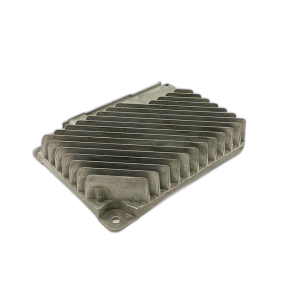
Digital Signal Processing (DSP) Amplifier for Bose UQA or UQS systems. Requires VIN-specific programming via GM Service Programming System (SPS).
We Have This Part in Stock




The information in this article is provided for general reference and educational purposes only. Vehicle specifications, procedures, and part compatibility can vary by production date, trim level, and region. Always consult your vehicle's factory service manual and verify part numbers before purchasing or performing repairs. Safety-critical components such as airbags, seat belts, and braking systems should be installed by a qualified professional.
- Cadillac CTS: