

2001-2003 Toyota RAV4 Radiator: A Guide to Leaks, Overheating, and Replacement
This guide explains the common failure points of the 2001-2003 Toyota RAV4 radiator and how to choose the correct replacement for your specific vehicle configuration.
- The most critical step is verifying compatibility: radiators differ between automatic and manual transmissions.
- The most common failure is cracks in the plastic end tanks, leading to coolant leaks and overheating.
- When replacing the radiator, it is highly recommended to also replace the radiator cap, thermostat, and coolant hoses.
- Use only Toyota Long Life "Red" coolant or a compatible P-OAT coolant for Asian vehicles to prevent system damage.
Symptoms of a Failing Radiator

A failing radiator can lead to serious engine damage if ignored. Watch for these clear warning signs:
- Engine Overheating: This is the most critical symptom. If your dashboard temperature gauge climbs into the red zone, or if you see steam coming from under the hood, pull over immediately once it's safe. Driving with an overheating engine can cause catastrophic damage like a warped cylinder head or blown head gasket.
- Visible Coolant Leaks: Finding puddles of brightly colored fluid (typically pink, red, or green) under the front of your RAV4 is a sure sign of a leak. The most common failure point on these radiators is cracking of the plastic end tanks where they are crimped to the aluminum core.
- Low Coolant Level: If you frequently need to add coolant to the overflow reservoir, you likely have a slow leak somewhere in the system.
- Sweet Smell: The smell of maple syrup or a general sweet odor around the car after it's been running is the distinct scent of burning ethylene glycol (coolant). This indicates an external leak where coolant is dripping onto hot engine components.
- Discolored or Sludgy Coolant: Coolant should be a clean, translucent color. If the fluid in your reservoir looks rusty, brown, or thick like sludge, it indicates internal corrosion in the radiator or the presence of contaminants. This contaminated coolant cannot cool effectively and can clog the system.
- Poor Heater Performance: The car's cabin heater uses the hot engine coolant to generate warm air. If your heater is blowing cold or lukewarm air, it can be a sign of low coolant levels or a clogged radiator preventing proper circulation.
Known Issues, TSBs, and Recalls
As of mid-2026, there are no specific recalls issued by the National Highway Traffic Safety Administration (NHTSA) for the cooling system or radiator on the 2001-2003 Toyota RAV4. Likewise, searches for Technical Service Bulletins (TSBs) did not reveal any specific patterns of manufacturing defects related to the radiator itself for these model years. The most common reported problems are age-related failures, such as cracks in the plastic end tanks and leaks from hardened seals.
Compatibility Warning: The biggest challenge when replacing this radiator is ensuring you get the correct version for your vehicle. There are different radiators for models with Automatic Transmissions versus Manual Transmissions, and further variations for models with or without Air Conditioning. Always verify your vehicle's exact configuration before ordering.
Buying a Used Radiator


A quality used OEM radiator can be a reliable and cost-effective alternative to a new part. Here’s what to look for:
- Verify Compatibility: This is the most important step. A radiator for an automatic transmission has two extra ports for the transmission fluid cooler lines, typically located on the bottom tank. A radiator for a manual transmission will not have these ports. While you can use an automatic radiator in a manual vehicle by simply not connecting the cooler ports, you cannot use a manual radiator in an automatic vehicle without adding a separate, external transmission cooler. It is always best to match the part exactly.
- Inspect the Plastic End Tanks: Carefully check the black plastic tanks on the top and bottom (or sides) of the radiator. Look for hairline cracks, especially around the hose connections and the seams where the plastic meets the aluminum core. This is the most common failure point.
- Check the Fins: A few bent fins are normal and won't affect performance. However, large areas of crushed or corroded fins will reduce the radiator's ability to cool and should be avoided.
- Look for Corrosion: Check for white, chalky corrosion, especially around the seams and fittings. Heavy corrosion is a sign the radiator is nearing the end of its life.
- Signs of Stop-Leak: Look inside the inlet and outlet ports for thick, gummy residue. This indicates a stop-leak additive was used, which may be hiding a more significant leak that could reappear. Avoid radiators with signs of stop-leak.
- Mileage vs. Condition: For a radiator, age and condition are more important than mileage. A 15-year-old radiator with 80,000 miles that has sat in a corrosive environment may be in worse shape than a 10-year-old radiator with 150,000 miles from a dry climate. Focus on the physical inspection.
Replacement Overview & Related Parts

Replacing the radiator on a 2001-2003 RAV4 is a manageable DIY job for someone with basic mechanical skills. The process generally involves draining the cooling system, disconnecting the upper and lower radiator hoses, disconnecting the transmission cooler lines (on automatic models), unplugging the fan sensor, and unbolting the fan shroud and radiator mounts.
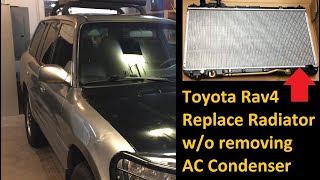
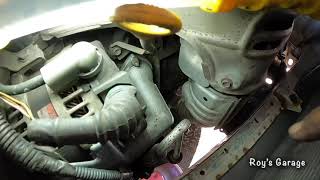
🎬 Watch this step-by-step 2001 RAV4 radiator replacement guidePro Tip: While the radiator is out, it is the perfect time to replace other cooling system components that are inexpensive and wear out over time. To avoid future problems, it is highly recommended to replace the radiator cap, thermostat, and both upper and lower radiator hoses at the same time as the radiator.
Coolant Information
For this generation of RAV4, Toyota specifies the use of its Long Life "Red" coolant. Do not mix this with conventional green or other types of coolant, as it can cause gelling and clog the cooling system. If you are doing a complete flush, you can also use a compatible P-OAT (Phosphated Organic Acid Technology) coolant designed for Asian vehicles.
Cost Comparison
Prices can vary based on brand and location. The following is an estimated cost breakdown:
| Part Type | Estimated Cost |
|---|---|
| New OEM | $290 - $450 |
| New Aftermarket | $65 - $165 |
| Used OEM | $75 - $125 |
| Shop Labor | $432 - $634 |
Frequently Asked Questions (FAQ)
Can I use a radiator from an automatic RAV4 in my manual transmission model?
Yes. The radiator for an automatic has an integrated transmission cooler that you will simply leave disconnected. The main coolant inlet and outlet are the same. However, you cannot do the reverse; a manual-specific radiator lacks the necessary cooler for an automatic transmission.
What type of coolant should I use in my 2001-2003 RAV4?
The factory-specified coolant is Toyota Long Life Coolant (LLC), which is red. If you cannot find the Toyota brand, use a high-quality replacement that is a Phosphated OAT (P-OAT) formula specifically for Asian vehicles. Do not mix different colors or types of coolant.
Is a small coolant leak a big deal?
Yes. Any leak is a problem because the cooling system is pressurized. A small leak will eventually get worse and can lead to a sudden loss of coolant, causing the engine to overheat and leaving you stranded. It's best to address any leak, no matter how small, as soon as possible.
Do I need to bleed the air out of the system after replacing the radiator?
Yes, this is a critical step. Trapped air can cause an air pocket in the system, leading to overheating even with a new radiator. After refilling the system, let the engine run with the heater on high and the radiator cap loose (or using a no-spill funnel) until the thermostat opens and all air bubbles have escaped.
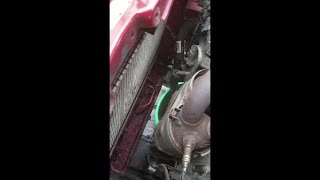
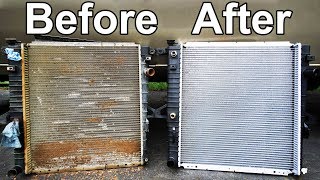
🎬 Watch this complete guide on how to replace a radiatorHelpful Videos
Technical Specifications
OEM Part Numbers: 16400-28130 16400-28131 16400-28140 16400-28160 16400-28170 16400-28171 16400-28180 16400-28190 16400-28191
Fits 2.0L L4 engine. Variations exist for Manual vs. Automatic transmission and with/without Air Conditioning. Radiators for automatic transmissions include an integrated transmission oil cooler.

The information in this article is provided for general reference and educational purposes only. Vehicle specifications, procedures, and part compatibility can vary by production date, trim level, and region. Always consult your vehicle's factory service manual and verify part numbers before purchasing or performing repairs. Safety-critical components such as airbags, seat belts, and braking systems should be installed by a qualified professional.
- Toyota RAV4: