

2001-2003 Toyota Prius Radiators: Engine vs. Inverter Cooler Explained
This first-generation Prius has two separate radiators, and ordering the wrong one is a common and costly mistake.
- The 2001-2003 Prius has TWO separate radiators: a large one for the engine (Part # 16400-21250) and a small one for the hybrid inverter (Part # G9010-47020).
- The main engine radiator is a combined assembly with the A/C condenser, making replacement a job for a professional with A/C service equipment.
- Hybrid warning lights and power loss are usually caused by a failure in the INVERTER cooling system, not the engine radiator. The inverter's water pump is a common failure point.
- When buying a used radiator, carefully inspect the plastic end tanks for cracks or fading, as this is the most common point of failure due to age.
Buyer's Warning: This Prius Has Two Different Radiators

Critical Information: The 2001-2003 Toyota Prius has two separate and non-interchangeable radiators. Before purchasing, you must identify which one you need. One cools the gasoline engine, and the other cools the hybrid system's inverter. They have different part numbers, symptoms of failure, and replacement procedures.
Part 1: The Engine Radiator (16400-21250)

This is the primary radiator responsible for cooling the gasoline engine. In this Prius generation, it is sold as a single assembly combined with the A/C condenser. This means you cannot replace just the radiator or just the condenser; they are a single unit. This design choice makes replacement more complex than on many other vehicles.
Symptoms of a Failing Engine Radiator
- Engine Overheating: The most obvious sign is the engine temperature gauge on the dashboard climbing into the red zone.
- Coolant Leaks: You may find puddles of pink or red, sweet-smelling coolant under the front of the car. Leaks often occur from cracked plastic end tanks or where the core meets the tanks.
- Visible Damage: Bent cooling fins from road debris, white or greenish crusty deposits indicating slow leaks, and cracks in the plastic sections are all signs of a failing radiator.
- Low Coolant Level: Constantly needing to top off the engine's coolant reservoir is a strong indicator of a leak in the system.
- Heater Problems: An engine cooling system with air in it (from a leak) can cause the cabin heater to blow lukewarm air, especially when going up hills.
Part 2: The Inverter Radiator / Cooler (G9010-47020)

This smaller radiator is dedicated solely to the hybrid system's inverter. The inverter generates a significant amount of heat while managing the flow of high-voltage electricity. Failure of this cooling system can lead to very expensive damage to the hybrid components.
Symptoms of a Failing Inverter Radiator or Pump
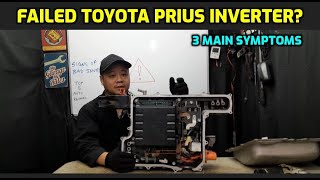
🎬 Watch: Overview of bad inverter symptoms and warningsThe inverter cooling system consists of the radiator (cooler), an electric water pump, and its own coolant reservoir. A failure in any of these components will lead to inverter overheating.
- Hybrid System Warning Lights: The "red triangle of death" or a specific hybrid system warning light on the dash is a primary indicator of a problem.
- Reduced Power or "Limp Mode": The vehicle may suddenly lose power and feel very sluggish as the system protects the overheating inverter.
- Vehicle Shutdown: In severe cases, the car may shut down completely to prevent catastrophic damage to the inverter.
- Strange Noises: A buzzing or whining sound from under the hood can indicate a failing inverter water pump, which is a common issue.
- No Coolant Flow: When the car is in the "ON" position (not necessarily with the engine running), you should be able to see coolant circulating in the small, clear inverter coolant reservoir. If there is no movement, the inverter water pump has likely failed.
Pro Tip: The electric water pump for the inverter cooling system is a very common failure point on Priuses of this era. If you are experiencing inverter overheating symptoms, check for coolant flow in the reservoir first. The pump (Part No. G9020-47022) is often the culprit, not the inverter radiator itself.
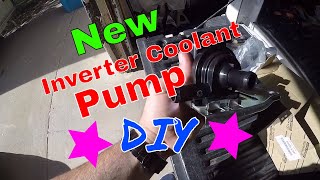
🎬 Watch: DIY inverter coolant pump replacement on a Gen 1 PriusBuying a Used 2001-2003 Prius Radiator

Buying a used radiator can be a smart way to save money, but careful inspection is key. Given the age of these vehicles, many original radiators are at the end of their service life.
Physical Inspection Checklist
- Confirm the Part: First, double-check the part number to ensure you are buying the correct radiator (Engine vs. Inverter).
- Check Plastic End Tanks: This is the most common failure point. Inspect the black plastic tanks on the top/bottom or sides for any hairline cracks, chalky appearance, or discoloration. They should be a healthy, deep black, not faded gray.
- Look for Leak Residue: Examine the seams where the aluminum core meets the plastic tanks. Any white, green, or pink crust is a definite sign of a past or present leak.
- Inspect the Fins: A few bent fins are normal, but large areas of crushed fins will reduce cooling efficiency. Ensure there are no signs of physical impact or punctures.
- Check All Connections: All hose necks and mounting points should be intact and free of cracks. For the engine radiator, pay close attention to the A/C line fittings to ensure they are not damaged.
Mileage and Age Considerations
For a part like a radiator, age is as critical as mileage. The plastic and rubber components degrade over time due to constant heat cycles. A radiator from a 20-year-old car, regardless of mileage, is a risk. If possible, choose a part from the newest, lowest-mileage vehicle available. A radiator with over 150,000 miles is likely living on borrowed time.
Replacement Overview and Costs
The cost and difficulty of replacement vary significantly between the two radiators.
Warning: The engine radiator (16400-21250) is a combined unit with the A/C condenser. Replacement requires a professional shop to safely evacuate the A/C system's refrigerant before work begins and recharge it after. This is not a simple DIY job without specialized equipment.
The inverter radiator is a more straightforward replacement, but the cooling system must be properly bled of air afterward to prevent the new pump from running dry or the inverter from overheating. This involves a specific procedure of running the pump in short bursts while adding coolant.
| Part | New OEM Price | New Aftermarket Price | Used OEM Price | Shop Labor Cost |
|---|---|---|---|---|
| Engine Radiator Assembly | $240 - $355 | $150 - $350 | $75 - $150 | $413 - $606 (includes A/C service) |
| Inverter Radiator/Cooler | Discontinued | $100 - $200 | $50 - $125 | $150 - $250 |
Known Issues, Recalls, and TSBs
There are no specific recalls or Technical Service Bulletins (TSBs) for the radiators on the 2001-2003 Toyota Prius. However, there were several recalls for this vehicle, including for issues with the electric power steering and crankshaft position sensor. A service campaign was issued for the inverter coolant pump on later generation Prius models (2004-2007) for a design that could allow air into the system, but this did not officially cover the 2001-2003 models.
Frequently Asked Questions (FAQ)
How do I know which radiator I need for my 2002 Prius?
First, identify your symptoms. If your engine temperature gauge is high, you likely need the main Engine Radiator (16400-21250). If you have hybrid system warning lights or the car is losing power, the problem is in the inverter cooling system, which uses the Inverter Radiator (G9010-47020). Always verify by checking the part number on your existing part if possible.
What kind of coolant does the 2001-2003 Prius use?
Both the engine and inverter cooling systems should use Toyota Super Long Life Coolant (SLLC), which is pink. Do not mix other types or colors of coolant. Using the correct fluid is critical for the longevity of the water pumps and other components.
Can I just replace the radiator without the A/C condenser?
No. For the main engine cooling system on this model, the radiator and A/C condenser are manufactured as a single, inseparable assembly (Part No. 16400-21250). You must replace the entire unit.
How do I bleed the air from the inverter cooling system after replacement?
The system has a bleeder valve. The general process involves filling the reservoir, opening the bleeder, turning the car to the "ON" position (without starting the engine) for short intervals (5-20 seconds) to run the electric pump, and repeating until a solid stream of coolant comes from the bleeder and the pump runs quietly. It's a crucial step to prevent damage.
🎬 Watch: How to bleed air from the inverter coolant systemHelpful Videos
Technical Specifications
OEM Part Numbers: 16400-21250 1640021250 G9010-47020 G901047020
Engine Radiator (16400-21250) is a combined assembly with the A/C condenser. Inverter Radiator (G9010-47020) is a smaller, separate unit, often sold with its fan assembly.

The information in this article is provided for general reference and educational purposes only. Vehicle specifications, procedures, and part compatibility can vary by production date, trim level, and region. Always consult your vehicle's factory service manual and verify part numbers before purchasing or performing repairs. Safety-critical components such as airbags, seat belts, and braking systems should be installed by a qualified professional.
- Toyota Prius:
- 🎬 Helpful Videos
- Buyer's Warning: This Prius Has Two Different Radiators
- Part 1: The Engine Radiator (16400-21250)
- Symptoms of a Failing Engine Radiator
- Part 2: The Inverter Radiator / Cooler (G9010-47020)
- Symptoms of a Failing Inverter Radiator or Pump
- Buying a Used 2001-2003 Prius Radiator
- Physical Inspection Checklist
- Mileage and Age Considerations
- Replacement Overview and Costs
- Known Issues, Recalls, and TSBs
- Frequently Asked Questions (FAQ)
- 🎟️ Get 5% Off