

2000-2004 Legacy & 2003-2006 Baja Radiator: Cracked End Tanks and AT Cooler Failure
This guide covers the common failure points, especially cracked plastic end tanks and automatic transmission cooler leaks, for radiators in the Subaru Legacy and Baja.
- The most common failure is the plastic end tanks cracking, causing coolant leaks and overheating.
- Automatic transmission models have an internal cooler that can fail, mixing coolant and ATF (the 'Strawberry Milkshake of Death'), which destroys the transmission.
- You MUST buy the correct radiator for your transmission type (Automatic vs. Manual).
- After replacement, properly bleeding all air from the cooling system is critical to prevent overheating.
Key Failure Points and Symptoms


When the radiator on a 2000-2004 Subaru Legacy or 2003-2006 Subaru Baja fails, it typically happens in one of two ways. Understanding these symptoms is key to diagnosing the problem before it causes severe engine damage.
1. Cracked Plastic End Tanks
The most common failure on these models is the development of cracks in the plastic end tanks, particularly where they are crimped to the aluminum core. Over years of heat cycles, the plastic becomes brittle and can no longer withstand the pressure of the cooling system.
- Engine Overheating: This is the most serious symptom. If you see the temperature gauge climbing into the red, pull over immediately to prevent engine damage like a blown head gasket.
- Visible Coolant Leaks: You may see green or blue coolant dripping or puddling under the front of the car, especially after it has been parked.
- Low Coolant Level: A slow leak might not leave a puddle, but you'll notice the coolant level in the overflow reservoir is consistently low.
- Sweet Smell: The smell of hot antifreeze is a tell-tale sign of a coolant leak. You'll likely notice it around the front of the car after driving.
- Stains on the Radiator: Look for white or discolored stains on the black plastic end tanks or where they meet the aluminum fins. This is residue from coolant that has leaked and evaporated.
Warning: Never open the radiator cap when the engine is hot. The system is under pressure and can spray boiling coolant, causing severe burns.
2. Internal Transmission Cooler Failure (Automatic Models Only)
For automatic transmission (AT) versions of the Legacy and Baja, a catastrophic failure can occur inside the radiator. The built-in transmission fluid cooler can rupture, allowing coolant and automatic transmission fluid (ATF) to mix. This is commonly known as the "Strawberry Milkshake of Death" (SMOD).
- "Strawberry Milkshake" Fluid: If you check your coolant (when the engine is cold) and find a thick, pink, frothy substance under the radiator cap, this is a definitive sign of SMOD.
- Transmission Problems: The contaminated fluid will quickly destroy the transmission, causing slipping, hard shifting, or a complete failure to engage gears.
- Coolant in Transmission: Checking the transmission dipstick may also reveal the same pink, milky fluid.
If you suspect SMOD, do not drive the vehicle. The transmission has likely already suffered serious damage and continuing to run the engine will only make it worse.
Vehicle and Part Variations

It is absolutely critical to buy the correct radiator for your specific vehicle configuration. The main differences are between transmission type and engine size.
- Automatic Transmission (AT): These radiators have two small hose fittings on the bottom tank for the transmission fluid cooler lines. Part numbers often associated with AT models include 45111AE00A.
- Manual Transmission (MT): These radiators do NOT have the transmission cooler fittings on the bottom tank. Part numbers for MT models include 45111AE01A.
- 3.0L H6 Engine: The 6-cylinder models use a different radiator than the 2.5L 4-cylinder engines. Verify engine size before purchasing.
Pro Tip: While some suggest you can use an AT radiator on an MT vehicle by simply capping the unused cooler ports, it is always best to use the correct part designed for your vehicle to ensure proper fit and function.
Buying a Used Radiator

A high-quality, low-mileage used OEM radiator can be a reliable and cost-effective alternative to a new part, especially when compared to cheap aftermarket options which may have issues with fitment or cooling efficiency. Here’s what to inspect:
- Inspect the Plastic End Tanks: This is the most important check. Look for hairline cracks, especially along the crimp seams where the plastic meets the aluminum. Pay close attention to the top tank, as it often fails first.
- Check the Fins: Ensure the aluminum fins are straight and not clogged with debris. A few bent fins are okay, but large areas of crushed fins will reduce cooling performance.
- Examine Hose Connections: Check the inlet and outlet necks for cracks or damage. They should be smooth and solid.
- Check AT Cooler Fittings: On a radiator for an automatic, inspect the transmission cooler fittings. Ensure the threads are not stripped and there are no signs of cross-threading or damage.
- Look for Stop-Leak Residue: Look inside the inlet/outlet for a gummy, metallic, or flaky residue. This indicates the previous owner used a stop-leak additive, which is a major red flag. Avoid any radiator that shows signs of this.
- Mileage: While there's no exact mileage for failure, radiators from vehicles with over 150,000 miles are at higher risk. A part from a lower-mileage vehicle is always a safer bet.
Recalls and Technical Service Bulletins (TSBs)
While there are no specific recalls or TSBs from Subaru for radiator failure on these models, the issue of cracking plastic end tanks is a widely acknowledged problem among owners and mechanics. The 2000-2004 Legacy and 2003-2006 Baja were subject to several recalls for Takata airbag inflators, which are unrelated to the cooling system but important for owners to be aware of.
Replacement Overview
Replacing the radiator is a manageable DIY job for someone with basic mechanical skills. The estimated time is around 2-3 hours.
- Drain the coolant using the petcock at the bottom of the radiator.
- Remove the upper and lower radiator hoses, and the transmission cooler lines if you have an automatic transmission.
- Disconnect the electrical connectors for the cooling fans and unbolt the fan shroud from the radiator (typically four 10mm bolts).
- Unbolt the two top radiator brackets (typically two 12mm bolts).
- Lift the radiator and fan assembly out of the vehicle. Transfer the fans to the new radiator.
- Installation is the reverse of removal.
Crucial Step: Bleeding the Cooling System
Subaru engines are prone to trapping air in the cooling system, which will cause overheating even with a new radiator. Proper bleeding is essential.
- Use a spill-free funnel that seals to the radiator neck.
- Jack up the front of the car to help air rise to the radiator.
- Fill the system through the funnel, turn the heater to full hot, and run the engine.
- Let the engine warm up until the thermostat opens and the fans cycle. Squeeze the upper radiator hose to help burp air bubbles out.
- Let the car cool down completely overnight and re-check the coolant level.
Related Parts to Replace
When replacing the radiator, it's a good practice to replace other cooling system components that are the same age and have been subjected to the same conditions.
- Radiator Cap: A new cap ensures the system holds the correct pressure.
- Thermostat and Gasket: A stuck thermostat can cause overheating. Access is easier with the coolant drained.
- Upper and Lower Radiator Hoses: Old hoses can become soft, brittle, or swollen and are a common source of leaks.
- Coolant: Always refill with fresh, Subaru-approved coolant. Older models typically use green coolant.
Cost Comparison
| Part Type | Estimated Cost |
|---|---|
| New OEM | $230 - $350 |
| New Aftermarket | $70 - $250 |
| Used OEM | $50 - $125 |
| Shop Labor | $250 - $550 |
Frequently Asked Questions (FAQ)
Can I use a radiator for an automatic transmission in my manual transmission car?
Yes, it is physically possible by leaving the transmission cooler ports on the bottom of the radiator disconnected and capped. However, it is always recommended to use the correct part for your vehicle to ensure perfect fitment and avoid potential issues.
What is the "Strawberry Milkshake of Death"?
This refers to the mixing of red automatic transmission fluid (ATF) and engine coolant, which creates a pink, milky substance. It happens when the transmission cooler inside the bottom tank of the radiator fails on automatic models, leading to catastrophic transmission damage. If you see this, do not drive the car.
What kind of coolant should I use in my Legacy or Baja?
For these model years, you should typically use Subaru Long Life Coolant (green). Using the wrong type of coolant can lead to corrosion and damage to cooling system components. Always check your owner's manual or a reliable source to confirm the correct coolant type.
Why did my radiator crack at the top?
The plastic end tanks, especially the top one which is exposed to the hottest coolant directly from the engine, become brittle over time from constant heat and pressure changes. This is the most common failure mode for the original radiators in these vehicles.
Technical Specifications
OEM Part Numbers: 1R2874 45111AE001 45111AE00A 45111AE010 45111AE01A 45111AE060 45111AE06A 45119AE003 45119AE00A 45199FC340
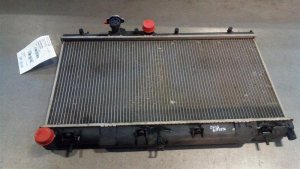
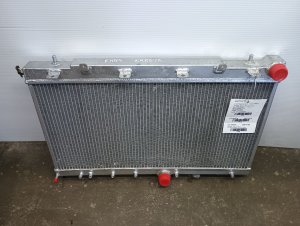
Core Material: Aluminum. Tank Material: Plastic. Radiators for automatic transmission models include an integrated transmission oil cooler in the bottom tank.
We Have This Part in Stock


The information in this article is provided for general reference and educational purposes only. Vehicle specifications, procedures, and part compatibility can vary by production date, trim level, and region. Always consult your vehicle's factory service manual and verify part numbers before purchasing or performing repairs. Safety-critical components such as airbags, seat belts, and braking systems should be installed by a qualified professional.
- Subaru Legacy:
- Subaru Baja:
- 🛍️ Shop This Part
- Key Failure Points and Symptoms
- 1. Cracked Plastic End Tanks
- 2. Internal Transmission Cooler Failure (Automatic Models Only)
- Vehicle and Part Variations
- Buying a Used Radiator
- Recalls and Technical Service Bulletins (TSBs)
- Replacement Overview
- Crucial Step: Bleeding the Cooling System
- Related Parts to Replace
- Cost Comparison
- Frequently Asked Questions (FAQ)
- 🎟️ Get 5% Off