

2010-2015 Lexus RX350 Radiator: Decoding Tow Package vs. Standard Models
This guide clarifies the critical differences between radiator types for the RX350 and covers common failure symptoms, replacement costs, and inspection tips for used parts.
- You must verify if your RX350 has the factory tow package, as the standard and heavy-duty radiators are different and not directly interchangeable.
- The most common failure is a leak from the seams where the plastic end tanks are crimped to the aluminum core, or cracks in the plastic itself.
- When replacing the radiator, you should also replace the radiator cap, upper and lower hoses, and the thermostat to prevent future failures.
- Only use Toyota Super Long Life (pink) 50/50 pre-mixed coolant and ensure the system is properly bled of air after refilling to avoid overheating.
Symptoms of a Failing RX350 Radiator

A failing radiator gives several clear warning signs. Ignoring them can lead to catastrophic engine failure, so it's important to address them immediately.
Engine Overheating
The most obvious symptom is an engine temperature gauge climbing into the red zone. An overheating engine can also trigger a warning light on your dashboard. If you see steam coming from under the hood, pull over immediately once it is safe to do so and turn off the engine to prevent permanent damage.
Visible Coolant Leaks
Puddles of pink, red, or orange fluid under the front of your vehicle are a sure sign of a coolant leak. On the RX350, leaks commonly occur where the plastic end tanks are crimped onto the aluminum core, or from cracks in the plastic itself, especially around the radiator neck where the cap sits. Check all hose connections as well, as they can become loose over time.
Sweet Smell
Engine coolant (antifreeze) has a distinct, sweet smell. If you notice this odor coming from your engine bay, especially when the engine is warm, it's a strong indicator of a coolant leak, even if you can't see it.
Low Coolant Level
If you frequently have to add coolant to the reservoir, you have a leak somewhere in the system. A failing radiator is a common cause. A faulty radiator cap can also cause coolant to escape, so it's worth inspecting.
Discolored or Rusty Coolant
The coolant in your RX350 should be bright pink. If you check the reservoir and the fluid looks rusty, brown, or has debris in it, this indicates internal corrosion within the cooling system. This sediment can clog the narrow passages in the radiator, reducing its efficiency and leading to overheating.
Warning: Never attempt to open the radiator cap when the engine is hot. The cooling system is under pressure, and opening the cap can cause scalding hot coolant to erupt, leading to serious burns.
Known Issues, TSBs, and Recalls

As of this writing, there are no specific recalls issued by the National Highway Traffic Safety Administration (NHTSA) for the radiator on the 2010-2015 Lexus RX350. However, Lexus has issued a Technical Service Bulletin (TSB), L-SB-0002-20 Rev, which provides guidance for technicians on how to distinguish between a minor fluid "seep" and a more serious fluid "leak" from powertrain components, which can be relevant when diagnosing a potential radiator issue. Most radiator failures are due to age, corrosion, or physical damage rather than a specific manufacturing defect.
Confirming Your RX350's Radiator Type: Tow Package vs. Standard

One of the most critical steps when replacing the radiator on a 2010-2015 RX350 is identifying whether your vehicle is equipped with the factory Towing Prep Package. The radiators for standard models and tow package models are different and not directly interchangeable.
- Tow Package Radiator: Vehicles with the tow package have a heavy-duty radiator that includes an integrated transmission fluid cooler. You can identify this by looking for two additional small-diameter metal lines connected to the bottom of the radiator, which carry transmission fluid to be cooled. 🎬 Watch this step-by-step video on replacing oil cooler lines and the radiator.
- Standard Radiator: The standard radiator does not have the integrated transmission cooler and will be missing the connection ports for these extra lines.
Visually inspecting the bottom of your existing radiator for these transmission cooler lines is the most reliable way to confirm which type you need. The factory tow package also included a heavy-duty alternator.
Build Location: Japan vs. North America
The 2010-2015 RX350 was assembled in both Kyushu, Japan, and Cambridge, Ontario, Canada. You can determine your vehicle's build location by checking the first character of the Vehicle Identification Number (VIN). A 'J' indicates a Japan-built vehicle, while a '2' indicates a Canada-built vehicle. While many parts are the same regardless of build location, some part numbers for radiators can differ. It is always best to verify compatibility using your VIN when ordering a replacement part.
Pro Tip: Even if you never plan to tow, a vehicle with the tow package benefits from the heavy-duty radiator and alternator, which can contribute to the longevity of the engine and transmission.
Buying a Used 2010-2015 RX350 Radiator: What to Look For
A quality used OEM radiator can be a smart, cost-effective choice, often providing better fit and performance than a cheap aftermarket alternative. Here’s what to inspect:
- Check the Plastic End Tanks: This is the most common failure point. Carefully inspect the black plastic tanks on the sides (or top and bottom) of the radiator. Look for any hairline cracks, chalky discoloration, or signs of weeping/staining, especially around the hose connections and the radiator cap neck.
- Inspect the Core and Fins: Look down the fins of the aluminum core. A few bent fins from road debris are normal and won't affect performance, but large areas of crushed or damaged fins will restrict airflow and reduce cooling ability. Check for white, crusty deposits, which indicate past leaks.
- Verify Compatibility: Double-check whether the used radiator is for a tow package or standard model. Count the ports on the bottom. A tow package radiator will have extra ports for the transmission cooler lines.
- Mileage and Age: Radiators are wear-and-tear items. A part from a lower-mileage, newer vehicle is always preferable. Radiators on the RX350 typically begin to show signs of failure after 8-10 years or over 100,000 miles. A used radiator from a 60,000-mile vehicle is a much safer bet than one from a 160,000-mile vehicle.
- OEM vs. Aftermarket: Used OEM radiators from brands like Denso or Koyo (who are often the original suppliers to Lexus) are generally preferred. They are designed to fit perfectly, with all mounting tabs and hose connections in the exact right place. Cheap aftermarket radiators can have issues with fitment that complicate installation.
Cost of Replacing a 2010-2015 Lexus RX350 Radiator
The cost can vary significantly based on the part source and who performs the labor. Here is a general cost breakdown:
| Part/Service | Estimated Cost |
|---|---|
| New OEM Radiator | $265 - $400 |
| New Aftermarket Radiator | $100 - $200 |
| Used OEM Radiator | $75 - $150 |
| Shop Labor | $380 - $600 |
| Total Professional Replacement | $920 - $1,260 |
Related Parts to Replace With Your Radiator

When replacing the radiator, it is highly recommended to replace several related, inexpensive components at the same time. This is cost-effective as the system is already drained and disassembled.
- Radiator Cap: A faulty cap can fail to hold pressure, lowering the boiling point of the coolant and causing overheating. Always install a new one.
- Upper and Lower Radiator Hoses: These rubber hoses become brittle and weak over time. Replacing them is cheap insurance against a future failure.
- Thermostat: This small valve regulates coolant flow. If it gets stuck closed, the engine will quickly overheat.
- Engine Coolant: The system must be refilled with the correct type of coolant. The 2010-2015 RX350 requires Toyota Super Long Life Antifreeze/Coolant (pink, pre-mixed 50/50).
Installation Tips and Procedures
Replacing the radiator on an RX350 is a feasible DIY job for someone with moderate mechanical experience. The basic steps involve draining the coolant, removing plastic covers, disconnecting hoses and electrical connectors for the fans, unbolting the fan shroud, detaching the A/C condenser, and finally unbolting and removing the radiator itself.
🎬 See this complete walkthrough on replacing the RX350 V6 radiator.Crucial Step: Bleeding the System. After refilling with new coolant, you must properly "bleed" the cooling system to remove any trapped air pockets. Air in the system can cause overheating and a lack of heat from the vents. Using a spill-free funnel kit makes this process much easier. To bleed the system, attach the funnel to the radiator neck, fill it partially with coolant, and run the engine with the heater on high until the thermostat opens and all air bubbles have escaped.
Frequently Asked Questions (FAQ)
What type of coolant does a 2010-2015 Lexus RX350 use?
It uses Toyota Super Long Life Antifreeze/Coolant, which is pink in color and comes pre-diluted 50/50 with water. Do not use other colors or types of coolant, as they can cause corrosion or damage to cooling system components.
Can I use a tow package radiator on a non-tow package RX350?
Yes, it is generally possible. You would simply leave the extra ports for the transmission cooler uncapped and unused. However, it is always best to use the exact correct part for your vehicle to ensure proper fit and function without modification.
How do I know if my RX350 has the factory tow package?
Look at the bottom of your radiator. If you see two small metal lines in addition to the large upper and lower radiator hoses, you have the tow package radiator with its integrated transmission cooler. Standard models will not have these extra lines.
Is a small radiator leak a big deal?
Yes. Any leak in the cooling system is a serious issue. A small leak will inevitably get worse, leading to a loss of coolant that can cause your engine to overheat suddenly, potentially leaving you stranded and facing major engine repairs.
Helpful Videos

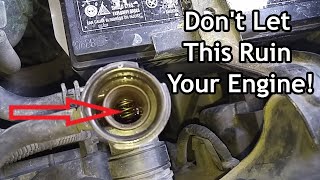
Technical Specifications
OEM Part Numbers: 16041-0P210 16041-0P211 16041-0P220 16041-0P221 16041-31610 16041-31611 16041-31620 16041-0P260
Core Material: Aluminum, Tank Material: Plastic. Requires Toyota Super Long Life (Pink) 50/50 Pre-mixed Coolant.
We Have This Part in Stock


The information in this article is provided for general reference and educational purposes only. Vehicle specifications, procedures, and part compatibility can vary by production date, trim level, and region. Always consult your vehicle's factory service manual and verify part numbers before purchasing or performing repairs. Safety-critical components such as airbags, seat belts, and braking systems should be installed by a qualified professional.
- Lexus RX350:
- 🎬 Helpful Videos
- 🛍️ Shop This Part
- Symptoms of a Failing RX350 Radiator
- Engine Overheating
- Visible Coolant Leaks
- Sweet Smell
- Low Coolant Level
- Discolored or Rusty Coolant
- Known Issues, TSBs, and Recalls
- Confirming Your RX350's Radiator Type: Tow Package vs. Standard
- Build Location: Japan vs. North America
- Buying a Used 2010-2015 RX350 Radiator: What to Look For
- Cost of Replacing a 2010-2015 Lexus RX350 Radiator
- Related Parts to Replace With Your Radiator
- Installation Tips and Procedures
- Frequently Asked Questions (FAQ)
- 🎟️ Get 5% Off