

2017-2026 Model 3 & 2020-2025 Model Y Radiator: Leaks, Heat Pumps, and Part Variations
Learn to diagnose a failing radiator in your Tesla and navigate the critical part differences between model years to ensure you buy the right replacement.
- Compatibility is critical: Radiators differ significantly between early models (2017-2020) with PTC heaters and later models (2021+) with heat pumps.
- The 2024+ 'Highland' Model 3 uses unique parts that are not backward compatible.
- A coolant leak is a critical issue that can lead to catastrophic battery or drive unit failure; do not drive the vehicle if you see an active leak.
- After replacement, a specific coolant vacuum fill and air purge procedure using the vehicle's Service Mode is mandatory to prevent overheating.
Key Compatibility Warnings

Before purchasing a radiator for your 2017-2026 Tesla Model 3 or 2020-2025 Tesla Model Y, it is crucial to understand the significant variations that exist. Buying the wrong part is a common and costly mistake. Always verify compatibility by matching your original part number and visually comparing the replacement part to your old one.
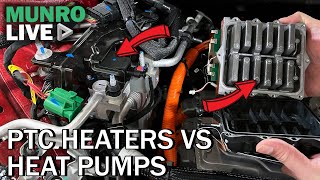
Warning: Fitment varies significantly based on the vehicle's heating system. Models from 2017-2020 typically use a Positive Temperature Coefficient (PTC) resistive heater. Models from 2021 and newer are equipped with a more efficient heat pump system. These systems use different radiator and condenser assemblies. A part for a heat pump vehicle will not work on a PTC-equipped vehicle, and vice-versa.
🎬 Watch: PTC vs Heat Pump systems explainedWarning: The 2024 Model 3 refresh, known as 'Highland', introduced body style and component changes. Radiators and related parts for the 'Highland' generation are not backward compatible with 2017-2023 models. Always confirm the part is specified for the 'Highland' body style if you have a 2024 or newer Model 3.
Warning: Cooling system components may differ between All-Wheel Drive (AWD) and Rear-Wheel Drive (RWD) models. Verify your vehicle's drivetrain configuration before purchasing to ensure correct fitment.
Symptoms of a Failing Radiator

A failing radiator can lead to serious and expensive damage to the battery and drive unit. Pay close attention to these warning signs.
1. Coolant Leaks
The most obvious sign of a radiator problem is a coolant leak. You may notice a puddle of pink or blue, sweet-smelling liquid under the front of your car. The coolant, often a G-48 formula, is vital for the thermal management system. Any leak, no matter how small, should be addressed immediately. Check around the radiator end tanks and hose connections for white or colored crusty residue, which indicates a slow leak that has dried.
2. Overheating Warnings on the Touchscreen
Your Tesla constantly monitors its component temperatures. If the radiator is clogged, leaking, or the fan is not working, the system can't cool itself effectively. This will trigger warnings on the center display, such as "Pull over safely" or "Vehicle may not restart." The vehicle may also enter a reduced power mode to protect the battery and drive unit from damage.
3. Poor Cabin Heating or Cooling
The radiator is integrated with the cabin climate control system, especially in vehicles with a heat pump. If the radiator is not functioning correctly, you may experience poor air conditioning performance in the summer or inadequate heating in the winter. This can be one of the first noticeable symptoms, even before an overheating warning appears.
4. Gurgling Noises
Air entering the cooling system through a leak can cause gurgling or bubbling sounds, which may be audible from the front of the vehicle, especially when the thermal management system is active (e.g., during Supercharging or preconditioning). This indicates that the system is not properly filled and bled, often due to a leak.
Buying a Used Radiator: What to Look For

A used OEM radiator can be a cost-effective and reliable alternative to a new part, provided you inspect it carefully. Given the complexity and variations, buying used OEM is often preferable to new aftermarket parts which may not meet Tesla's precise specifications.
Physical Inspection Checklist:
- Check for Bent Fins: Minor fin damage from road debris is normal, but large areas of flattened fins will reduce cooling efficiency. Avoid radiators with significant physical damage.
- Inspect for Leaks: Look for any signs of past leaks, such as white, pink, or blue chalky residue, especially around the seams where the plastic end tanks meet the aluminum core.
- Examine Mounting Points: Carefully check all mounting tabs and brackets. These are often plastic and can be broken during removal from the donor vehicle. A broken tab can prevent the radiator from being secured properly, leading to vibrations and future leaks.
- Check Hose Connections: Ensure the inlet and outlet ports are not cracked, warped, or damaged. The connections should be clean and round to ensure a proper seal with the coolant hoses.
Compatibility Verification:
- Match the Part Number: This is the most critical step. Match the OEM part number from your original radiator to the used part you are considering. There are many part number variations for this component.
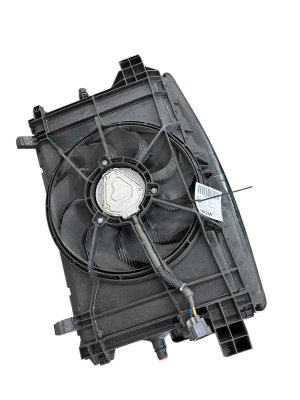
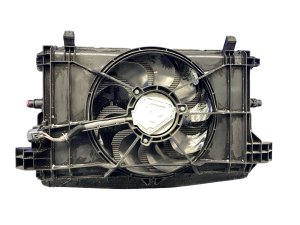
- Visual Comparison: Before purchasing, compare high-resolution photos of the used part to your original. Pay close attention to the location of mounting tabs, hose connections, and any sensor ports. This is especially important due to the PTC vs. Heat Pump and pre- vs. post-refresh differences.
Mileage and Age:
For a radiator, physical condition is far more important than mileage. A part from a low-mileage vehicle can be damaged by a front-end collision or road debris, while a high-mileage part that is clean and undamaged can be a perfectly good replacement. Focus on a thorough physical inspection rather than the mileage of the donor car.
Known Issues, Recalls, and TSBs
While there are no widespread recalls specifically for radiator leaks on the Model 3 and Model Y, the thermal management system has been the subject of some service actions.
Heat Pump Software Recall (NHTSA ID 22V-050)
Some 2020-2022 Model Y and 2021-2022 Model 3 vehicles equipped with a heat pump were recalled for a software issue. A software error could cause a valve to open unintentionally, trapping refrigerant and leading to a loss of cabin heating and defrosting performance in very cold weather. This issue was resolved with an over-the-air (OTA) software update (firmware release 2021.44.30.7 and later) and does not require a hardware replacement.
Infotainment CPU Overheating (NHTSA ID 22V-296)
Certain 2022 Model 3 and Y vehicles were recalled because the infotainment CPU could overheat during fast charging, causing the center screen to lag or go blank. While not a direct radiator failure, this highlights the importance of the vehicle's overall thermal management, which the radiator is a part of. This was also fixed with an OTA software update.
Replacement Procedure Overview

Replacing the radiator on a Model 3 or Model Y is a moderately difficult job that is feasible for an experienced DIY mechanic. The process involves removing the front bumper cover and underbody shields to access the cooling module.
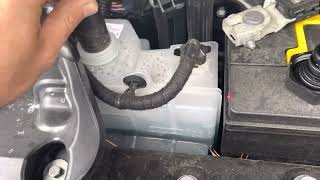
Pro Tip: After replacing the radiator, the cooling system must be properly refilled and air-purged. Tesla uses a specific vacuum-fill procedure that is activated through the vehicle's Service Mode on the touchscreen. Skipping this step 🎬 Watch: How to bleed the cooling system will leave air trapped in the system, leading to overheating and potential damage to the battery or drive unit.
Key Steps:
- Disconnect 12V power.
- Remove the front underhood storage unit (frunk).
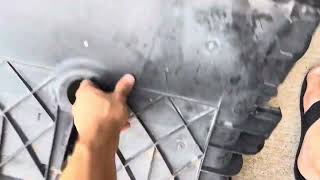
- Remove the front bumper fascia assembly. 🎬 See this step-by-step bumper removal guide
- Drain the cooling system.
- Disconnect coolant hoses and electrical connectors from the radiator and fan assembly.
- Remove the cooling fan module and separate the radiator.
- Installation is the reverse of removal. Pay close attention to torque specs for fasteners. For example, the screws attaching the radiator to the condenser fan module are typically torqued to 10 Nm (7.4 lb-ft).
- Perform the coolant vacuum refill and air purge procedure using Service Mode.
Cost Comparison
The cost to replace a radiator can vary significantly based on the part source and labor rates.
| Part Type | Estimated Cost |
|---|---|
| New OEM | $250 - $450 |
| New Aftermarket | $150 - $250 |
| Used OEM | $100 - $225 |
| Shop Labor | $450 - $900+ |
Frequently Asked Questions (FAQ)
Do I need to replace any other parts with the radiator?
It is good practice to inspect the coolant hoses for any signs of swelling, cracking, or softening. If they are not perfectly supple, it is wise to replace them at the same time. Always use new coolant that meets Tesla's specifications (typically G-48 ethylene glycol based coolant).
Can I use universal coolant in my Tesla?
No. You must use the specific coolant type recommended by Tesla. Using the wrong coolant can cause corrosion and damage to the sensitive components of the battery and electronics cooling loops, leading to very expensive repairs.
What is the difference between a radiator and a condenser?
The radiator and A/C condenser are separate components but are usually mounted together in a single assembly at the front of the vehicle. The radiator cools the liquid coolant for the battery and motors, while the condenser cools the gaseous refrigerant for the air conditioning system. They often look similar, but they serve different systems and are not interchangeable.
Will a clogged radiator affect my charging speed?
Yes. During fast charging (especially at a Supercharger), the battery generates a significant amount of heat. The thermal management system must be able to dissipate this heat effectively. If the radiator is clogged or inefficient, the system will automatically slow down the charging speed to prevent the battery from overheating.
Helpful Videos

Technical Specifications
OEM Part Numbers: 1077082-00-C 1077083-00-B 1077084-00-E 1103545 1103545-00-A 1103545-00-B 1493995-00-C 149417500A 1494175-00-A 1547595-98-E 1547595-A2-F 1559787-00-A 1607808-00-A
Coolant Type: Ethylene glycol-based G-48 (blue or pink)
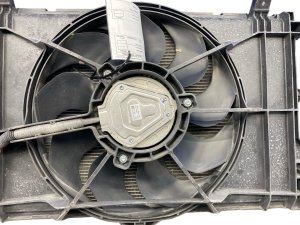
We Have This Part in Stock



The information in this article is provided for general reference and educational purposes only. Vehicle specifications, procedures, and part compatibility can vary by production date, trim level, and region. Always consult your vehicle's factory service manual and verify part numbers before purchasing or performing repairs. Safety-critical components such as airbags, seat belts, and braking systems should be installed by a qualified professional.
- Tesla Model 3:
- Tesla Model Y:
- 🎬 Helpful Videos
- 🛍️ Shop This Part
- Key Compatibility Warnings
- Symptoms of a Failing Radiator
- 1. Coolant Leaks
- 2. Overheating Warnings on the Touchscreen
- 3. Poor Cabin Heating or Cooling
- 4. Gurgling Noises
- Buying a Used Radiator: What to Look For
- Physical Inspection Checklist:
- Compatibility Verification:
- Mileage and Age:
- Known Issues, Recalls, and TSBs
- Heat Pump Software Recall (NHTSA ID 22V-050)
- Infotainment CPU Overheating (NHTSA ID 22V-296)
- Replacement Procedure Overview
- Key Steps:
- Cost Comparison
- Frequently Asked Questions (FAQ)
- 🎟️ Get 5% Off