

Tesla Model 3 & Y Radiator (2017-2026): Heat Pump vs. PTC System Differences
This guide explains the critical differences in the cooling systems, common failure points, and how to choose the right used radiator for your 2017-2026 Tesla Model 3 or Model Y.
- The most critical factor is compatibility: 2017-2020 Model 3s use a different radiator (PTC system) than 2021+ Model 3s and all Model Ys (Heat Pump system).
- Failure symptoms often appear as on-screen warnings about overheating, reduced performance, or slow charging.
- A common issue is debris clogging the radiator fins, which reduces cooling and can be cleaned as a preventative measure.
- When buying used, physically inspect for corrosion and fin damage, and always verify the part number for your specific vehicle system.
Key Compatibility Warning: Heat Pump vs. PTC Heater Systems

The most critical factor when replacing a radiator in a Tesla Model 3 or Model Y is identifying the vehicle's thermal management system. There are two major versions, and the parts are not interchangeable.
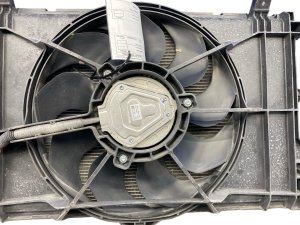
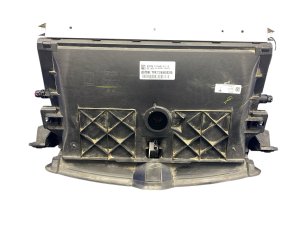
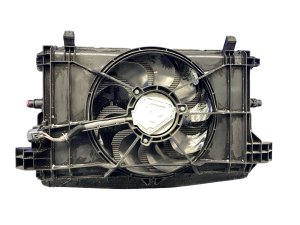
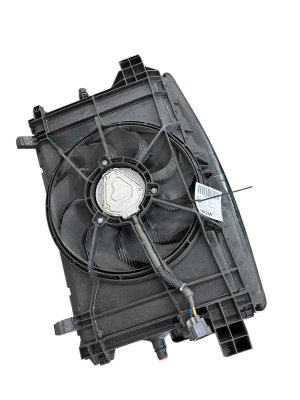
Important: Visually compare your original part to the images provided by a seller to ensure correct mounting fixtures and hose connections before purchase. Fitment varies significantly between these systems.
- 2017-2020 Tesla Model 3 (Non-Heat Pump): These earlier models use a Positive Temperature Coefficient (PTC) resistive heater for the cabin. Their cooling system is less complex than later models. The radiator for these vehicles is specific to this system. A common part number for this era is 1077082-00-C.
- 2021+ Tesla Model 3 & 2020+ Tesla Model Y (Heat Pump): These vehicles feature a highly efficient heat pump system, which integrates heating and cooling for the cabin, battery, and drivetrain. This system, which includes the 'Octovalve' and 'Supermanifold', uses a different radiator design. 🎬 Watch: How Tesla's heat pump system works A common part number for these models is 1494175-00-B.
- 2024+ Model 3 'Highland' & 2025+ Model Y 'Juniper': These major vehicle refreshes include redesigned exteriors and updated thermal management systems. While they also use a heat pump, part numbers and designs may differ from the 2020-2023 versions. Always verify part numbers for these newer models.
Symptoms of Radiator & Cooling System Failure

A problem with the radiator or the broader thermal management system can present in several ways, often through warnings on the main touchscreen.
- Vehicle Overheating Warnings: The car will display alerts like "Pull over safely" or "Vehicle may not restart" if the battery or drivetrain components get too hot. This is the most serious symptom.
- Reduced Performance or Charging Speed: To protect the battery from overheating, the vehicle's computer will automatically limit motor power and reduce DC fast charging speeds.
- Coolant Leaks: You may find a puddle of pink or blue fluid under the front of the car. The coolant is Tesla's specific G-48 formula. Leaks can come from the radiator itself (often due to road debris damage) or from connecting hoses.
- Loud or Constantly Running Fans: If the radiator is clogged with debris or is failing, the cooling fans will run at high speed more frequently to try and compensate.
- Loss of Cabin Heat or A/C: In heat pump-equipped models, issues within the thermal management system can affect cabin climate control. A common issue is the failure of refrigerant pressure/temperature sensors, which can disable the heat pump.
Known Issues, Recalls, and Service Bulletins

- NHTSA Recall 22V-063 (Heat Pump Software): A February 2022 recall was issued for a software error on 2020-2022 Model Y and 2021-2022 Model 3 vehicles. The error could cause a valve to open unintentionally, trapping refrigerant and leading to decreased windshield defrosting performance in cold temperatures. This was addressed with an over-the-air (OTA) software update.
- TSB SB-21-18-002 (Faulty Sensors): A technical service bulletin addresses an issue on 2020-2021 models where refrigerant pressure/temperature sensors in the heat pump system can fail. This can cause a loss of both heating and cooling. The fix involves replacing the faulty sensors. 🎬 See: Troubleshooting Tesla HVAC and sensor failures
- Debris Accumulation: The front-facing radiator is susceptible to collecting bugs, leaves, and road debris. Over time, this can block airflow and significantly reduce cooling efficiency. Tesla has an official service procedure for cleaning the radiator, which involves removing the active grille shutter to gain access.
Pro Tip: Periodically inspect the front of your radiator through the lower grille opening. If you see significant debris buildup, it's wise to have it cleaned to prevent future overheating issues. This can often be done with compressed air or a gentle water spray after removing the front under-panel and active shutters.
🎬 Watch: Step-by-step guide to cleaning your radiatorBuying a Used Radiator: What to Look For

A used OEM radiator can be a cost-effective solution, but careful inspection is key. Since this part is critical for battery health, getting a good one is essential.
- Verify the Part Number: This is the most important step. Double-check that the part number matches your vehicle's system (PTC vs. Heat Pump). For example, 1077082-00-C is for older PTC models, while 1494175-00-B is for newer heat pump models.
- Inspect the Fins: Look for extensive damage to the cooling fins. A few bent fins are normal and can be carefully straightened with a fin comb, but large areas of flattened or crushed fins will impede airflow and reduce performance.
- Check for Corrosion: Examine the aluminum core and especially the areas where the aluminum meets the plastic end tanks. Heavy white, crusty corrosion is a red flag indicating a potential future leak.
- Examine End Tanks and Connections: Inspect the plastic end tanks for any cracks, especially around the hose connection points. Check that the hose inlets/outlets are not cracked or deformed.
- Ask About the Donor Vehicle: If possible, find out why the donor vehicle was salvaged. A part from a rear-end collision is generally preferable to one from a major front-end impact, which could have subjected the radiator to stress or hidden damage.
For a component like this, a used OEM part is often a better choice than a cheap aftermarket one. OEM parts guarantee perfect fitment for mounting points and hose connections, which is crucial in the tightly packaged front end of a Tesla.
Replacement Overview & Related Parts
Replacing the radiator on a Model 3 or Y is a moderately difficult job that requires specific procedures.
- Difficulty: The process involves removing the front bumper, frunk assembly, and active grille shutters to access the radiator.
- Coolant Service: The vehicle's cooling system must be drained and refilled. Tesla's service software (Toolbox 3) is used to run a special coolant bleed and fill procedure to prevent air pockets in the system, which can impede coolant flow.
- Related Parts to Consider:
- Coolant: You will need to refill the system with Tesla's specified G-48 coolant (blue/green), which is typically a pre-mixed 50/50 solution. Do not add water or use other types of coolant.
- Hoses and Clamps: It's good practice to inspect the radiator hoses for any swelling, cracking, or softness and replace them if they show signs of age.
- Cooling Fan Assembly: The radiator is attached to the fan assembly. While you have it apart, check the fan for any damage or bearing noise.
Cost Comparison
| Part/Service | Estimated Cost |
|---|---|
| New OEM Radiator (Tesla Service) | $400 - $600 (Part Only) |
| New Aftermarket Radiator | $160 - $320 |
| Used OEM Radiator | $150 - $250 |
| Shop Labor for Replacement | $350 - $700 |
| Total Replacement Cost (Shop) | $750 - $1,300+ |
Prices are estimates as of mid-2026 and can vary based on location and vehicle model. Shop labor includes draining and refilling the cooling system.
Frequently Asked Questions
Is the radiator the same as the A/C condenser?
No. The radiator (for the battery/drivetrain coolant) and the A/C condenser (for the cabin air conditioning refrigerant) are two separate components, though they are often mounted together in a stacked assembly at the front of the vehicle. Damage to one often involves damage to the other in a front-end collision.
How do I know for sure if my Model 3 has a heat pump?
The simplest way is by model year. If your Model 3 is a 2021 model year or newer, it has a heat pump. All Model Y vehicles, starting from their introduction in 2020, have a heat pump. Pre-2021 Model 3s have the older PTC resistive heating system.
What kind of coolant does a Tesla Model 3 or Model Y use?
Tesla specifies a particular ethylene glycol-based coolant, often referred to as G-48. It is typically blue or green and has low electrical conductivity, which is vital for use in an EV. Always use the specified pre-mixed coolant and do not add water.
Is mileage a concern for a used radiator?
Not really. Unlike mechanical parts, a radiator's condition is more dependent on its age and exposure to the elements than mileage. A low-mileage part that has been damaged by road debris or sat with corrosive fluid in it can be worse than a high-mileage part that is clean and structurally sound. Physical inspection is far more important than the odometer reading of the donor car.
Helpful Videos




Technical Specifications
OEM Part Numbers: 1077082-00-C 1077083-00-B 1077084-00-E 1103545 1103545-00-A 1103545-00-B 1493995-00-B 1493995-00-C 149399500B 1494175-00-A 1494175-00-B 149417500A 1494179-00-A 1494179-00-B 1547595-98-E
Coolant Type: Tesla G-48 Ethylene Glycol (pre-mixed 50/50). Material: Aluminum core with plastic end tanks.
We Have This Part in Stock



The information in this article is provided for general reference and educational purposes only. Vehicle specifications, procedures, and part compatibility can vary by production date, trim level, and region. Always consult your vehicle's factory service manual and verify part numbers before purchasing or performing repairs. Safety-critical components such as airbags, seat belts, and braking systems should be installed by a qualified professional.
- Tesla 3:
- Tesla Y:
- 🎬 Helpful Videos
- 🛍️ Shop This Part
- Key Compatibility Warning: Heat Pump vs. PTC Heater Systems
- Symptoms of Radiator & Cooling System Failure
- Known Issues, Recalls, and Service Bulletins
- Buying a Used Radiator: What to Look For
- Replacement Overview & Related Parts
- Cost Comparison
- Frequently Asked Questions
- 🎟️ Get 5% Off