

The 2005-2013 Nissan & Suzuki Radiator Flaw: Preventing the 'SMOD' Transmission Failure
A critical guide to the radiator and integrated transmission cooler failure that affects the 2005-2010 Nissan Frontier, Pathfinder, Xterra, and 2009-2013 Suzuki Equator with automatic transmissions.
- The #1 issue is radiator failure causing coolant to mix with transmission fluid (SMOD), destroying the automatic transmission.
- This affects 2005-2010 Nissan Frontier, Pathfinder, Xterra and 2009-2013 Suzuki Equator models with automatic transmissions.
- Check your coolant for a pink, milky appearance immediately. If seen, do not drive the vehicle.
- Prevent this failure by either replacing the radiator proactively or performing a transmission cooler bypass modification.
The 'Strawberry Milkshake of Death' (SMOD): A Critical Flaw
The most significant issue with the radiator in the 2005-2010 Nissan Frontier, Pathfinder, Xterra, and the mechanically identical 2009-2013 Suzuki Equator is a catastrophic failure known as the "Strawberry Milkshake of Death" or SMOD. This problem is specific to models equipped with the 4.0L V6 engine and an automatic transmission.
The failure occurs when the internal wall separating the transmission fluid cooler from the engine coolant inside the radiator ruptures. When this happens, the higher-pressure engine coolant is forced into the transmission cooler lines, mixing with the automatic transmission fluid. This mixture of red/pink ATF and green or blue coolant creates a pink, milky slurry that resembles a strawberry milkshake. This contaminated fluid is then circulated throughout the transmission, where the glycol (the primary component of antifreeze) quickly destroys the transmission's clutch materials, seals, and sensitive electronic components. This almost always results in complete transmission failure, often with little to no warning.
Warning: This failure can happen suddenly. Once coolant contaminates the transmission fluid, the damage is rapid and irreversible, typically requiring a full transmission replacement costing thousands of dollars.
Affected Vehicles & Years
This issue is widely documented for the following models with automatic transmissions:
- 2005-2010 Nissan Frontier (4.0L V6)
- 2005-2010 Nissan Pathfinder (4.0L V6 & 5.6L V8)
- 2005-2010 Nissan Xterra (4.0L V6)
- 2009-2013 Suzuki Equator (4.0L V6)
The problem was largely resolved by Nissan around the 2011 model year with an updated radiator design. However, some early 2011 models may have been built with leftover radiator stock from 2010. Manual transmission vehicles are not affected by this specific issue as they do not have an integrated transmission cooler in the radiator.
Symptoms of Failure
It's important to distinguish between general radiator failure and the specific signs of SMOD.
SMOD-Specific Symptoms
- Pink, Milky Fluid: The most definitive sign is a pink, frothy, or sludgy substance found inside the radiator (when cool, check under the cap) or in the coolant overflow reservoir.
- Transmission Performance Issues: You may experience harsh shifting, gear slippage, hesitation, or a shuddering/vibration while driving, especially between 30-50 mph. In advanced stages, the transmission may refuse to shift at all.
- Swollen Radiator Cap Seal: Transmission fluid contamination can cause the rubber seals on the radiator cap to swell and deform.
General Radiator Failure Symptoms
- Engine Overheating: The temperature gauge climbing into the red is a classic sign the radiator is not cooling the engine effectively.
- Visible Coolant Leaks: Puddles of green, blue, or pink coolant under the front of the vehicle.
- Low Coolant Level: Constantly needing to add coolant to the reservoir is a sign of a leak.
- Steam from Engine Bay: Steam indicates coolant is leaking onto hot engine components.
How to Diagnose and Prevent SMOD
Step 1: Inspect the Fluids (Engine COLD)
With the engine completely cool, remove the radiator cap. Shine a flashlight inside. The coolant should be a translucent green or blue. If you see any pink, milky, or sludgy residue, you have SMOD and should not drive the vehicle. Also, check the coolant in the plastic overflow tank for the same contamination. Next, check the automatic transmission fluid dipstick (on models equipped). The fluid should be a clear reddish-pink. If it appears cloudy, frothy, or looks like Pepto-Bismol, it is contaminated.
Step 2: Identify Your Radiator
Look at the top of your radiator. The original, failure-prone radiators were made by Calsonic and often have a barcode label. While part numbers can be superseded, an original radiator from 2005-2010 is a major risk. If the radiator looks brand new or is a different brand (e.g., Koyo, CSF), it may have already been replaced.
Step 3: Prevention
If you own an at-risk vehicle and have confirmed no signs of SMOD, you have two primary options to prevent it:
- Replace the Radiator (Recommended): The most reliable, long-term solution is to proactively replace the original radiator with a quality aftermarket unit or a newer OEM radiator. This permanently eliminates the defect.
- Bypass the Radiator Cooler: A common and inexpensive modification is to re-route the transmission cooler lines to bypass the internal radiator cooler completely. These vehicles have a small, secondary external cooler from the factory, and the bypass forces it to do all the work.
Pro Tip: The bypass is a viable preventative measure, but it can reduce transmission cooling capacity. This may not be ideal for those who live in very hot climates, tow heavy loads, or do a lot of low-speed off-roading. For most daily driving, it is considered a safe modification.
Buying a Used Radiator: A Word of Extreme Caution
Given the SMOD issue, buying a used radiator for these vehicles is extremely risky and generally not recommended. You could be buying a part that has the same defect or, even worse, one that has already failed and been contaminated with transmission fluid.
If you must consider a used OEM radiator, follow these strict guidelines:
- Verify the Source Vehicle: Only consider a radiator from a 2011 or newer model year vehicle, as these have the updated design. Do not buy a used radiator from a 2005-2010 model.
- Inspect Internally: Before purchasing, insist on inspecting the inside of the transmission cooler ports. Look for any signs of a pink, oily, or chalky residue. Any contamination means the part is junk.
- Check Part Numbers: Look for updated OEM part numbers like 21460-9CA0E, which replaced earlier, problematic versions.
- Consider the Value: New, reliable aftermarket radiators can be purchased for $150-$250. The small cost savings of a used radiator often do not outweigh the massive risk of destroying your transmission.
Replacement Information
Replacing the radiator is a moderately difficult job that a skilled DIY mechanic can perform in a few hours.
- Difficulty: 3 out of 5
- Estimated Time: 2-4 hours
- Related Parts to Replace: While the cooling system is drained, it is highly recommended to also replace the upper and lower radiator hoses, the thermostat, and the radiator cap. Use new hose clamps instead of reusing the old spring-style ones.
- Coolant: Refill the system with genuine Nissan Long Life Blue Coolant (or an equivalent Asian vehicle formula). Do not mix coolant types.
Cost of Replacement
Prices can vary based on location and the parts chosen. If SMOD has already occurred, you must add the cost of a replacement transmission and multiple transmission fluid flushes.
| Part/Service | Estimated Cost |
|---|---|
| New OEM Radiator | $460 - $700 |
| New Aftermarket Radiator | $125 - $370 |
| Used OEM Radiator | $50 - $150 (Not Recommended) |
| Shop Labor (Radiator Only) | $360 - $610 |
| Total Job (Aftermarket Radiator) | $485 - $980 |
| Total Job (New OEM Radiator) | $820 - $1,310 |
Frequently Asked Questions (FAQ)
Is there a recall for the SMOD issue?
No, there was never a formal recall. Nissan settled a class-action lawsuit and extended the warranty to 10 years or 100,000 miles, but this coverage has expired for all affected vehicles. Owners are now fully responsible for the cost of repairs.
If I do the bypass, do I still need to replace my radiator?
The bypass prevents transmission failure, but it doesn't fix a faulty radiator. If your radiator is leaking coolant or not cooling the engine properly, it still needs to be replaced. The bypass is only a preventative measure against fluid cross-contamination.
My truck has over 150,000 miles. Am I safe from SMOD?
Not necessarily. While many failures occurred between 60,000 and 120,000 miles, a failure can happen at any time as the internal components continue to age. If the original radiator is still in the vehicle, the risk always exists.
Will a new radiator fix my shifting problems?
If your shifting problems are caused by SMOD, then no. By the time shifting issues appear, the transmission has already been damaged by coolant. Replacing the radiator at that point is necessary, but the transmission will also need to be flushed and likely replaced or rebuilt.
Technical Specifications
OEM Part Numbers: 21460-9CA0E 21460-9CA3A 21460-ZL11A 21460-EA215 21410-ZL31A 21460-EA005 21410-EB30A 21460-EB30A 21460-9BA1A 21460-9BA0E 21460-9CA0E 21460EA005 21460EA215 21460EB30A 21460ZL11A
The key feature is the integrated concentric automatic transmission fluid cooler, which is the source of the SMOD failure in early models. Updated radiators feature an improved plate-type cooler design.
We Have This Part in Stock
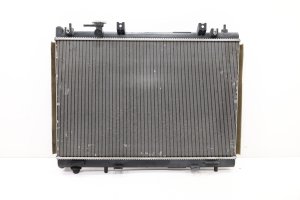
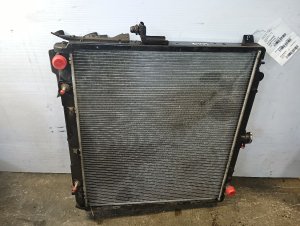
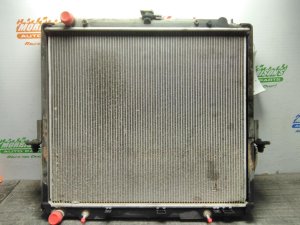
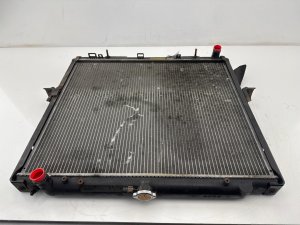

The information in this article is provided for general reference and educational purposes only. Vehicle specifications, procedures, and part compatibility can vary by production date, trim level, and region. Always consult your vehicle's factory service manual and verify part numbers before purchasing or performing repairs. Safety-critical components such as airbags, seat belts, and braking systems should be installed by a qualified professional.
- Suzuki Equator:
- Nissan Frontier:
- Nissan Pathfinder:
- Nissan Xterra:
- 🛍️ Shop This Part
- The 'Strawberry Milkshake of Death' (SMOD): A Critical Flaw
- Affected Vehicles & Years
- Symptoms of Failure
- SMOD-Specific Symptoms
- General Radiator Failure Symptoms
- How to Diagnose and Prevent SMOD
- Step 1: Inspect the Fluids (Engine COLD)
- Step 2: Identify Your Radiator
- Step 3: Prevention
- Buying a Used Radiator: A Word of Extreme Caution
- Replacement Information
- Cost of Replacement
- Frequently Asked Questions (FAQ)
- 🎟️ Get 5% Off