

2012-2019 BMW M6 Radiator Support Tie Bar: Collision Damage, Inspection & Replacement
Learn how to inspect, diagnose, and replace the crucial front-end brace on your F06, F12, or F13 M6, especially after a collision.
- Damage to this part is almost exclusively caused by a front-end collision.
- A bent or cracked tie bar is a safety issue that compromises front-end structural integrity and requires immediate replacement.
- When buying a used part, inspect it meticulously for any bends, cracks, or signs of repair, as any damage compromises its function.
- Using a genuine used or new OEM part is highly recommended over aftermarket alternatives to ensure proper fitment and maintain correct panel gaps.
Symptoms of a Damaged Radiator Support Tie Bar
Unlike electronic parts, a radiator support tie bar doesn't 'fail' in the traditional sense. Damage is almost always the result of a front-end collision or, less commonly, from stress caused by other damaged structural parts. Here are the most common signs of a bad or broken tie bar:
- Visible Damage: This is the most obvious symptom. Look for cracks, significant bends, or warping in the bar itself. Even a slight bend can compromise its structural integrity and throw off the alignment of other parts.
- Hood Latching and Alignment Issues: The radiator support often includes the mounting point for the hood latch. If the tie bar is bent, you may find that your hood is difficult to close, won't latch securely, or appears misaligned with the fenders when closed.
- Poor Panel Gaps: A key function of the tie bar is maintaining the shape of the front end. If it's damaged, you may notice uneven gaps between the hood, fenders, and front bumper cover.
- Headlight Misalignment: The headlights are mounted to the radiator support structure. If the support is bent or twisted from a damaged tie bar, your headlights may point unevenly or no longer sit flush with the body panels.
- Rattling or Clunking Noises: A loose or broken tie bar can cause rattling or clunking sounds from the front of the car, especially when driving over bumps. This indicates the front-end structure is no longer secure.
Warning: A damaged radiator support tie bar is often an indicator of a front-end impact. If you see damage here, it is critical to have the entire front structure of the vehicle, including the frame rails, inspected by a professional body shop to check for more serious, hidden damage.
Buying a Used Radiator Support Tie Bar for a BMW M6
For a structural part like this, a used OEM component is often a superior choice to a cheap aftermarket alternative. The original BMW part is designed with the correct materials and dimensions to guarantee perfect fitment and maintain the vehicle's structural integrity. Aftermarket parts may not fit precisely, leading to installation headaches and alignment problems. Here’s what to look for when buying used:
What to Inspect
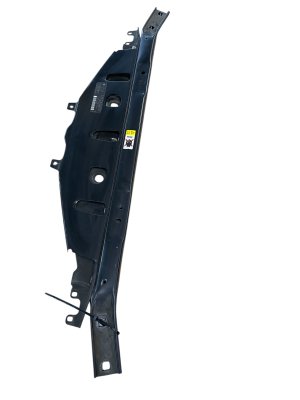
- Check for Bends and Warping: Lay the part on a flat surface. It should sit perfectly level without any rocking. Look down its length from both ends to spot any subtle bends.
- Inspect for Cracks: Carefully examine all surfaces, especially around bolt holes and bends, for hairline cracks. Any crack, no matter how small, means the part is compromised and should be rejected.
- Examine Mounting Points: Ensure all bolt holes are round and not elongated or damaged. Damaged mounting points can prevent the bar from being securely fastened.
- Avoid Repaired Parts: Look for signs of welding, filler, or repainting. A structural part that has been repaired after damage is not safe to use.
Verifying Compatibility
The 2012-2019 M6 shares its platform with other 5-series and 6-series models (F06, F10, F12, F13). While some parts are shared, it's crucial to get the correct one. Always verify the OEM part number from the donor vehicle against the number required for your specific M6 model and year. The primary upper tie bar for many of these models is 51647200690. However, always double-check with a dealer or parts catalog using your VIN.
Known Issues, TSBs, and Recalls
There are no specific recalls or Technical Service Bulletins (TSBs) issued by BMW or the NHTSA for the radiator support tie bar itself. This is expected, as it is a simple structural component that only fails due to external forces like a collision. While the 2012-2019 M6 has had recalls for other issues such as oil pumps, airbags, and brake lights, none pertain to the front-end support structure.
Cost Comparison
The cost for a replacement radiator support tie bar can vary significantly based on the source. Labor costs for this simple replacement are generally low.
| Part Type | Estimated Cost |
|---|---|
| New OEM (Dealer) | $400 - $550 |
| New Aftermarket | $150 - $250 |
| Used OEM | $100 - $200 |
| Shop Labor | $100 - $200 |
Frequently Asked Questions (FAQ)
Is a radiator support tie bar the same as a strut bar?
No. A radiator support tie bar connects the two sides of the radiator support at the very front of the car to provide structural rigidity for body panels and cooling components. A strut bar (or strut tower brace) connects the tops of the two front suspension strut towers to reduce chassis flex during cornering. They are in different locations and serve different purposes.
Can I drive with a broken or bent radiator support tie bar?
While the car will still run, it is not recommended. A damaged tie bar compromises the structural integrity of the front end, which can be dangerous in a subsequent collision. It can also cause the hood to be insecure, potentially allowing it to fly open while driving, and may cause excessive vibration that can damage other components like the radiator or cooling fan.
Does a damaged tie bar mean the car has frame damage?
Not necessarily, but it's a strong warning sign. The tie bar is designed to be part of the vehicle's crumple zone and can be damaged in a minor impact that doesn't affect the main frame rails. However, because it's a key structural piece, its damage warrants a thorough inspection of the entire front-end structure by a qualified body shop to rule out more serious, hidden damage.
Why is using an OEM part important for this replacement?
Fitment is critical. An OEM part guarantees that all mounting holes will line up perfectly, and the panel gaps for your hood and fenders will be correct. Cheaper aftermarket parts may have slight variations in their dimensions that can make installation difficult and result in a poor final appearance.
Technical Specifications
OEM Part Numbers: 51647200690 7267356
Material: Typically stamped steel or aluminum. Connects the upper left and right radiator core support structures.
We Have This Part in Stock

The information in this article is provided for general reference and educational purposes only. Vehicle specifications, procedures, and part compatibility can vary by production date, trim level, and region. Always consult your vehicle's factory service manual and verify part numbers before purchasing or performing repairs. Safety-critical components such as airbags, seat belts, and braking systems should be installed by a qualified professional.
- BMW M6: