

1997-2002 Mitsubishi Mirage Radiator Support: The Critical Coupe vs. Sedan Difference
This guide covers the essential compatibility differences, failure symptoms, and replacement costs for the 1997-2002 Mitsubishi Mirage radiator support.
- The radiator support for the 2-door coupe (MR208734) and 4-door sedan (MR208733) are NOT interchangeable.
- Replacement is a professional-level job requiring drilling of spot welds and welding the new part in place.
- Failure is caused by collision damage or rust, leading to misaligned body panels, noises, and potential overheating.
- When buying used, prioritize a straight, rust-free OEM part and verify the donor vehicle's body style.
Key Differences: 2-Door Coupe vs. 4-Door Sedan
Warning: The most critical factor when sourcing this part is the vehicle's body style. The radiator supports for the 2-door coupe and 4-door sedan are not interchangeable. The 1997-2002 Mirage sedan rides on a longer wheelbase than the coupe, resulting in different front-end structural components.
- 2-Door Coupe Radiator Support OEM Part Number: MR208734
- 4-Door Sedan Radiator Support OEM Part Number: MR208733
Always verify you are purchasing the correct part for your specific body style. Installing the wrong support will result in misaligned body panels, headlights, and cooling components.
Symptoms of a Failing Radiator Support
Failure of a radiator support is almost always caused by physical damage, either from a front-end collision or from advanced rust. Symptoms are usually easy to spot.
- Poor Hood, Fender, or Bumper Alignment: If the support is bent or damaged, you may notice uneven gaps between the fenders and the hood. The hood may be difficult to open or may not latch securely.
- Visible Damage: Obvious signs include bent, cracked, or kinked metal. In areas where road salt is used, severe rust can weaken the structure, causing it to crumble or break apart.
- Rattling or Clunking Noises: A broken or loose support can allow the radiator and cooling fan assembly to vibrate or shift, creating rattling or clunking sounds from the front of the car, especially at idle or on rough roads.
- Engine Overheating: In severe cases, if the radiator shifts out of position, it can reduce airflow through the cooling fins, leading to overheating. Damage to the support could also puncture the radiator or cause a hose to disconnect, resulting in a major coolant leak and rapid overheating.
Buying a Used Radiator Support: Inspection Guide
A used OEM radiator support is often the best value, offering factory fitment at a lower cost than a new part. However, a thorough inspection is essential before buying.
- Confirm the Body Style: This is the most important step. Double-check that the donor vehicle is a 2-door coupe if that is what you need. Do not trust a part that has been removed without knowing its origin.
- Inspect for Bends and Cracks: Lay the support on a flat surface to check for any twisting or warping. Carefully examine all mounting points for the headlights, radiator, and fenders. Even a minor bend from a small impact can make alignment impossible.
- Check for Rust: Pay close attention to the lower sections where water and salt collect. Check all welds and seams for signs of corrosion. Use a screwdriver to gently poke at any suspect areas; if it feels soft or flakes away easily, the part is compromised.
- Examine the Hood Latch Mount: Ensure the mounting area for the hood latch is straight and free of cracks or stress marks. A damaged latch mount is a serious safety concern.
- Why Used OEM is a Good Choice: Original Equipment Manufacturer (OEM) parts are designed to fit perfectly. Aftermarket radiator supports, especially cheaper ones, are notorious for poor fitment, with mounting holes that don't line up correctly. This can turn a difficult repair into an impossible one. A straight, rust-free used OEM part is almost always superior to a new, low-quality aftermarket part.
Replacement Difficulty and Procedure
Installation Difficulty: 5 out of 5 (Professional Level)
Replacing the radiator support on a 1997-2002 Mitsubishi Mirage is a complex and labor-intensive job that is not recommended for DIY mechanics without auto body experience. The original support is attached to the vehicle's unibody frame with numerous spot welds.
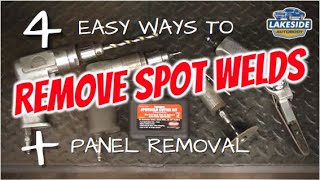
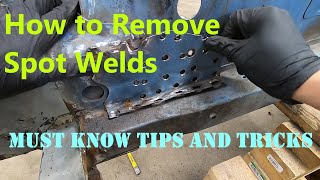
Warning: This is not a bolt-off, bolt-on part. Removal requires specialized tools to drill out dozens of factory spot welds. 🎬 See: 4 easy ways to remove spot welds The new support must then be precisely positioned and welded into place to ensure the vehicle's front-end geometry is correct.
The general process involves:
- Disconnecting the battery.
- Removing the front bumper, headlights, grille, and hood latch.
- Draining the cooling system and removing the radiator, condenser, and cooling fans.
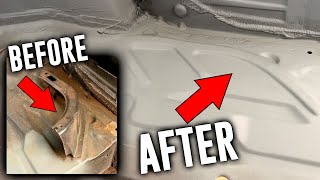
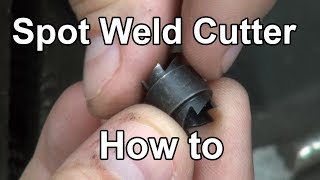
- Using a spot weld drill bit to carefully separate the old support from the frame rails and inner fenders. 🎬 Watch: Must-know tips for drilling out spot welds
- Test-fitting the replacement support, making adjustments as needed.
- Welding the new support into place.
- Applying seam sealer and paint to prevent future rust.
- Reassembling all removed components.
Pro Tip: Due to the complexity and the need for welding, this job is best left to a professional auto body shop. An improperly installed radiator support can compromise the vehicle's structural integrity and safety.
Cost Breakdown
The cost to replace a Mirage radiator support is dominated by labor due to the welding involved. Prices are estimates and can vary by location and the specific condition of the vehicle.
| Part Type | Estimated Cost |
|---|---|
| New OEM | $180 - $260 (if available) |
| New Aftermarket | $120 - $200 |
| Used OEM | $75 - $150 |
| Shop Labor | $800 - $1,500+ |
Frequently Asked Questions (FAQ)
Can I use a sedan radiator support on my coupe?
No, you cannot. The parts are different and have unique OEM part numbers (MR208734 for the coupe, MR208733 for the sedan). They will not align correctly.
Is it safe to drive with a damaged radiator support?
It depends on the severity. Minor damage may just be cosmetic. However, if the support is significantly bent or rusted, it can be unsafe. A loose radiator can lead to engine failure, and a compromised hood latch could allow the hood to fly open while driving. It is best to have any damage inspected by a professional.
Can a bent radiator support be repaired?
Minor bends can sometimes be straightened by an auto body technician. However, if the metal is kinked, cracked, or severely rusted, replacement is the only safe and effective option. Given the low cost of a used replacement part, repairing a significantly damaged support is often not economical.
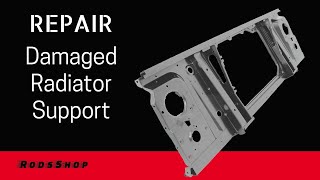
🎬 Watch: How a damaged radiator support is repairedAre there any recalls for the 1997-2002 Mirage radiator support?
No. There are no recalls or technical service bulletins (TSBs) from the NHTSA specifically related to the radiator support for this vehicle. Recalls for this generation pertain to other components like the crankshaft pulley or aftermarket lighting.
Helpful Videos
Technical Specifications
OEM Part Numbers: MR208734 (2-Door Coupe) MR208733 (4-Door Sedan)
Material: Steel and/or Plastic composite assembly. Attachment Method: Spot-welded to unibody frame.
We Have This Part in Stock


The information in this article is provided for general reference and educational purposes only. Vehicle specifications, procedures, and part compatibility can vary by production date, trim level, and region. Always consult your vehicle's factory service manual and verify part numbers before purchasing or performing repairs. Safety-critical components such as airbags, seat belts, and braking systems should be installed by a qualified professional.
- Mitsubishi Mirage: