

1990 Lexus LS400 Radiator Support: Structural Integrity, Damage, and Replacement
A deep dive into the multi-piece radiator support for the first-generation Lexus LS400, covering inspection, known issues, and why replacement is a job for professionals.
- The radiator support is a critical structural component welded to the frame; its replacement is a job for a professional body shop, not a DIYer.
- Damage is almost always from a past front-end collision; inspect any used part carefully for bends, cracks, or sloppy repair welds.
- The 1990 LS400 uses a multi-piece assembly. Verify if you need the upper tie bar, a side panel, or the whole assembly before buying.
- Symptoms of a bad support are often indirect, such as poor hood and fender alignment, hood latching issues, or unexplained cooling problems.
Symptoms of a Damaged Radiator Support
Because the radiator support is a key structural piece, damage often shows up as problems with other parts of the car. Most damage is caused by front-end impacts, from major accidents to minor bumps, or even hitting a large pothole.
- Poor Panel Alignment: The most common symptom is misaligned front-end components. Look for uneven gaps between the hood, fenders, and bumper. The headlights may also appear crooked or asymmetrical.
- Hood Latching Issues: If the support is bent, the hood latch mechanism it holds can be shifted out of position. This can make the hood difficult to close securely or hard to open.
- Visible Damage: In cases of significant impact, you may see visible bending, cracking, or twisting of the metal support structure itself. Check for cracked welds or non-factory repairs like sloppy welds and body filler.
- Cooling System Problems: A deformed support can push the radiator out of position, causing it to tilt or contact the cooling fan. This can lead to coolant leaks from stressed hoses, damage to the radiator itself, or reduced cooling efficiency, potentially causing the engine to run hot.
- Unusual Noises: A loose or cracked support can cause rattling, creaking, or clunking sounds from the front of the vehicle, especially when driving on bumpy roads.
Warning: A severely damaged radiator support compromises the structural integrity of the vehicle's front end, which can reduce its ability to protect occupants in a future collision.
Known Issues, Recalls, and TSBs for the 1990 Lexus LS400
For a vehicle of this age, the primary issues are previous accident damage and potential rust. There are no specific recalls or Technical Service Bulletins (TSBs) issued by the NHTSA for the radiator support itself on the 1990 LS400.
- Previous Accident Damage: This is the number one issue. Many of these cars have been in minor to moderate front-end collisions over their long lives. Even a seemingly well-repaired car can have a compromised radiator support hiding underneath. A forum member noted that due to the LS400's design, it's common for the front end to slide under another vehicle in a collision, concentrating damage on the radiator support and hood.
- Multi-Piece Assembly Complications: The 1990 LS400 uses a multi-piece radiator support, including an upper tie bar and left/right side panels. This can be an advantage, as a damaged side piece can sometimes be replaced without replacing the entire assembly. However, it also means buyers of used parts must be certain they are getting the correct piece they need.
- Welded Construction: Unlike a simple bolt-on part, the main side supports are spot-welded to the vehicle's unibody frame. This makes replacement a complex job requiring specialized tools and skills.
Buying a Used Radiator Support: What to Check
Given that new OEM parts are largely discontinued or very expensive, a recycled OEM part is the most practical option. Inspecting a used part thoroughly is critical.
- Check for Straightness: Lay the part on a flat surface. Look for any signs of bending, twisting, or warping. Pay close attention to the upper tie bar and the headlight mounting areas.
- Inspect All Welds: Check the factory spot welds. If you see any cracks or signs of re-welding (which will look different from the clean factory welds), the part has likely been repaired and may be weak.
- Verify Mounting Points: Carefully examine all bolt holes and mounting tabs for the radiator, condenser, headlights, and hood latch. Ensure they are not cracked, broken, or elongated from stress.
- Look for Hidden Rust: Check the lower sections and inside any channels where water could have collected. Surface rust can often be treated, but deep, flaking rust compromises the part's strength.
- Confirm Part and Fitment: The 1990 LS400 (UCF10 chassis) radiator support is specific to the first generation. The support is an assembly of multiple parts. Verify if you are buying the upper support (tie bar), the left side panel, the right side panel, or a complete assembly. Match the part visually to your needs and confirm the part numbers if possible.
Pro Tip: When checking for previous damage on a car, look at the radiator support. Mismatched bolts, fresh paint in just that area, or non-factory welds are tell-tale signs of a past front-end repair.
Replacement and Installation
Replacing the radiator support on a 1990 Lexus LS400 is a major undertaking and is not considered a DIY job for the average home mechanic. The side support structures are spot-welded to the car's frame rails.
The process involves:
- Draining the cooling system and disconnecting the radiator and A/C condenser.
- Removing the front bumper, grille, and headlights.
- Drilling or grinding out dozens of factory spot welds to separate the old support from the unibody.
- Carefully positioning the replacement support and ensuring the front-end geometry is perfectly square. This often requires specialized measuring tools.
- Welding the new support into place, mimicking the factory spot welds.
- Treating and painting the repaired areas to prevent rust.
- Reassembling all removed components.
This procedure should be performed by a professional auto body technician to ensure the vehicle's structural integrity and safety are restored.
Cost Comparison
Pricing for a 1990 Lexus LS400 radiator support can vary widely based on availability and condition.
| Part Type | Estimated Cost | Notes |
|---|---|---|
| New OEM | $150 - $350+ per piece | Many pieces are discontinued. Prices are for individual components (e.g., upper bar, side panel) and can be very high if available. |
| New Aftermarket | Not commonly available | Due to the vehicle's age, aftermarket manufacturers do not widely produce this structural part. |
| Used OEM | $100 - $400 for assembly | The most common and cost-effective option. Price depends on condition and which pieces are included. Sourced from auto recyclers. |
| Shop Labor | $1000 - $2500+ | This is a labor-intensive body shop job requiring 10-20+ hours. The cost reflects the complexity of cutting, welding, and finishing. |
Frequently Asked Questions (FAQ)
Can I replace the radiator support myself?
It is not recommended. The side panels of the support are welded to the vehicle's frame. Proper replacement requires drilling out spot welds, precise alignment of the new part, and welding it in place. This is a job for a professional body shop to ensure the vehicle's structural safety.
What is the difference between the OEM part numbers?
The radiator support is a multi-piece assembly. The different part numbers correspond to the individual components: 53205-50011 is the upper support or 'tie bar', 53202-50011 is the right-hand (passenger side) support panel, and 53203-50011 is the left-hand (driver side) support panel. You must verify which specific piece you need to replace.
Will a bad radiator support make my car overheat?
Indirectly, yes. If the support is bent, it can push the radiator into the fan, damage the radiator core, or block airflow, all of which can lead to overheating. A cracked radiator is a common result of a damaged support.
Is there a recall on the 1990 Lexus LS400 radiator support?
No. There are no NHTSA recalls specifically for the radiator support on this vehicle. The only recall for the 1990 LS400 concerns the high-mounted third brake light.
Technical Specifications
OEM Part Numbers: 53202-50010 53202-50011 53203-50010 53203-50011 53205-50011 53205-50012
Multi-piece, spot-welded steel construction. Includes upper tie bar and left/right side support panels.
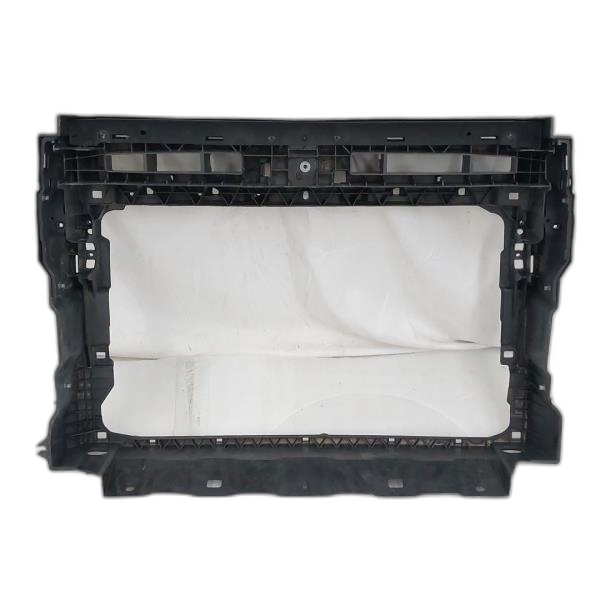
We Have This Part in Stock

The information in this article is provided for general reference and educational purposes only. Vehicle specifications, procedures, and part compatibility can vary by production date, trim level, and region. Always consult your vehicle's factory service manual and verify part numbers before purchasing or performing repairs. Safety-critical components such as airbags, seat belts, and braking systems should be installed by a qualified professional.
- Lexus LS400: