

2018-2020 Jaguar E-Pace Radiator Support: Front-End Structure and Collision Repair Guide
This guide covers the critical role of the radiator support in the E-Pace's structural integrity, common failure symptoms after a collision, and how to inspect a used replacement.
- The radiator support is a critical structural part; damage is almost always from a collision and compromises safety.
- Failure symptoms are primarily visual: poor alignment of the hood and fenders, difficulty closing the hood, and visible cracks or bends.
- Replacement is a body-shop-level job requiring specialized tools for cutting spot welds and welding the new part in place; it is not a DIY task.
- A straight, undamaged used OEM part (J9C4041) is the best value, as new OEM parts are very expensive and aftermarket options are generally unavailable and risky for fitment.
Symptoms of a Damaged Radiator Support
Because the radiator support is a core structural part, failure is almost always the result of a front-end collision. Damage is often obvious, but even a minor impact can cause subtle issues. Here are the most common symptoms:
- Poor Panel Alignment: This is the most frequent sign. Look for uneven or wide gaps between the hood and fenders, or between the headlights and the front bumper. A bent support can make it impossible to achieve correct body panel alignment.
- Hood Latch and Closing Problems: If the hood is difficult to open or requires multiple attempts to close securely, the support may be bent, misaligning the hood latch striker and mechanism.
- Visible Cracks or Bends: Any visible cracks, especially near mounting points or welds, indicate a compromised part. On the E-Pace, this component is a complex assembly; inspect it carefully for any deformation.
- Engine Overheating: If the support is pushed back, it can shift the radiator and cooling fans. This can restrict airflow or cause the fan blades to contact the radiator, leading to poor cooling performance and potential overheating.
- Rattling or Creaking Noises: A damaged or broken support can allow the radiator, condenser, or other front-end components to move around, causing rattling or creaking sounds, especially when driving over bumps.
Known Issues, Recalls, and TSBs for 2018-2020 Jaguar E-Pace
While no recalls or Technical Service Bulletins (TSBs) have been issued specifically for the radiator support on the 2018-2020 E-Pace, several bulletins relate to the front-end and cooling systems. A technician or DIYer diagnosing a front-end issue should be aware of these.
- Recall N223 (NHTSA 18V-623): Affects some 2018 E-Pace models with the 2.0L gasoline engine. The fuel rail end caps could leak, creating a fire risk in the engine bay.
- Recall H082 (NHTSA 18V-209): On certain 2018 E-Pace vehicles, the front brake hose brackets may not have been installed correctly, potentially allowing the hose to contact the tire and cause a brake fluid leak.
- SSM 75559: Jaguar issued a Special Service Message for coolant leaks from the thermostat housing on the AJ20-P4 (2.0L gasoline) engine. A coolant leak in this area could be mistaken for a radiator issue.
- Common Issues Noted by Owners: Some owners have reported premature failure of the variable cam timing (VCT) solenoids, noisy idler/tensioner pulleys, and malfunctioning hood latch micro-switches that can cause the alarm to trigger randomly.
Pro Tip: When investigating front-end damage or cooling issues, always check for these related service actions, as they can present symptoms similar to or in conjunction with radiator support damage.
🎬 Check out this summary of common E-Pace mechanical issues.Buying a Used 2018-2020 E-Pace Radiator Support: A Buyer's Checklist
Due to the high cost of a new OEM radiator support, a high-quality, undamaged used OEM part is often the best choice for collision repair. Aftermarket versions for this specific vehicle are not widely available, and even if they were, they often suffer from fitment issues that can complicate repairs. A used OEM part guarantees the correct dimensions and mounting points.
Before buying a used radiator support, perform a thorough inspection:
- Check for Straightness: Lay the part on a flat surface. Check for any twisting or warping. Even a slight bend can prevent the hood and fenders from aligning correctly.
- Inspect All Welds and Seams: Carefully examine all factory welds and seams for any signs of cracking or stress. Pay close attention to the areas where the support attaches to the vehicle's frame rails.
- Verify All Mounting Points: The E-Pace support has numerous mounting tabs and holes for the radiator, headlights, A/C condenser, and various brackets. Confirm that none of these are cracked, broken off, or elongated.
- Look for Signs of Past Repairs: Be wary of parts that show signs of non-factory welds, body filler (Bondo), or fresh paint in isolated areas. This suggests the part was damaged in a previous collision and repaired, and its structural integrity may be compromised. 🎬 See how to inspect a Jaguar for hidden accident damage.
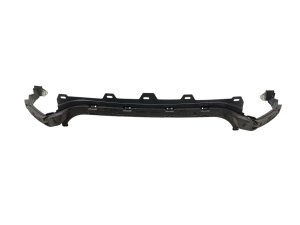
- Confirm the Part Number: The primary OEM part number for the 2018-2020 E-Pace radiator support (upper tie bar) is J9C4041. Ensure you are purchasing the correct part for your vehicle.
Radiator Support Replacement
Replacing the radiator support on a Jaguar E-Pace is a complex and labor-intensive job that should only be performed by experienced technicians or a professional body shop.
- Installation Difficulty: 5 out of 5. This is not a DIY-friendly repair.
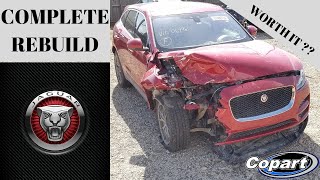
- Why it's difficult: The radiator support is typically welded to the vehicle's inner fender structures (aprons). Replacement requires drilling or cutting out dozens of factory spot welds and then welding the new support into place. The entire front of the vehicle must be disassembled, including the bumper cover, reinforcement bar, headlights, grille, radiator, and A/C condenser. Proper alignment 🎬 Watch this professional rebuild of a wrecked Jaguar front end. during installation is critical and requires specialized body shop equipment.
Warning: Incorrect installation or welding of this structural component can compromise the vehicle's safety in a future collision and cause persistent panel alignment issues.
Cost Comparison: New vs. Used
The high cost of a new OEM part makes a certified used part an excellent value proposition. Aftermarket options for this specific part are generally not available.
| Part Type | Estimated Price Range |
|---|---|
| New OEM (Jaguar) | $1,170 - $1,655 |
| New Aftermarket | Not Generally Available |
| Used OEM | $500 - $900 |
| Shop Labor | $900 - $1,800+ |
Frequently Asked Questions (FAQ)
Can a cracked or bent radiator support be repaired?
Minor bends can sometimes be straightened by a body shop using hydraulic equipment. However, if the part is cracked or severely bent, replacement is the only safe option to restore structural integrity.
Will a damaged radiator support cause my car to fail a safety inspection?
Yes, in many jurisdictions, visible structural damage to a component like the radiator support will result in a failed safety inspection. It compromises the vehicle's crashworthiness.
Does the radiator support need to be painted?
Yes. New radiator supports typically come coated in a black e-coat primer. This primer is not a final finish and must be properly prepped and painted with automotive-grade paint to protect it from corrosion.
Will replacing the radiator support fix my car's alignment?
Replacing a damaged radiator support is a necessary step to fixing front-end body alignment (panel gaps). However, it does not affect wheel alignment (camber, caster, toe). After any significant front-end collision repair, you should always have a professional wheel alignment performed as well.
Helpful Videos


Technical Specifications
OEM Part Numbers: J9C4041
Material composition is typically a mix of high-strength steel and composite materials. The part is a welded and bonded assembly.
We Have This Part in Stock

The information in this article is provided for general reference and educational purposes only. Vehicle specifications, procedures, and part compatibility can vary by production date, trim level, and region. Always consult your vehicle's factory service manual and verify part numbers before purchasing or performing repairs. Safety-critical components such as airbags, seat belts, and braking systems should be installed by a qualified professional.
- Jaguar E-Pace:
- 🎬 Helpful Videos
- 🛍️ Shop This Part
- Symptoms of a Damaged Radiator Support
- Known Issues, Recalls, and TSBs for 2018-2020 Jaguar E-Pace
- Buying a Used 2018-2020 E-Pace Radiator Support: A Buyer's Checklist
- Radiator Support Replacement
- Cost Comparison: New vs. Used
- Frequently Asked Questions (FAQ)
- 🎟️ Get 5% Off