

Ford E-Series Van Radiator Support Rust: 1999-2007 Diagnosis and Replacement
Addressing the common rust and corrosion issues that plague the radiator core support on 1999-2007 Ford E-150, E-250, and E-350 Super Duty vans.
- The primary reason for replacement is severe rust on the lower section, a common issue for 1999-2007 E-Series vans.
- This part is for E-Series vans ONLY and is NOT interchangeable with F-Series Super Duty trucks.
- Since new OEM parts are discontinued, a clean, rust-free used OEM support is the best replacement option.
- Replacement is a labor-intensive bolt-in job, rated 4/5 for difficulty, and is the most expensive part of the repair.
Symptoms of a Failing Radiator Support
A damaged or rusted radiator support can cause a range of issues, from cosmetic problems to serious safety and cooling system concerns. Look for these common signs.
1. Visible Rust and Corrosion
This is the most common failure on these Ford vans. Rust typically starts in the lower sections of the support where water, salt, and road debris collect. You may see flakes of metal, bubbling paint, or even holes rusted completely through the steel, especially near the bottom where the radiator sits on its rubber cushions.
2. Poor Hood and Fender Alignment
Because the support holds the front body panels in place, a bent or weakened support will cause panel gap issues. You might notice the hood is difficult to close or doesn't line up with the fenders. The gaps between the fenders, hood, and grille may become uneven or wider than usual.
3. Rattling or Clunking Noises
If the support is rusted or cracked, the components it holds—like the radiator and fan shroud—can become loose. This can create rattling, squeaking, or clunking sounds from the front of the van, especially when driving over bumps or during acceleration.
4. Overheating Issues
In severe cases, a failed support can allow the radiator to shift out of position. This can affect airflow through the cooling fins or put stress on the radiator hoses, potentially causing leaks or reduced cooling efficiency that leads to the engine overheating.
Compatibility Warning: This radiator support is for 1999-2007 Ford E-150, E-250, and E-350 Super Duty vans (Econoline series). It is verified for cargo, passenger, and cutaway van models. It does NOT fit stripped chassis models. Despite sharing engines and some platform components, this part is NOT interchangeable with the 2002-2003 Ford F-350 Super Duty pickup truck, which uses a different support structure.
Known Issues, TSBs, and Recalls
The primary known issue for the 1999-2007 E-Series radiator support is severe rust. Owners in the salt belt (northern states with snow and salted roads) report that the lower channel of the support acts as a trap for moisture and salt, causing it to rust from the inside out. This is not a design flaw that triggered a recall, but rather a common problem for this vehicle platform due to age and material. As of mid-2026, there are no official recalls or Technical Service Bulletins (TSBs) from Ford specifically for radiator support rust or failure on these models.
Buying a Used Radiator Support: Inspection Guide
Since Ford has discontinued the new OEM radiator support for these vans, a clean, used OEM part is the best option for fit, quality, and durability. Aftermarket supports are available, but they can sometimes have issues with fitment, requiring modification during installation. Here’s what to inspect on a used OEM support.
Inspection Checklist:
- Check for Rust (Especially the Bottom): This is the most critical check. Use a flashlight and a small screwdriver or pick to probe the lower horizontal channel of the support. Pay close attention to the areas where the radiator mounting cushions sit. Be wary of any part that has been freshly painted on the bottom, as it could be hiding rust.
- Look for Cracks and Bends: Inspect the entire part for any signs of collision damage. Look for cracks in the metal, especially around welds and mounting points. Check that the entire frame is straight and not tweaked or bent. A bent support will make aligning the front end impossible.
- Verify All Mounting Points are Intact: Check all the small tabs, brackets, and threaded holes. Ensure the mounting points for the headlights, grille, hood latch, and fenders are present and not broken or stripped.
- Inspect Battery Tray Area (If Integrated): On some models, the battery tray is part of the support structure. If so, check this area for corrosion caused by battery acid leaks.
Pro Tip: A high-quality used OEM support from a dry, southern or western state will likely be in much better condition than one from a rust-belt state. Ask the seller about the vehicle's origin if possible.
Replacement Overview and Difficulty
Replacing the radiator support is a labor-intensive job that requires significant disassembly of the front of the vehicle. While it is a bolt-in procedure with no welding required, it is a complex task.
- Difficulty Rating: 4 out of 5
- Estimated Time: 5-8 hours for a professional, potentially longer for a DIYer.
- DIY Feasibility: Feasible for an experienced DIY mechanic with a good set of tools and space to work. Not recommended for beginners.
The general process involves:
- Draining the cooling system and disconnecting the A/C condenser (without discharging the system, if possible, by carefully moving it aside).
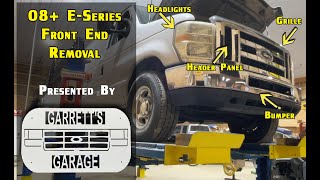
- Removing the front bumper, grille, and headlights. 🎬 Watch: Step-by-step Ford E-Series front end removal guide
- Unbolting the fan shroud and removing the radiator. 🎬 Watch: How to replace a Ford Econoline radiator
- Unbolting the old support from the vehicle's frame rails and fenders.
- Transferring any attached components (like the hood latch) to the new support.
- Installing the new support and reassembling everything in reverse order.
Cost Comparison
The cost can vary significantly based on the part source and labor rates.
| Part/Service | Estimated Cost | Notes |
|---|---|---|
| New OEM | N/A | Part is discontinued by Ford. |
| New Aftermarket | $250 - $400 | Fitment can sometimes be a concern. |
| Used OEM | $150 - $350 | Best value, provided it's rust-free. Price depends on condition and source. |
| Shop Labor | $600 - $1200+ | Based on 5-8 hours at $120-$150/hr. Labor is the largest part of the cost. |
Frequently Asked Questions (FAQ)
Can I drive with a rusted or damaged radiator support?
It is not recommended. A slightly damaged support may be drivable for a short time, but a severely rusted or bent support is a safety hazard. It compromises the structural integrity of the front end, can cause other parts to fail (like the radiator or hoses), and may make the vehicle unsafe in a collision.
Why does this part fit E-Series vans but not the F-350 pickup?
While the 1999-2007 E-Series and the F-Series Super Duty trucks from the same era share some powertrain options, their front-end body structures are different. The radiator support is designed to match the specific fenders, grille, and frame rail spacing of the E-Series van body. The F-350 part will not bolt up correctly.
Why won't this fit a stripped chassis model?
Stripped chassis models, often used for box trucks and RVs, leave the Ford factory with an incomplete front end. The final outfitter (the company that builds the box or RV body) often installs a different, sometimes heavier-duty, front clip and cooling system, so the standard van radiator support is not compatible.
Is welding required to replace this part?
No. On the 1999-2007 Ford E-Series vans, the radiator support is a bolt-in component. It is attached to the frame rails and inner fenders with bolts, not spot welds. This makes it accessible for replacement without specialized body shop welding equipment.
🎬 See this step-by-step radiator core support replacement walkthroughHelpful Videos
Technical Specifications
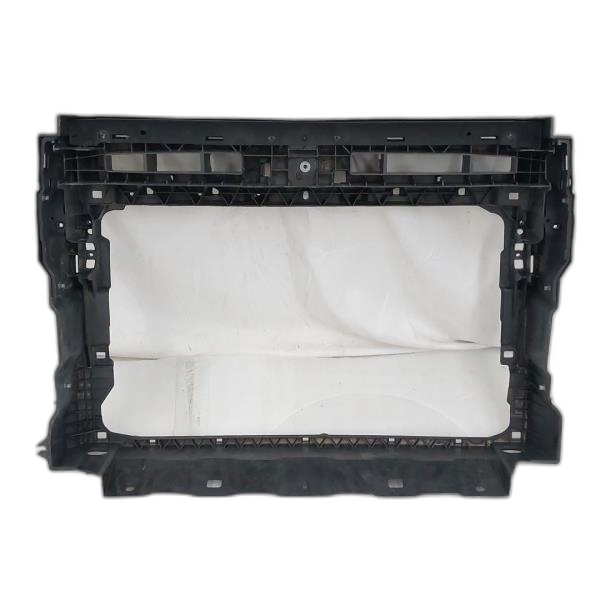
OEM Part Numbers: 4C2Z-16138-AA 4C2Z16138AA F7UZ-16138-AP XC2Z-16138-AA XC2Z16138AA
Material: Stamped Steel. Installation: Bolt-in.
We Have This Part in Stock


The information in this article is provided for general reference and educational purposes only. Vehicle specifications, procedures, and part compatibility can vary by production date, trim level, and region. Always consult your vehicle's factory service manual and verify part numbers before purchasing or performing repairs. Safety-critical components such as airbags, seat belts, and braking systems should be installed by a qualified professional.
- Ford E-350 Super Duty:
- Ford E-150:
- Ford E-250:
- Ford F-350 Super Duty:
- 🎬 Helpful Videos
- 🛍️ Shop This Part
- Symptoms of a Failing Radiator Support
- 1. Visible Rust and Corrosion
- 2. Poor Hood and Fender Alignment
- 3. Rattling or Clunking Noises
- 4. Overheating Issues
- Known Issues, TSBs, and Recalls
- Buying a Used Radiator Support: Inspection Guide
- Inspection Checklist:
- Replacement Overview and Difficulty
- Cost Comparison
- Frequently Asked Questions (FAQ)
- 🎟️ Get 5% Off