

2004-2007 Impreza & 2004-2006 Baja Radiator: Avoiding Overheating and Cracked Plastic End Tanks
This guide covers common radiator failures, crucial manual vs. automatic transmission differences, and step-by-step replacement for the Subaru Impreza and Baja.
- The most critical step is verifying if your vehicle has a manual or automatic transmission; the radiators are not interchangeable.
- The most common failure point is the plastic end tanks cracking where they meet the aluminum core.
- Properly bleeding all air from the cooling system after installation is essential on a Subaru to prevent overheating.
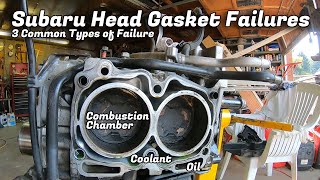
- Symptoms of a bad radiator (overheating, coolant loss) can overlap with head gasket failure; a professional diagnosis may be needed.
Symptoms of a Failing Radiator
A bad radiator can leave you stranded. Watch for these signs to catch a problem before it becomes a major engine repair. The most common failure on these radiators is a crack developing in the plastic end tanks where they are crimped to the aluminum core.
- Engine Overheating: This is the most critical symptom. You may see the temperature gauge climb into the red, or a warning light may illuminate. You might also notice smoke or steam coming from under the hood.
- Coolant Leaks: Finding puddles of bright green, yellow, or pink fluid under the front of your car is a sure sign of a leak. The fluid has a distinct sweet smell. Leaks often occur at the seams where the plastic end tanks meet the aluminum core.
- Low Coolant Level: If you frequently have to top off your coolant reservoir, you likely have a leak somewhere in the system.
- Discolored or Sludgy Coolant: The coolant in your overflow tank should be a bright, translucent color. If it looks rusty, brown, or has the consistency of sludge, it indicates internal corrosion or contamination, which can clog the radiator and lead to failure.
- Poor Heater Performance: The car's cabin heater uses hot coolant to warm the air. If the coolant level is low or the radiator is clogged, your heater may blow cold or lukewarm air.
Known Issues, Recalls, and TSBs
While there are no major recalls specifically for the radiator on these models, there are well-known issues and a related service bulletin to be aware of.
Common Failure: Cracked Plastic End Tanks
The most frequent point of failure for the original radiators in the 2004-2007 Subaru Impreza and 2004-2006 Subaru Baja is the plastic end tanks. Over many years and thousands of heat cycles, the plastic becomes brittle and can develop hairline cracks, typically where it is crimped to the aluminum core. This will start as a slow coolant weep, often visible as white or colored crusty residue, and will eventually become a significant leak causing overheating.
Subaru Baja Fan Relay TSB (WVB-12)
Subaru Baja owners should be aware of a technical service bulletin campaign (WVB-12) related to the radiator fan relay. The relay could stick in the 'on' position, causing the fan to run continuously. This could lead to a voltage spike that damages the Engine Control Unit (ECU). While not a radiator failure itself, it's a critical related component of the cooling system.
Is It the Radiator or a Head Gasket?
Subarus of this era are known for potential head gasket issues, which can mimic the symptoms of a bad radiator (e.g., overheating, coolant loss). A key way to differentiate is to have a mechanic perform a chemical test to check for exhaust gases in the coolant. 🎬 See how to perform a chemical test for head gasket leaks. Bubbles appearing in the coolant overflow tank when the engine is running can also be a sign of a head gasket leak. If you have a radiator leak and exhaust gases in your coolant, you may have both problems.
Variant Differences: Manual vs. Automatic Transmission
Warning: This is the most important compatibility check. Radiators for manual and automatic transmission vehicles are NOT interchangeable.
The radiator for vehicles with an automatic transmission has an extra integrated circuit at the bottom to cool the transmission fluid. It has two additional small ports for the transmission cooler lines to attach.
The radiator for vehicles with a manual transmission does NOT have this extra circuit and will not have the ports for the transmission cooler lines.
- Manual Transmission OEM Part Numbers: 45111FE100, 45111FE101, 45111FE102 (all superseded by 45119FE000)
- Automatic Transmission OEM Part Number (example): 45111AE00A
Always confirm which transmission your vehicle has before ordering a part. Using a manual radiator in an automatic vehicle is impossible without a separate, external transmission cooler, and an automatic radiator in a manual vehicle will leave the transmission cooler ports unused and open to contamination.
Buying a Used Radiator: What to Look For
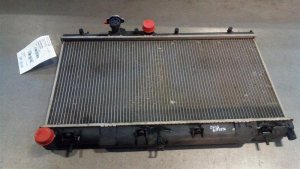
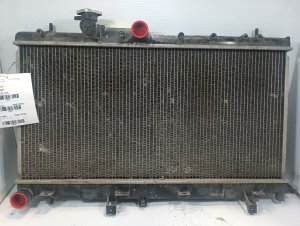
A used OEM radiator can be a great value, often performing better and lasting longer than a cheap aftermarket alternative. Here’s what to inspect before you buy:
- Inspect the End Tanks: This is the most critical step. Look for any hairline cracks, especially along the seam where the plastic meets the aluminum. Check for chalky white or discolored residue, which indicates a past or current leak.
- Check the Fins: A few bent fins are normal and can be carefully straightened with a small screwdriver. However, large areas of crushed or damaged fins will reduce the radiator's cooling ability.
- Look Inside: If possible, look into the inlet and outlet ports. Check for heavy corrosion or a build-up of sludgy, rust-colored deposits. This indicates the radiator may be clogged internally.
- Verify the Transmission Type: Count the ports. A manual radiator will have only two large ports (upper and lower coolant hoses). An automatic radiator will have those two plus two smaller ports for the transmission cooler lines.
- Mileage: While any used part has a limited lifespan, radiators are not typically a high-wear item based on mileage alone. Condition is more important. A radiator from a 100,000-mile vehicle that is clean and shows no signs of leaks can be a better choice than one from a 50,000-mile vehicle that looks corroded or has discolored plastic.
Cost Breakdown
Prices can vary based on location and supplier. These are typical estimates to help you understand the value of different options.
| Part Type | Estimated Cost |
|---|---|
| New OEM (Manual, P/N 45119FE000) | $305 - $385 |
| New OEM (Automatic, P/N 45111AE00A) | $295 - $440 |
| New Aftermarket (e.g., Duralast) | $150 - $220 |
| Used OEM | $75 - $125 |
| Shop Labor | $200 - $450 (1.5-3 hours) |
DIY Replacement Guide
Replacing the radiator is a manageable DIY job for most home mechanics. The most critical part of the process is properly bleeding the air out of the system afterward.
Pro Tip: While you have the radiator out, it's a great time to replace the upper and lower radiator hoses, the thermostat, and the radiator cap. These are inexpensive parts that can cause major headaches if they fail.
- Safety First: Ensure the engine is completely cold. Never open a hot cooling system.
- Drain Coolant: Place a large drain pan under the radiator. Open the drain plug (petcock) at the bottom of the radiator to drain the coolant.
- Remove Hoses: Disconnect the large upper and lower radiator hoses from the radiator. Be prepared for some leftover coolant to spill. If you have an automatic, disconnect the two smaller transmission cooler lines.
- Remove Fans & Brackets: Disconnect the electrical connectors for the two radiator fans. Remove the two top mounting brackets that hold the radiator in place (typically 12mm bolts).
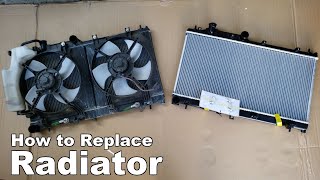
- Remove Radiator: The radiator and fan assembly should now be free to be lifted straight up and out of the vehicle. 🎬 Watch this step-by-step radiator replacement walkthrough for your Subaru.
- Swap Components: Lay the old and new radiators side-by-side. Carefully unbolt the fan shrouds from the old radiator and transfer them to the new one. Also transfer the rubber mounting grommets from the bottom.
- Install New Radiator: Carefully lower the new radiator assembly into place, making sure the bottom posts seat correctly in the frame grommets. Re-install the top mounting brackets, reconnect all hoses, and plug in the fan connectors.
- Refill and Bleed the System (CRITICAL STEP): This is the most important part for a Subaru.
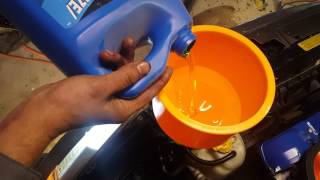
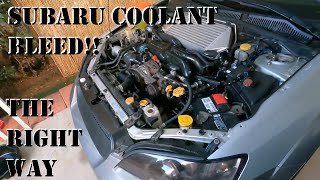
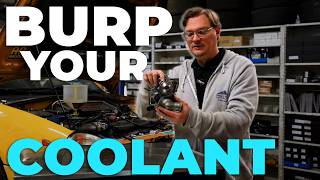
- Use a spill-free funnel kit attached to the highest radiator cap 🎬 Watch: How to properly bleed air from a Subaru cooling system. (on the radiator itself or the upper reservoir on turbo models).
- Jack up the front of the car to help air travel to the highest point.
- Slowly fill the system with a 50/50 mix of Subaru-approved coolant and distilled water until the funnel is about half full.
- Turn the car on and set the cabin heater to full blast, with the fan on low.
- Let the engine idle. You will see bubbles coming up through the funnel. Continue to add coolant to keep the funnel partially full.
- Wait for the engine to reach operating temperature and the radiator fans to cycle on and then off. This indicates the thermostat has opened.
- Once the bubbling stops, shut off the engine and let it cool completely.
- Once cool, remove the funnel, top off the radiator if needed, and secure the cap. Fill the plastic overflow reservoir to the 'FULL' line.
- Let the car sit overnight and re-check the coolant level in the radiator and reservoir in the morning before starting.
Warning: Do not overtighten the plastic radiator drain plug. It does not have a specific torque spec and should be tightened just until snug. Overtightening can easily crack the plug or the radiator tank.
Frequently Asked Questions (FAQ)
Can I use a manual transmission radiator in my automatic Impreza?
No. The automatic transmission requires coolant lines to run through the radiator to cool the transmission fluid. A manual radiator does not have these connections, and your transmission will overheat and fail.
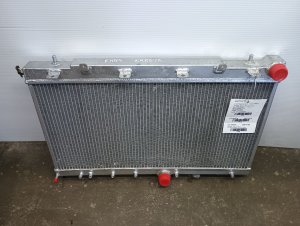
Is an all-aluminum aftermarket radiator better than the OEM style?
It can be. A fully-welded aluminum radiator eliminates the plastic end tanks, which are the most common failure point. For performance applications or for owners who want maximum durability, it can be a worthwhile upgrade. For a daily driver, a quality OEM-style replacement (with plastic tanks) or a used OEM unit is often sufficient and more cost-effective.
Why is my car still overheating after replacing the radiator?
If you've replaced the radiator and it's still overheating, the most likely cause is air trapped in the cooling system. Subarus are very sensitive to this. You must perform the bleeding procedure correctly. Other potential causes include a faulty thermostat, a failing water pump, or a more serious issue like a blown head gasket.
What kind of coolant should I use?
Always use a phosphate-based coolant that is specifically formulated for Asian vehicles. The Subaru OEM blue "Super Coolant" is ideal. Using the wrong type of coolant (like a conventional green silicate-based coolant) can lead to corrosion and premature failure of cooling system components.
Helpful Videos


Technical Specifications
OEM Part Numbers: 45111FE100 45111FE101 45111FE102 45119FE000 (Manual Transmission) 45111AE00A (Automatic Transmission)
Core Material: Aluminum; Tank Material: Plastic
We Have This Part in Stock



The information in this article is provided for general reference and educational purposes only. Vehicle specifications, procedures, and part compatibility can vary by production date, trim level, and region. Always consult your vehicle's factory service manual and verify part numbers before purchasing or performing repairs. Safety-critical components such as airbags, seat belts, and braking systems should be installed by a qualified professional.
- Subaru Impreza:
- Subaru Baja:
- 🎬 Helpful Videos
- 🛍️ Shop This Part
- Symptoms of a Failing Radiator
- Known Issues, Recalls, and TSBs
- Common Failure: Cracked Plastic End Tanks
- Subaru Baja Fan Relay TSB (WVB-12)
- Is It the Radiator or a Head Gasket?
- Variant Differences: Manual vs. Automatic Transmission
- Buying a Used Radiator: What to Look For
- Cost Breakdown
- DIY Replacement Guide
- Frequently Asked Questions (FAQ)
- 🎟️ Get 5% Off