

The 2005-2010 Nissan Radiator 'SMOD' Failure: Pathfinder, Frontier, Xterra & Equator
A complete guide to the infamous radiator failure that mixes transmission fluid and coolant, causing catastrophic transmission damage in these Nissan and Suzuki trucks and SUVs.
- The primary reason for replacement is to prevent the 'Strawberry Milkshake of Death' (SMOD), where a radiator defect destroys the transmission.
- This issue affects 2005-2010 automatic transmission models of the Nissan Pathfinder, Frontier, Xterra, and the 2009-2010 Suzuki Equator.
- The safest preventative measure is to bypass the internal transmission cooler with a separate, external cooler.
- When buying a used radiator, you MUST verify it has a revised, safe part number (like 21460-9CA0E) to avoid installing another faulty unit.
The 'Strawberry Milkshake of Death' (SMOD): The Core Problem

The most significant and well-known issue with the radiator in the 2005-2010 Nissan Pathfinder, Nissan Frontier, Nissan Xterra, and 2009-2010 Suzuki Equator is a catastrophic failure nicknamed the "Strawberry Milkshake of Death" or SMOD. This problem occurs in models with automatic transmissions. The issue stems from a defect in the original factory radiator, where the internal barrier between the engine coolant and the automatic transmission fluid cooler ruptures. When this happens, the higher-pressure transmission fluid is forced into the cooling system, and coolant is drawn into the transmission. The resulting mixture is a pink, milky substance that resembles a strawberry milkshake, which gives the failure its name. 🎬 Watch: See what a real SMOD failure looks like This contamination quickly destroys the sensitive electronic components and clutches inside the transmission, leading to complete transmission failure that can cost thousands of dollars to repair.
Warning: This failure can happen with little to no warning. By the time symptoms like transmission slipping or harsh shifting appear, significant and often irreversible damage has already occurred. This issue affects the V6 models with automatic transmissions. The Suzuki Equator is a rebadged Nissan Frontier and is also susceptible to SMOD.
Symptoms of a Failing Radiator

It's important to distinguish between general radiator failure and the specific SMOD failure.
Symptoms of SMOD (Coolant/Transmission Contamination)
- Pink, Foamy Fluid: The most definitive sign is a pink, frothy substance in the radiator overflow tank or on the transmission fluid dipstick.
- Transmission Performance Issues: Sudden onset of transmission slipping, hesitation between gears, harsh shifting, or a shuddering/rumbling sensation while driving.
- Overheating: While also a symptom of general failure, the contamination can clog cooling passages and cause the engine to overheat.
General Radiator Failure Symptoms
- Coolant Leaks: Puddles of green, blue, or pinkish-red coolant under the front of the vehicle. Leaks often occur where the plastic end tanks are crimped to the aluminum core.
- Engine Overheating: The temperature gauge climbing into the red zone, especially while idling or in stop-and-go traffic.
- Low Coolant Light: A dashboard warning indicating the coolant level is low, often due to a leak.
- Sweet Smell: The smell of hot coolant (ethylene glycol) from the engine bay is a sign of an external leak.
- Visible Corrosion or Damage: White or greenish crusty deposits on the radiator fins, or bent fins that restrict airflow.
Known Issues, TSBs, and Recalls

The SMOD issue was so widespread that it resulted in a class-action lawsuit against Nissan. This settlement provided an extended warranty for the radiator and transmission on affected 2005-2010 Nissan Pathfinder, Frontier, and Xterra models, but this coverage has since expired for all vehicles. There were no official recalls issued by Nissan for this specific problem. Forum users have identified several original part numbers as being prone to failure, while later part numbers are considered safe replacements.
The 2009-2010 Suzuki Equator was not included in the Nissan lawsuit or warranty extension, despite being mechanically identical to the Frontier and suffering from the same defect. Searches of the NHTSA database show no recalls for the Equator related to the radiator or transmission.
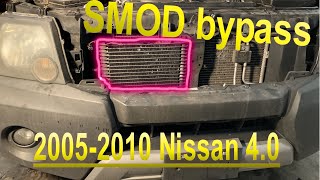
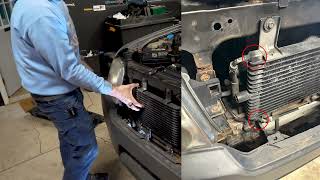
Pro Tip: The safest long-term solution is to prevent SMOD entirely. This can be done by bypassing the radiator's internal transmission cooler. You can re-route the transmission cooler lines to an inexpensive external, air-cooled transmission cooler, completely separating the two fluid systems. This is a popular and highly recommended modification in owner communities.
🎬 Watch: How to perform the SMOD bypass modificationBuying a Used Radiator: A Buyer's Guide

Buying a used radiator for these vehicles requires extra caution. While it can be a cost-effective option, getting the wrong one can lead to the very SMOD failure you're trying to fix.
- Verify the Part Number: This is the most critical step. Do not install a used radiator if it has one of the known problematic part numbers. Look for the updated, safer part numbers. The part number is typically on a sticker on top of the radiator. According to owner forums, part number 21460-9CA0E is a revised, safe OEM replacement. Avoid earlier part numbers like 21410-EA205 or 21460-EA215.
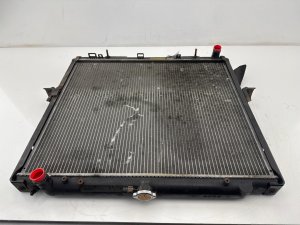
- Physical Inspection: Check the plastic end tanks for any hairline cracks, especially around the hose connections. Look for signs of corrosion (greenish-white buildup) on the aluminum core. Ensure the cooling fins are straight and not clogged with debris.
- Check the Inside: Look through the inlet and outlet ports. The inside should be relatively clean. A heavy brown coating suggests the previous owner neglected coolant changes.
- Mileage vs. Age: For this part, age is as much a concern as mileage. The plastic and seals degrade over time. A lower-mileage radiator from a newer vehicle (if a compatible revised part) is always preferable. Avoid any radiator that has been sitting dry for a long time, as seals can shrink and leak.
- Why Used OEM Can Be Better: A verified, used OEM radiator with a revised part number offers a guaranteed factory fit and is known to have resolved the SMOD issue. This can be a more reliable choice than a cheap, unproven aftermarket radiator with questionable build quality.
Cost of Replacement
The cost can vary significantly depending on whether you are just replacing the radiator as a preventative measure or dealing with the aftermath of SMOD.
| Part / Service | Estimated Cost |
|---|---|
| New OEM (Revised Part #21460-9CA0E) | $475 - $700 |
| New Aftermarket (Brands like CSF, Koyo, Denso) | $100 - $250 |
| Used OEM (Verified Revised Part) | $75 - $200 |
| Shop Labor (Radiator Only) | $250 - $400 |
| Total Job (DIY w/ Aftermarket Part) | $120 - $300 |
| Total Job (Shop w/ Aftermarket Part) | $350 - $650 |
| Total Job (Shop w/ New OEM Part) | $725 - $1,100 |
Note: These prices are for the radiator replacement only. If SMOD has occurred, you must also factor in the cost of flushing both systems and repairing or replacing the transmission, which can add $3,000 to $5,000 or more to the total cost.
Related Parts to Replace
When replacing the radiator, it is highly recommended to replace other cooling system components that are inexpensive and accessible during the job.
- Radiator Hoses: The upper and lower radiator hoses can become brittle and weak over time. Replace them to prevent a future failure.
- Thermostat: This is a critical component for regulating engine temperature and is often accessible during a radiator replacement.
- Radiator Cap: A new cap ensures the system holds pressure correctly.
- Coolant: Always refill the system with fresh, new coolant that meets Nissan's specifications (typically Nissan Long Life Blue Coolant).
- Hose Clamps: It's good practice to replace the old spring-style clamps with new ones.
Frequently Asked Questions (FAQ)
Is my 2005-2010 Nissan or Suzuki definitely going to have the SMOD problem?
Not necessarily, but the risk is very high for automatic transmission models with the original, defective radiator. Manual transmission vehicles are not affected. The only way to be certain is to check the part number on your radiator or proactively replace it or perform the bypass modification.
Can I just flush the transmission if SMOD happens?
In most cases, no. Once the coolant/ATF mixture circulates, it damages the transmission's internal electronics and clutch materials. A simple flush is rarely enough to save it. The transmission typically requires a full rebuild or replacement.
What is the 'radiator bypass' and should I do it?
The bypass involves disconnecting the transmission fluid lines from the radiator and routing them to a new, separate external cooler mounted in front of the radiator. This completely eliminates the risk of SMOD. It is a highly recommended preventative measure, especially for those in warmer climates or who tow.
Is a cheap aftermarket radiator safe to use?
Any new aftermarket radiator from a reputable brand is built to solve the SMOD problem. Brands like Koyo, Denso, CSF, and Mishimoto are popular choices. They are a safe and cost-effective alternative to the expensive OEM part for preventing SMOD. The main difference may be in long-term durability compared to a revised OEM unit.
Are there any special steps for installation?
The replacement is straightforward for a moderately skilled DIYer. Key steps include draining the system, disconnecting all hoses (coolant and transmission), removing the fan shroud and mounting brackets, and swapping the unit. The most important final step is to properly bleed all air from the cooling system after refilling to prevent overheating.
Helpful Videos
Technical Specifications
OEM Part Numbers: 21460-9CA0E 21410ZL31A 21460EA215 21460ZL11A 1770082Z20
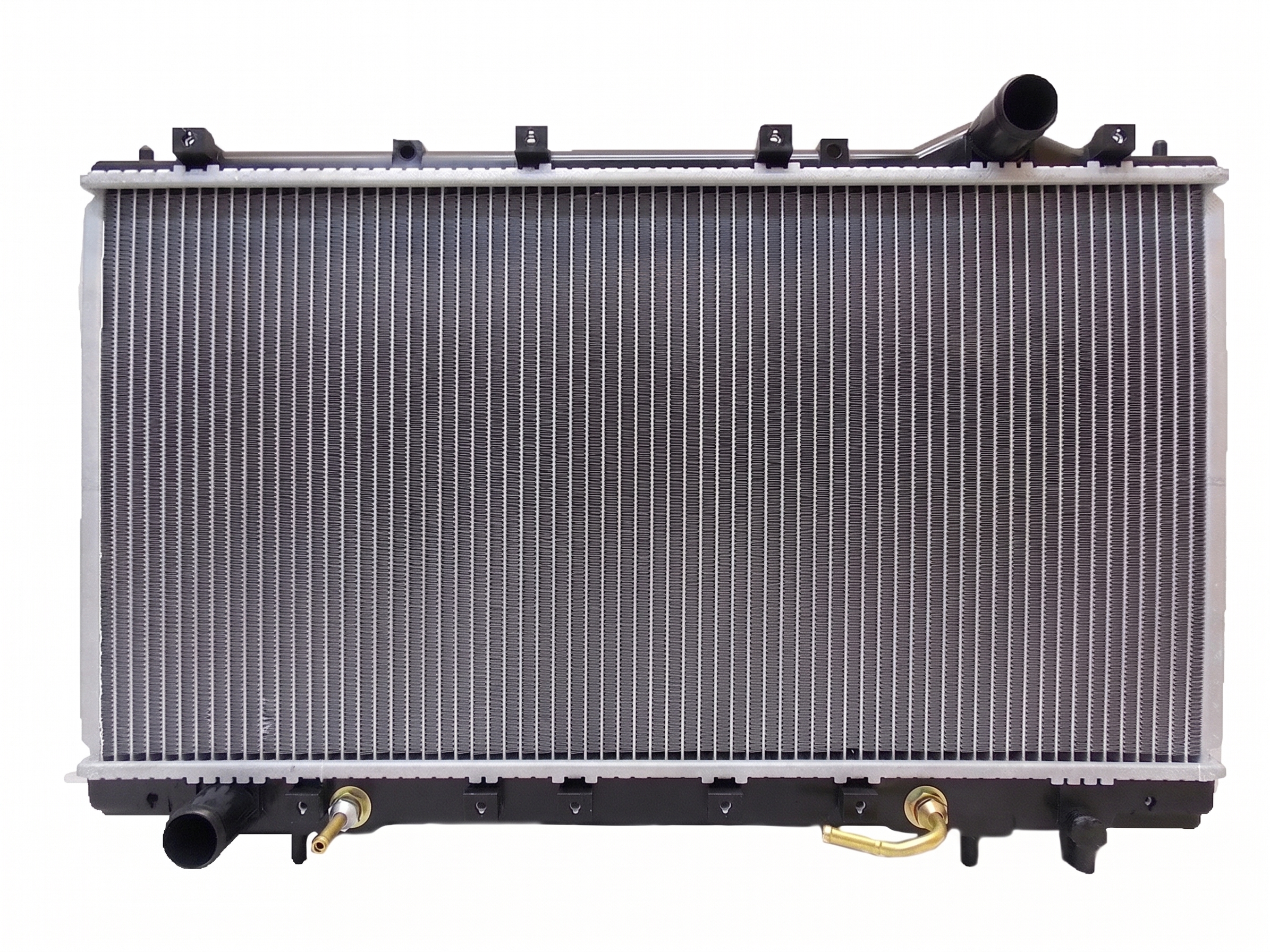
Core Material: Aluminum; Tank Material: Plastic. Utilizes an integrated automatic transmission fluid cooler which is the primary point of failure in original units.
We Have This Part in Stock

The information in this article is provided for general reference and educational purposes only. Vehicle specifications, procedures, and part compatibility can vary by production date, trim level, and region. Always consult your vehicle's factory service manual and verify part numbers before purchasing or performing repairs. Safety-critical components such as airbags, seat belts, and braking systems should be installed by a qualified professional.
- Nissan Pathfinder:
- Nissan Frontier:
- Nissan Xterra:
- Suzuki Equator:
- 🎬 Helpful Videos
- 🛍️ Shop This Part
- The 'Strawberry Milkshake of Death' (SMOD): The Core Problem
- Symptoms of a Failing Radiator
- Symptoms of SMOD (Coolant/Transmission Contamination)
- General Radiator Failure Symptoms
- Known Issues, TSBs, and Recalls
- Buying a Used Radiator: A Buyer's Guide
- Cost of Replacement
- Related Parts to Replace
- Frequently Asked Questions (FAQ)
- 🎟️ Get 5% Off