

2010-2023 Lexus GX460 Radiator: Diagnosing Pink Crust Leaks and Replacement Guide
This guide details how to identify common radiator failure, distinguish it from the notorious valley plate leak, and choose the right replacement part for your 4.6L V8.
- The most common sign of failure is a pink, crusty residue on the radiator's plastic end tanks, indicating a slow coolant leak.
- It's crucial to differentiate a radiator leak from the engine's 'valley plate leak,' which also shows pink residue but drips from the back of the engine onto the transmission.
- When replacing, always use Toyota's pink Super Long Life Coolant and properly bleed the system of air to prevent overheating.
- A used OEM (Denso) radiator is often a better choice than a cheap new aftermarket part due to superior fitment and material quality.
Symptoms of a Failing GX460 Radiator


Radiator failure on the GX460 is often a slow process rather than a sudden burst. Being aware of the early signs can help you avoid being stranded with an overheating engine.
Visible Coolant Leaks (The "Pink Crust")
The most common and specific symptom is the appearance of a pink, crusty residue on or around the radiator. This is dried Toyota Super Long Life Coolant. You will typically find these deposits where the plastic end tanks are crimped to the aluminum core, or around the upper radiator hose connection. A small leak may not even drip on the ground initially, as the heat from the engine can evaporate the water content, leaving just the pink residue.
Engine Overheating
If the leak progresses or the radiator becomes internally clogged, it will lose its ability to cool the engine effectively. The temperature gauge on your dashboard will climb past the halfway mark, especially under load, such as when towing, climbing hills, or sitting in traffic with the A/C on. If you see the gauge rising, it's a critical warning to stop the engine as soon as it is safe to do so to prevent severe damage.
Low Coolant Level
A leaking radiator will cause a gradual drop in the coolant level in the overflow reservoir. You may need to top it off periodically. If you find yourself adding coolant regularly, there is a leak somewhere in the system that needs to be found and fixed.
Sweet Smell
Engine coolant (antifreeze) has a distinct sweet smell. If you notice this smell around the front of your vehicle after it has been running, it's a strong indicator that coolant is leaking and vaporizing on a hot surface.
Collapsing Upper Radiator Hose
After the engine has completely cooled down, you might notice the large upper radiator hose is sucked flat or collapsed. This is often caused by a faulty radiator cap that is not allowing vacuum to be released and draw coolant back from the overflow tank as the system cools. While the cap itself may be the problem, it's a cooling system issue that warrants a full inspection.
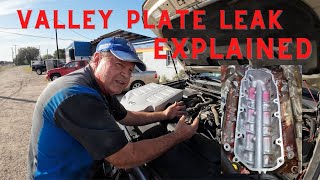
Important: The GX460's 1UR-FE engine is also known for a coolant valley plate leak. This issue can also cause a low coolant level and pink residue, but the leak originates from under the intake manifold in the 'valley' of the engine. The coolant often runs down the back of the engine and drips off the transmission bell housing. 🎬 Watch: How to DIY a valley plate leak repair It's crucial to correctly identify the source of the leak before replacing parts. A radiator leak will be visible at the front of the vehicle, while a valley plate leak is best seen from underneath, looking up at where the engine and transmission meet.
🎬 See an expert mechanic explain the valley plate leakKnown Issues, Recalls, and TSBs
As of early 2026, there are no specific recalls or Technical Service Bulletins (TSBs) issued by Lexus for radiator failure on the 2010-2023 GX460. The failures that occur are generally considered wear-and-tear items. The most common failure point is the plastic end tanks developing hairline cracks over time due to thousands of heat cycles.
There are numerous recalls for this vehicle range, but they pertain to issues like the fuel pump and airbags, not the cooling system.
A related TSB, L-SB-0039-20, provides updated diagnostic tips for non-electric water pump leaks, which can be another source of coolant loss in the same area.
Buying a Used 2010-2023 GX460 Radiator: What to Look For

A used OEM radiator can be a smart, cost-effective choice, often providing better quality and fit than a cheap, new aftermarket part. The original equipment manufacturer for Lexus is typically Denso, a brand known for its quality. Here’s what to inspect:
- Inspect the Plastic End Tanks: This is the most critical inspection point. Look for any signs of hairline cracks, especially around the hose connections and the crimped seams where the plastic meets the aluminum core. The plastic should be a uniform black color. Discolored, chalky, or brownish plastic is a sign of age and heat fatigue, making it brittle and prone to failure.
- Check for Pink Stains: Carefully examine the entire radiator, especially the seams and hose connections, for any pink or white crusty residue. This is a dead giveaway of a past or current leak.
- Examine the Cooling Fins: The thin aluminum fins between the coolant channels should be straight and clean. A few bent fins are acceptable and can be carefully straightened with a small screwdriver, but large areas of crushed fins will reduce cooling efficiency.
- Inspect Cooler Line Fittings: Check the threaded fittings for the integrated transmission cooler. Ensure the threads are clean and undamaged to guarantee a leak-free connection.
- Mileage vs. Condition: While lower mileage is always better, the physical condition is more important. A radiator from a 100,000-mile vehicle that shows no signs of cracking or leaking is a better bet than one from a 50,000-mile vehicle that has discolored plastic tanks. Radiators are a wear item, and failure is typically related to age and heat cycles more than just mileage.
Cost Comparison: New vs. Used GX460 Radiator
Prices can vary based on supplier and location. Here is a general cost breakdown:
| Part Type | Estimated Cost | Notes |
|---|---|---|
| New OEM | $280 - $700 | Price varies significantly between online discounters and the dealership parts counter. |
| New Aftermarket | $80 - $260 | A wide range of quality exists. Brands like Denso are OEM-equivalent, while cheaper options may have fitment or longevity issues. |
| Used OEM | $125 - $250 | Offers the best value, providing OEM quality and fit at a significant discount. Price depends on condition and mileage. |
| Shop Labor | $305 - $450 | Independent shops are typically more affordable than dealerships. |
Related Parts to Replace with the Radiator
When replacing the radiator, you have easy access to several other cooling system components. Replacing them at the same time is wise preventative maintenance and saves on future labor costs.
- Radiator Hoses: The upper and lower radiator hoses become brittle and weak over time. It's highly recommended to replace them with the radiator.
- Thermostat: This part controls coolant flow and is critical for proper engine temperature. It's inexpensive and located in a housing that is often removed or loosened during the job.
- Radiator Cap: The cap holds pressure in the system. A faulty cap can cause overheating or prevent coolant from returning from the overflow tank. Always use a new, high-quality cap.
- Water Pump: While a more involved job, if your vehicle has high mileage (over 100,000 miles), replacing the water pump at the same time can be a smart move as much of the disassembly is already done.
Installation Tips and Procedures

Replacing the GX460 radiator is a moderately difficult job that a skilled DIYer can perform.
- Bumper Removal: While some mechanics can replace the radiator without removing the front bumper, it is very difficult to access the lower mounting bolts. For most DIYers, removing the front bumper cover is recommended to gain clear access.
- Special Tools: A set of remote cable-operated hose clamp pliers is almost essential for removing the spring clamps on the lower radiator hose and transmission cooler lines, as access is very tight.
- Coolant: Only use Toyota Super Long Life 50/50 Pre-Diluted Coolant (Pink). Do not use universal or other color coolants, as they can cause corrosion or gelling issues.
- Bleeding the System: After refilling, you must bleed all air from the cooling system. Trapped air can cause overheating. Use a spill-proof funnel kit attached to the radiator neck, fill it partway, and run the engine with the heater on high. Let it run until no more air bubbles come up into the funnel.
Frequently Asked Questions (FAQ)
What kind of coolant does the 2010-2023 Lexus GX460 use?
The GX460 requires Toyota Super Long Life Antifreeze/Coolant, which is a pink, pre-mixed 50/50 ethylene-glycol based fluid. It is highly recommended to stick with this specific OEM fluid for best results and to prevent any potential cooling system issues.
How can I tell if I have a radiator leak or the common valley plate leak?
A radiator leak will show evidence (pink crusty stains) at the front of the engine bay, on the radiator itself, or dripping from under the front bumper area. A valley plate leak originates under the intake manifold and typically runs down the back of the engine, with drips often visible on the transmission bell housing when viewed from underneath the vehicle.
Can I use a stop-leak additive for a small radiator leak?
It is strongly advised not to use stop-leak products. While they may offer a temporary fix, they can clog the narrow passages in the radiator, heater core, and engine block, leading to much more severe overheating problems and costly repairs down the road. The only proper fix for a leaking radiator is replacement.
Is the GX460 radiator the same as a Toyota 4Runner radiator?
No, they are not the same part. While the GX460 is built on a similar platform to the Toyota 4Runner and Land Cruiser Prado, the 4.6L V8 engine and its cooling system components, including the radiator, are specific to the GX460 and are not interchangeable with parts from the V6-powered 4Runner.
Helpful Videos

Technical Specifications
OEM Part Numbers: 1640038250 1640038251 1640038252 1640038253 1640038290
Core Material: Aluminum, Tank Material: Plastic, Integrated Transmission Oil Cooler: Yes, Required Coolant: Toyota Super Long Life 50/50 Pre-diluted (Pink)
We Have This Part in Stock


The information in this article is provided for general reference and educational purposes only. Vehicle specifications, procedures, and part compatibility can vary by production date, trim level, and region. Always consult your vehicle's factory service manual and verify part numbers before purchasing or performing repairs. Safety-critical components such as airbags, seat belts, and braking systems should be installed by a qualified professional.
- Lexus GX460:
- 🎬 Helpful Videos
- 🛍️ Shop This Part
- Symptoms of a Failing GX460 Radiator
- Visible Coolant Leaks (The "Pink Crust")
- Engine Overheating
- Low Coolant Level
- Sweet Smell
- Collapsing Upper Radiator Hose
- Known Issues, Recalls, and TSBs
- Buying a Used 2010-2023 GX460 Radiator: What to Look For
- Cost Comparison: New vs. Used GX460 Radiator
- Related Parts to Replace with the Radiator
- Installation Tips and Procedures
- Frequently Asked Questions (FAQ)
- 🎟️ Get 5% Off