

2007-2023 Jeep Wrangler Radiator: Common Leaks, Overheating, and Replacement Guide
This guide covers the common failure points in JK and JL Wrangler radiators, helping you diagnose issues and understand the value of a quality used OEM replacement.
- The most common failure on Jeep Wrangler radiators is a leak from the seam where the plastic side tanks are crimped to the aluminum core.
- The Jeep Wrangler JL (2018+) has a known radiator leak issue addressed by TSB 07-002-18 REV. A.
- When replacing the radiator, it is highly recommended to also replace the radiator hoses, thermostat, and radiator cap to prevent future failures.
- Ensure you use the correct type of coolant for your model year (HOAT for older JKs, OAT for newer JK/JLs) as mixing them can cause damage.
Symptoms of a Failing Radiator

A faulty radiator can lead to serious engine damage if ignored. Watch for these clear warning signs that your Wrangler's radiator needs attention.
- Engine Overheating: This is the most critical symptom. If your temperature gauge consistently climbs into the hot zone, especially during idle or under load, the radiator may not be cooling effectively.
- Visible Coolant Leaks: Finding puddles of green, pink, or orange fluid under the front of your Jeep is a sure sign of a leak. On Wranglers, leaks often occur where the plastic side tanks are crimped to the aluminum core. You may see dried, crusty coolant residue on the bottom of the radiator.
- Sweet Smell: The distinct, sweet smell of antifreeze is a common indicator of a coolant leak, even if you can't see it. The odor is often more noticeable when the engine is hot.
- Low Coolant Level: Frequently needing to add coolant to the overflow reservoir means you have a leak somewhere in the system.
- Hissing or Gurgling Noises: Sounds of hissing or bubbling from the engine bay after shutting off the vehicle can indicate that the system is losing pressure due to a leak or a faulty radiator cap.
- Discolored or Sludgy Coolant: Coolant should be a clean, bright color. If the coolant in your reservoir looks rusty, brown, or has debris in it, it can indicate internal corrosion or blockages in the radiator.
Generation & Engine Differences (JK vs. JL)

It is crucial to select the correct radiator for your specific Wrangler generation and powertrain, as they are not interchangeable.
Jeep Wrangler JK (2007-2018)
The JK generation used two primary engines: the 3.8L V6 (2007-2011) and the 3.6L Pentastar V6 (2012-2018). While the core design is similar, part numbers may differ. Radiators for these models are a conventional design with plastic end tanks and an aluminum core. Leaks at the seams are a very common failure point on JKs.
🎬 Watch: Step-by-step JK 3.6L radiator replacement guideJeep Wrangler JL (2018-2023)
The JL platform introduced more powertrain options, including the 3.6L Pentastar V6 (with and without eTorque), a 2.0L Turbo, and a 3.0L EcoDiesel. Each of these may require a different radiator due to varying cooling needs and mounting points. The JL generation has a known issue with radiator leaks, leading to a Technical Service Bulletin (TSB).
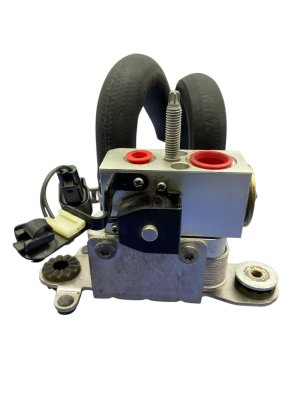
🎬 Watch: How to replace a JL radiatorCompatibility Warning: The term "radiator" or "cooler" on JL models can be confusing. Models with the eTorque mild-hybrid system have a separate, smaller heat exchanger for battery cooling. This is NOT the main engine radiator. Always verify you are purchasing the correct part for your engine type.
Known Issues, TSBs, and Recalls

While there have been no major safety recalls issued by the NHTSA for radiator failure on the 2007-2023 Wrangler, several Technical Service Bulletins (TSBs) have been released to address common coolant leak problems.
- TSB 07-002-18 REV. A: This bulletin was issued for early-production 2018 Jeep Wrangler JL models concerning coolant leaks from the radiator. It provides dealers with procedures for inspection and replacement.
- TSB 09-015-23: Released for 2023 Jeep Gladiator and Wrangler models, this TSB addresses potential coolant leaks from a lower radiator hose that may not have been seated properly during manufacturing.
Buying a Used Radiator: What to Look For

A high-quality, low-mileage used OEM radiator can be a reliable and cost-effective alternative to an expensive new part or a poorly fitting aftermarket one. Here’s how to inspect a used radiator:
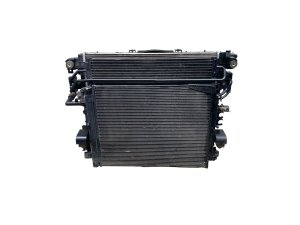
- Check the Plastic End Tanks: This is the most common failure point. Carefully inspect the black plastic tanks on the sides of the radiator for any hairline cracks, especially around the hose connections and mounting points.
- Examine the Seams: Look closely at the area where the aluminum core is crimped to the plastic end tanks. Look for any signs of white, pink, or green crusty residue, which indicates a past or current leak.
- Inspect the Fins: The thin aluminum fins should be mostly straight. While a few bent fins are acceptable and can be carefully straightened with a small screwdriver, large areas of flattened fins will reduce cooling efficiency. Avoid radiators with heavy damage or corrosion on the fins.
- Look Inside the Inlets/Outlets: Shine a light inside the hose connections. Look for heavy corrosion or a build-up of sludgy deposits, which could suggest the previous vehicle had a poorly maintained cooling system.
- Verify Part Numbers: Whenever possible, match the OEM part number on the used radiator to the one you are replacing. This ensures correct fitment for your specific engine and transmission combination.
Pro Tip: An OEM used radiator is often superior to a cheap, new aftermarket part. OEM units are designed for perfect fitment of hoses, fan shrouds, and A/C condenser mounts, which can be a problem with non-OEM parts.
Cost Comparison
Radiator replacement costs can vary significantly based on the part source and labor rates.
| Part Type | Estimated Cost |
|---|---|
| New OEM (Mopar) | $425 - $1,100 |
| New Aftermarket | $150 - $450 |
| Used OEM | $100 - $300 |
| Shop Labor | $235 - $360 |
Related Parts to Replace at the Same Time
Since you'll have the cooling system drained and accessible, it's smart to replace other wear items at the same time to prevent future problems.
- Radiator Hoses: The upper and lower radiator hoses are made of rubber and can become brittle, soft, or cracked over time. Replacing them is inexpensive preventative maintenance.
- Thermostat: This small valve controls coolant flow. If it fails, it can cause the engine to overheat or not warm up properly.
- Radiator Cap: The cap is critical for maintaining pressure in the cooling system. A weak cap can lower the boiling point of the coolant and lead to overheating.
- Coolant/Antifreeze: Always refill the system with fresh, new coolant that meets the manufacturer's specifications (OAT or HOAT, depending on the model year). Never reuse old coolant.
Frequently Asked Questions (FAQ)
Is it difficult to replace a Jeep Wrangler radiator myself?
For someone with moderate mechanical skill and basic hand tools, replacing a Wrangler radiator is a manageable DIY job that can be done in an afternoon. The basic steps involve draining the coolant, removing the grille, disconnecting hoses and the fan shroud, unbolting the old radiator, and installing the new one. The most critical final step is properly refilling and "burping" the system to remove all air pockets.
🎬 Watch: How to bleed your JK cooling systemWhat type of coolant does my Jeep Wrangler need?
Coolant types are critical and should not be mixed. Generally, 2007-2012 JK Wranglers use HOAT (Hybrid Organic Additive Technology) coolant, while 2013 and newer JK and JL models use OAT (Organic Additive Technology) coolant. Always confirm the correct type in your owner's manual or by the color of the existing coolant.
Why is my new radiator still causing overheating?
If you've replaced the radiator and still have overheating issues, the problem likely lies elsewhere. Common culprits include a faulty thermostat that isn't opening, a failing water pump that isn't circulating coolant, a malfunctioning radiator fan, or air trapped in the cooling system that needs to be bled out.
Does off-roading damage the radiator?
Yes, off-roading can increase the risk of radiator damage. Mud and debris can clog the fins, reducing airflow and cooling efficiency. Sticks or rocks kicked up on the trail can also physically damage the delicate fins or even puncture the core. Regular cleaning after off-roading is recommended.
Helpful Videos

Technical Specifications
OEM Part Numbers: 55056633AA 55056633AB 68049405AA 68143886AA 68314788AA 68314788AB 68409881AA 68409881AB 68409881AC
Core Material: Aluminum; Tank Material: Plastic
We Have This Part in Stock



The information in this article is provided for general reference and educational purposes only. Vehicle specifications, procedures, and part compatibility can vary by production date, trim level, and region. Always consult your vehicle's factory service manual and verify part numbers before purchasing or performing repairs. Safety-critical components such as airbags, seat belts, and braking systems should be installed by a qualified professional.
- Jeep Wrangler:
- 🎬 Helpful Videos
- 🛍️ Shop This Part
- Symptoms of a Failing Radiator
- Generation & Engine Differences (JK vs. JL)
- Jeep Wrangler JK (2007-2018)
- Jeep Wrangler JL (2018-2023)
- Known Issues, TSBs, and Recalls
- Buying a Used Radiator: What to Look For
- Cost Comparison
- Related Parts to Replace at the Same Time
- Frequently Asked Questions (FAQ)
- 🎟️ Get 5% Off