

2013-2016 Dodge Dart Radiator: A Guide to Leaks, Overheating, and Replacement
This guide covers common failure symptoms, replacement costs, and what to look for when buying a used radiator for your 2013-2016 Dodge Dart.
- The most common failure is a leak from the seams where the plastic end tanks are crimped to the aluminum core.
- You must use the correct OAT coolant meeting Chrysler spec MS-12106; using the wrong type can cause damage.
- Properly bleeding all air from the cooling system after installation is critical to prevent overheating.
- A quality used OEM radiator is often a superior choice in fit and performance compared to a new, low-cost aftermarket part.
Symptoms of a Failing Dodge Dart Radiator

A failing radiator can lead to serious engine damage if ignored. Watch for these common signs that your Dart's radiator may need attention.
- Coolant Puddles Under Car: This is the most obvious sign. The coolant for Dodge Darts is typically a bright orange or pink/purple color. If you see a puddle of this sticky fluid under the front of your car, you have a leak.
- Engine Overheating: If the temperature gauge on your dashboard consistently climbs above the halfway mark, especially in city traffic or when idling, your radiator may be clogged or leaking.
- Sweet Smell from Engine Bay: Antifreeze has a distinct sweet odor. If you smell this after driving, it's a strong indicator that coolant is leaking onto hot engine components.
- Low Coolant Level: You may get a low coolant warning light on your dash. Regularly checking the coolant reservoir is a good habit; a sudden or significant drop in the level points to a leak.
- Visible Corrosion or Stains: Look at the radiator itself. White or colored crusty residue, especially around the seams where the plastic end tanks meet the aluminum core, is a tell-tale sign of a slow leak. Modern radiators are typically made of aluminum with plastic side tanks, and leaks often develop at the seams or from cracks in the plastic.
Known Issues, Recalls, and TSBs
As of early 2026, there are no specific recalls issued by the National Highway Traffic Safety Administration (NHTSA) for the radiator itself on the 2013-2016 Dodge Dart. However, cooling system problems, in general, are a reported issue for these vehicles. Many owner complaints involve overheating, which can be caused by a variety of factors including a leaking radiator, a failed thermostat, or a malfunctioning radiator fan. While Dodge has issued numerous Technical Service Bulletins (TSBs) for the Dart, none point to a widespread manufacturing defect with the radiator, but some address related cooling system components and software updates.
Pro Tip: Overheating in a Dodge Dart is not always the radiator's fault. A faulty thermostat (a common issue causing code P0128), a bad water pump, or air pockets in the system can produce similar symptoms. Proper diagnosis is key before replacing parts.
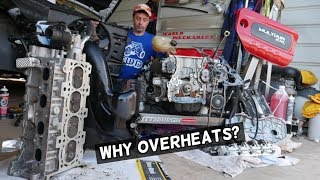
🎬 Watch: Top 7 reasons your Dodge Dart is overheatingBuying a Used 2013-2016 Dart Radiator: What to Look For

A used OEM Mopar radiator can be a smart and cost-effective choice, often providing better fit and quality than a cheap aftermarket alternative. Here’s what to inspect before you buy:
- Check for Leaks: Look for any signs of white, pink, or orange crusty residue, especially along the seams where the plastic tanks are crimped to the aluminum core. This indicates a past leak.
- Inspect the Fins: A few bent fins are normal and can be carefully straightened with a small screwdriver. However, large areas of crushed or damaged fins will reduce cooling efficiency and should be avoided.
- Examine Plastic Components: Carefully check the plastic end tanks, hose connections, and mounting points for any cracks, brittleness, or damage. These areas become brittle with age and heat cycles.
- Verify Compatibility: The same radiator part number, 55111483AD, fits all engine and transmission combinations for the 2013-2016 Dodge Dart (1.4L, 2.0L, and 2.4L engines). This part number supersedes older versions 55111483AB and 55111483AC.
- Consider Mileage: While there's no exact mileage for failure, radiators from lower-mileage vehicles (under 100,000 miles) are generally a safer bet. The lifespan of a radiator is typically 8-10 years, so even a low-mileage part is subject to age-related degradation.
Cost to Replace a Dodge Dart Radiator

The cost can vary significantly based on the parts you choose and who performs the labor. Here is an estimated breakdown:
| Part/Service | Estimated Cost | Notes |
|---|---|---|
| New OEM (Mopar) | $250 - $365 | This is for the part only, offering the best fit and quality. |
| New Aftermarket | $80 - $180 | Prices vary by brand. Fitment and cooling efficiency may not match OEM. |
| Used OEM | $75 - $150 | A cost-effective option that retains OEM quality. Price depends on condition and seller. |
| Shop Labor | $170 - $450 | Labor costs can range from 2-3 hours. Some estimates are higher. |
| Total Professional Replacement (New OEM Part) | $420 - $815 | This is a realistic range combining a new Mopar part and professional installation. |
Related Parts to Consider Replacing
Warning: When the cooling system is drained to replace the radiator, it's the perfect time to replace other wear-and-tear items. This is cost-effective and can prevent future failures.
- Radiator Hoses: The upper and lower radiator hoses become soft and brittle over time. Replacing them is cheap insurance against a future leak.
- Thermostat: A stuck thermostat is a common cause of overheating on the Dart. It's an inexpensive part that is much easier to access while the system is drained.
- Coolant: Always refill the system with fresh, new coolant. Never reuse old coolant.
Installation Tips and Special Procedures

Replacing the radiator on a Dodge Dart is a moderately difficult job that a skilled DIYer can accomplish in a few hours. Here are some critical steps:
- Use the Correct Coolant: The 2013-2016 Dodge Dart requires a specific OAT (Organic Additive Technology) coolant that meets Chrysler specification MS-12106. Mopar sells this as a 10-year/150,000-mile formula. Using the wrong type or mixing coolants can cause corrosion and damage the cooling system.
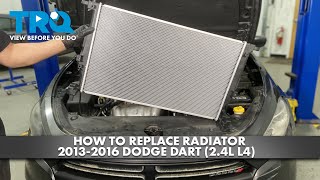
- Evacuate A/C System: The A/C condenser sits in front of the radiator. To remove the radiator, you must first have the refrigerant professionally evacuated from the A/C system. After installation, the system must be recharged by a shop. 🎬 See this step-by-step radiator replacement walkthrough
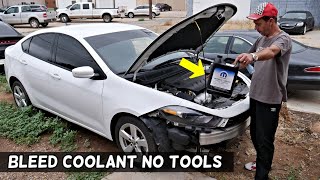
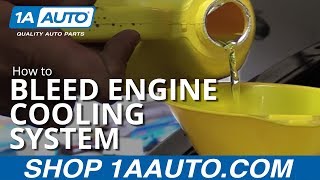
- Bleed the Cooling System: This is the most critical step after installation. Air pockets trapped in the system will cause overheating. To bleed the system, fill the coolant reservoir, leave the cap off, start the engine, and turn the heater on to the highest temperature and fan speed. Let the engine run until it reaches operating temperature, allowing the thermostat to open and air to escape. A spill-free funnel kit makes this process much easier and cleaner. 🎬 Watch: How to bleed the cooling system on a 2.4L engine
Frequently Asked Questions (FAQ)
What type of coolant does a 2013-2016 Dodge Dart use?
It uses an OAT (Organic Additive Technology) antifreeze that meets Chrysler specification MS-12106. It is typically purple or orange in color. Do not mix it with other coolant types.
Can I drive my Dart with a leaking radiator?
It is not recommended. A small leak can turn into a major one without warning, leading to rapid overheating and severe engine damage. If the temperature gauge is rising, pull over and shut off the engine immediately.
Is a used OEM radiator better than a new aftermarket one?
Often, yes. A good-condition used OEM (Mopar) radiator will have guaranteed fitment and was built to the manufacturer's original standards for cooling performance and material quality. Some cheap aftermarket radiators may have a lower fin density or use lower-grade materials, which can compromise cooling ability and longevity.
My car is still overheating after I replaced the radiator. What's wrong?
The most common reason is air trapped in the cooling system that needs to be properly bled out. Other possibilities include a faulty new thermostat, a malfunctioning radiator fan, a bad water pump, or a deeper issue like a blown head gasket.
Helpful Videos
Technical Specifications
OEM Part Numbers: 55111483AB 55111483AC 55111483AD
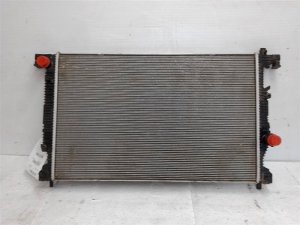
Core Height: 16.31 in, Core Width: 26.56 in, Flow Type: Crossflow, Material: Aluminum Core with Plastic Tanks.
We Have This Part in Stock

The information in this article is provided for general reference and educational purposes only. Vehicle specifications, procedures, and part compatibility can vary by production date, trim level, and region. Always consult your vehicle's factory service manual and verify part numbers before purchasing or performing repairs. Safety-critical components such as airbags, seat belts, and braking systems should be installed by a qualified professional.
- Dodge Dart:
- 🎬 Helpful Videos
- 🛍️ Shop This Part
- Symptoms of a Failing Dodge Dart Radiator
- Known Issues, Recalls, and TSBs
- Buying a Used 2013-2016 Dart Radiator: What to Look For
- Cost to Replace a Dodge Dart Radiator
- Related Parts to Consider Replacing
- Installation Tips and Special Procedures
- Frequently Asked Questions (FAQ)
- 🎟️ Get 5% Off