

2005-2008 Chrysler Pacifica Radiator: Leaks, Engine Fitment, and Replacement
This guide covers the critical differences between Pacifica radiators and how to diagnose common leaks from the plastic end tanks.
- The radiator is engine-specific; 2005-2006 models (3.5L/3.8L) use a different radiator than 2007-2008 models (3.8L/4.0L).
- The most common failure is a coolant leak from the plastic side tanks cracking due to age and heat cycles.
- Driving with a leaking or faulty radiator can lead to severe engine overheating and catastrophic damage.
- When replacing the radiator, it is best practice to also replace the radiator hoses, thermostat, and radiator cap.
Critical Compatibility Warning: 3.5L/3.8L vs. 4.0L Engines

Warning: The single most important factor when purchasing a radiator for a 2005-2008 Chrysler Pacifica is the engine size. There are two distinct radiator designs for this generation, and they are not interchangeable.
- 2005-2006 Pacifica (3.5L & 3.8L V6): These models use one style of radiator. Aftermarket listings often group these years and engines together.
- 2007-2008 Pacifica (3.8L & 4.0L V6): With the introduction of the 4.0L V6 in 2007, the radiator design changed. Radiators for these model years are different from the earlier ones. While some aftermarket parts claim to be universal, it is crucial to buy the specific part for your vehicle's model year and engine to ensure proper fitment of hoses and mounting points.
Always verify your vehicle's engine size and, if possible, the original OEM part number before ordering a replacement to avoid costly returns and project delays.
Symptoms of a Failing Radiator

Radiator failure on the Chrysler Pacifica is most often related to age and heat cycles causing the materials to degrade. Unlike a noisy water pump, a failing radiator's symptoms are usually visual or temperature-related.
1. Coolant Leaks
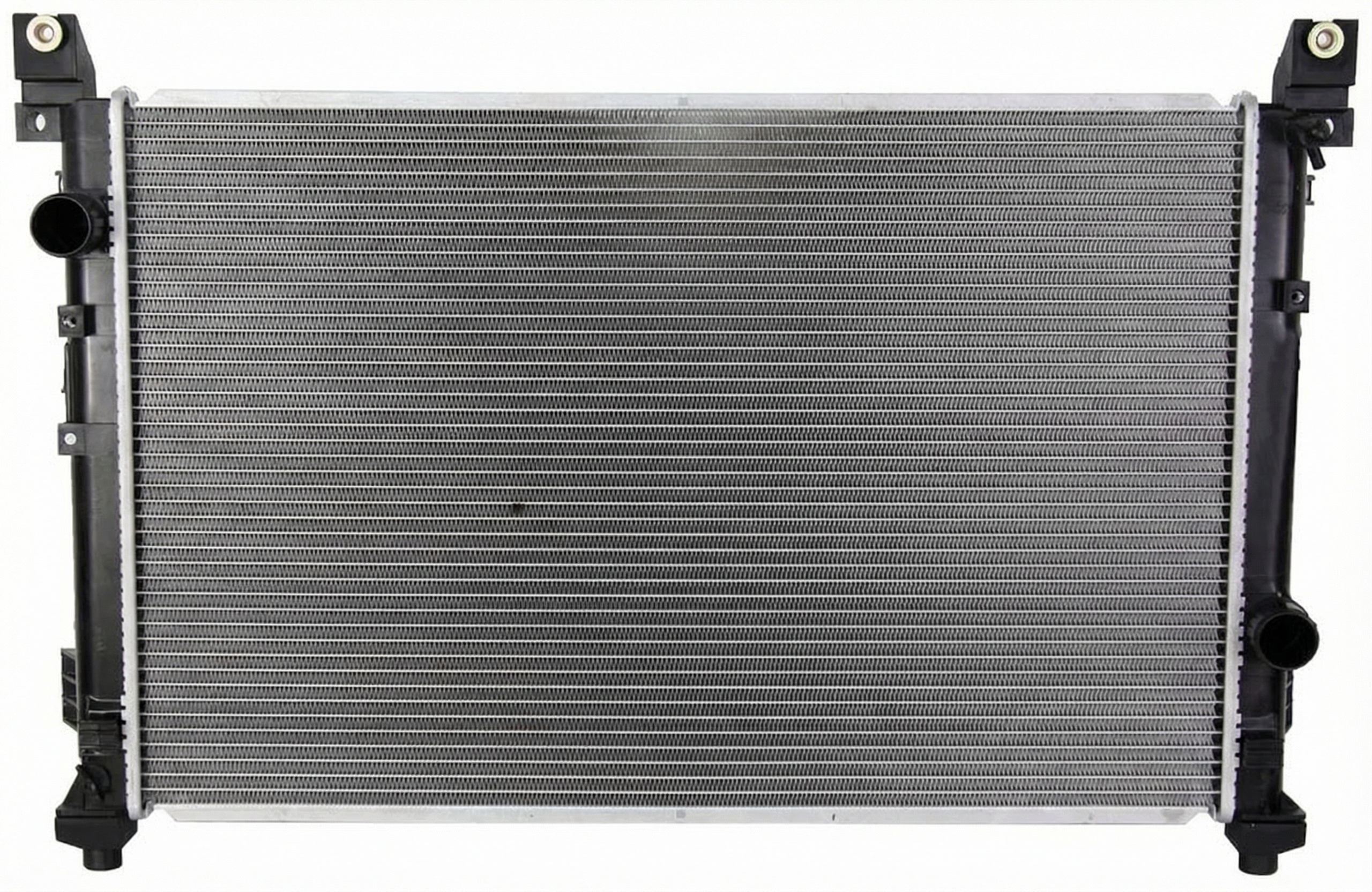
This is the most common sign of failure. The Pacifica's radiator uses plastic side tanks crimped onto an aluminum core. Over time, these plastic tanks become brittle and can develop hairline cracks, or the seals between the plastic and aluminum can fail.
- Puddles Under the Car: You may find a puddle of pink, orange, or green fluid on the ground, typically under the front of the engine bay.
- Sweet Smell: Leaking coolant has a distinct, sweet, syrupy smell. You may notice this inside or outside the vehicle, especially when the engine is hot.
- Visible Residue: Look for white or colored crusty residue on the radiator's black plastic side tanks. This is evidence of a slow leak where coolant has evaporated, leaving its mineral and dye content behind.
2. Engine Overheating
A significant coolant leak will cause the engine to run low on coolant, leading to overheating. You may see the temperature gauge on your dashboard climb into the red zone. If this happens, pull over immediately and shut off the engine to prevent severe damage. An engine that overheats can warp cylinder heads or cause a head gasket to fail, resulting in extremely expensive repairs.
3. Constantly Low Coolant Level
If you frequently have to add coolant to the overflow reservoir, you have a leak somewhere in the system. If you can't see an obvious leak from a hose, the radiator or the reservoir itself are the most likely culprits.
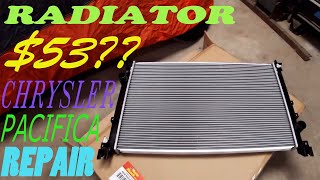
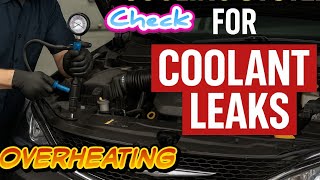
🎬 Watch: How to pressure test for hidden coolant leaksKnown Issues, TSBs, and Recalls
As of mid-2026, there are no active recalls or widespread Technical Service Bulletins (TSBs) from Chrysler specifically for radiator failure on the 2005-2008 Pacifica. The primary known issue is the component's tendency to develop leaks from the plastic side tanks as it ages. There are no specific OBD-II codes for a failing radiator, but an overheating condition caused by a bad radiator can trigger codes related to engine temperature sensors.
Buying a Used Radiator: What to Look For

A used OEM radiator can be a cost-effective alternative to a new part, but careful inspection is key. Since failure is often due to age-related plastic degradation, a part from a lower-mileage vehicle is preferable. RepairPal notes that radiators are often replaced around 80,000 miles due to the stress of repeated heat cycles.
When inspecting a used radiator:
- Check the Plastic End Tanks: This is the most common failure point. Look for any hairline cracks, especially around the upper and lower hose connections. Avoid any radiator that has visible cracks or appears excessively brittle or discolored.
- Inspect the Seams: Carefully examine the area where the black plastic tanks are crimped to the aluminum core. Look for any signs of leakage, such as white or pink residue.
- Examine the Fins: A few bent fins are normal and won't affect performance. However, avoid radiators with large areas of crushed or damaged fins, as this can restrict airflow and reduce cooling efficiency.
- Look for Corrosion: Check the aluminum core for signs of heavy corrosion or damage from road debris.
- Verify Fitment: Double-check that the part came from a Pacifica with the same engine as yours to ensure the hose outlets are in the correct positions.
Replacement Overview & Related Parts
Replacing the radiator on a 2005-2008 Pacifica is a moderately difficult job that can be done by a DIY mechanic with the right tools. The process generally takes 3-5 hours.
The basic steps include:
- Draining the cooling system.
- Removing the upper plastic radiator cover and support brackets.
- Disconnecting the upper and lower radiator hoses and the transmission cooler lines. Be prepared for some fluid spillage.
- Unplugging and removing the electric fan assembly from the back of the radiator.
- Unbolting the radiator and lifting it out of the vehicle. 🎬 See this step-by-step radiator replacement walkthrough
Pro Tip: While the radiator is out, it is the perfect time to replace other cooling system components that are difficult to access otherwise. To avoid future problems, it is highly recommended to replace the radiator hoses, thermostat, and radiator cap at the same time.
Cost Comparison
Prices for a 2005-2008 Chrysler Pacifica radiator can vary significantly based on the source.
| Part Source | Estimated Cost |
|---|---|
| New OEM | $245 - $370 |
| New Aftermarket | $75 - $285 |
| Used OEM | $50 - $125 |
| Shop Labor | $475 - $700 |
Frequently Asked Questions (FAQ)
Will a radiator from a 3.5L Pacifica fit my 4.0L Pacifica? 🎬 Watch: 4.0L engine radiator replacement tips
No. The radiators are different between the 2005-2006 models (3.5L/3.8L) and the 2007-2008 models (3.8L/4.0L). The hose connections and mounting points are not the same. You must buy the correct radiator for your specific year and engine.
What type of coolant should I use in my 2005-2008 Pacifica?
Chrysler vehicles of this era require a specific Hybrid Organic Acid Technology (HOAT) coolant, often referred to as Mopar G-05. It is typically dyed pink or orange. Using the wrong type of coolant (like standard green or Dex-Cool) can cause corrosion and damage to cooling system components.
Can I use a 'stop leak' additive for a small radiator leak?
Stop-leak products are not recommended as a permanent fix. While they may temporarily seal a very small leak, they can also clog the narrow passages in the radiator, heater core, and engine, leading to much worse overheating problems down the road. The only proper repair for a leaking radiator is replacement.
My coolant is brown and dirty. What does that mean?
Brown or rusty-looking coolant is a sign of severe corrosion inside the cooling system, often from using the wrong type of antifreeze or from not changing the coolant for a very long time. If you see this, you should perform a complete cooling system flush when you replace the radiator. In some cases, it can also indicate a head gasket failure where oil is mixing with the coolant. Check the underside of the oil cap for a milky, frothy residue.
Helpful Videos
Technical Specifications
OEM Part Numbers: 05137691AA 05159084AA 5102435AA 5137691AA 5159084AA 68002782AA
Core Material: Aluminum, Tank Material: Plastic, Flow Type: Crossflow
We Have This Part in Stock




The information in this article is provided for general reference and educational purposes only. Vehicle specifications, procedures, and part compatibility can vary by production date, trim level, and region. Always consult your vehicle's factory service manual and verify part numbers before purchasing or performing repairs. Safety-critical components such as airbags, seat belts, and braking systems should be installed by a qualified professional.
- Chrysler Pacifica:
- 🎬 Helpful Videos
- 🛍️ Shop This Part
- Critical Compatibility Warning: 3.5L/3.8L vs. 4.0L Engines
- Symptoms of a Failing Radiator
- 1. Coolant Leaks
- 2. Engine Overheating
- 3. Constantly Low Coolant Level
- Known Issues, TSBs, and Recalls
- Buying a Used Radiator: What to Look For
- Replacement Overview & Related Parts
- Cost Comparison
- Frequently Asked Questions (FAQ)
- 🎟️ Get 5% Off