

2020-2026 Cadillac CT5 Auxiliary Radiator: Identifying the Correct Intercooler Cooler
This guide covers the center low-temperature radiator for the CT5's intercooler system, helping you diagnose failures, avoid buying the wrong part, and understand replacement costs.
- This is the CENTER auxiliary radiator for the intercooler, NOT the main engine radiator. High-performance models may have three auxiliary radiators (Left, Right, Center), so verify the location before buying.
- The most common symptom of failure is a 'Reduced Engine Power' message, as the car's computer limits performance to prevent damage from hot intake air.
- When buying a used part, physical condition (no cracks or major fin damage) is more important than the donor vehicle's mileage.
- The intercooler system is separate from the engine's main cooling system and requires a specific bleeding procedure after parts are replaced to remove air pockets.
Is This the Right Radiator for Your CT5?

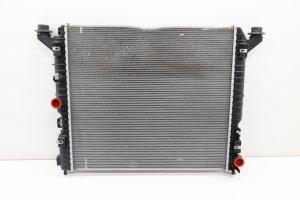
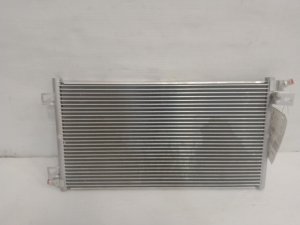
Before purchasing, it is critical to understand that this is not the main engine radiator. This is a smaller, auxiliary radiator dedicated to the turbocharger's intercooler system. On the Cadillac CT5, it is often referred to as the 'low-temperature' or 'charge air cooler' radiator.
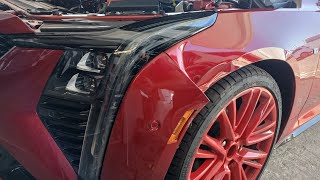
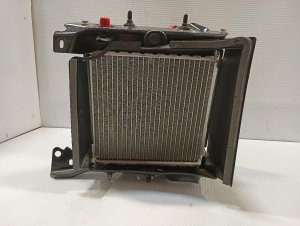
Compatibility Warning: This specific part is the CENTER auxiliary radiator. High-performance models, such as the CT5-V and CT5-V Blackwing with the 3.0L twin-turbo or 6.2L engines, may have up to three auxiliary radiators: left, right, and center. 🎬 Watch: CT5-V Blackwing bumper and radiator removal guide You must verify the exact location of the failed radiator on your vehicle before ordering a replacement. Part numbers for the left and right side units are different.
The primary OEM part number for this center auxiliary radiator is 42910198. This number supersedes older part numbers 84624534 and 84743114. It is used on CT5 models equipped with the 3.0L twin-turbo V6 engine.
Symptoms of a Failing Auxiliary Radiator

A problem with the intercooler radiator will affect engine performance more than engine temperature. The most common signs are related to the engine's computer trying to protect itself from overly hot air entering the cylinders.
- Reduced Engine Power: This is the most likely symptom. You may see a "Reduced Acceleration - Drive with Care" message on the dashboard. The vehicle's computer (ECU) detects high intake air temperatures and reduces turbo boost and engine power to prevent damage.
- Coolant Leaks: You may notice puddles of pink or orange DEX-COOL coolant on the ground under the front-center of the car. A sweet smell of antifreeze after driving is another common indicator of a leak.
- Visible Damage: Because it's mounted at the front of the vehicle, this radiator is susceptible to damage from road debris, which can cause leaks.
- Hissing Sounds: While less common for the radiator itself, a significant leak in the system's hoses can cause an audible hissing sound during acceleration as pressurized air or coolant escapes.
- Check Engine Light: A failing intercooler system can trigger fault codes related to boost pressure or charge air temperature, illuminating the check engine light.
Known Issues, Recalls, and Service Bulletins

As of mid-2024, there are no specific recalls issued by the National Highway Traffic Safety Administration (NHTSA) that directly target the auxiliary radiators on the 2020-2026 Cadillac CT5. However, GM has issued an Engineering Information (EI) request for coolant leaks on 2020-2024 models with the 2.0L engine, specifically around the Coolant Control Valve (CCV), which could present similar symptoms. Some owners have also reported coolant leaks from hoses that were improperly routed at the factory, causing them to rub against moving parts like the engine's lower pulley.
Buying a Used 2020-2026 CT5 Auxiliary Radiator: What to Look For

Pro Tip: For a component like a radiator, physical condition is far more important than the mileage of the donor vehicle. A high-mileage part with no physical damage is often a better choice than a low-mileage one from a front-end collision.
When inspecting a used OEM auxiliary radiator, focus on these key areas:
- Check for Leaks: Look for any signs of dried coolant residue (typically white, pink, or orange crust) around the hose connections and where the aluminum core meets the end tanks. This indicates a past or present leak.
- Inspect the Fins: A few bent cooling fins from normal use is acceptable and won't significantly affect performance. However, large areas of crushed or flattened fins will reduce cooling efficiency and should be avoided.
- Examine the End Tanks: Check the plastic or aluminum end tanks for any cracks, especially around the inlet and outlet ports. These are common failure points.
- Verify Mounting Points: Ensure all mounting tabs and brackets are intact and not cracked or broken. A damaged mounting point can cause vibrations that lead to future leaks.
- Confirm Part Numbers: Double-check that the part number is 42910198 or one of its predecessors (84743114, 84624534) to ensure you have the correct center radiator.
Choosing a used OEM radiator over a cheap aftermarket alternative often guarantees a perfect fit for hose connections and mounting brackets, preventing installation headaches.
Replacement Overview & Related Parts
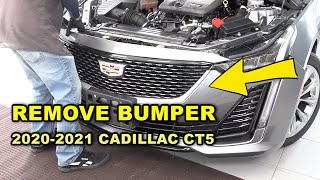
Replacing the center auxiliary radiator is a moderately difficult job that typically requires removing the front bumper cover to gain access.
🎬 See this step-by-step 2025 CT5 front bumper removalRelated Parts to Replace at the Same Time:
- Hoses and Clamps: It is highly recommended to replace the inlet and outlet hoses connected to the radiator, as they can become brittle and weak over time.
- Coolant: The system will need to be refilled with GM-approved DEX-COOL coolant mixed with distilled water. Never use tap water, as it can cause corrosion and deposits inside the cooling system.
- Auxiliary Coolant Pump: If the system was run dry due to a major leak, the auxiliary water pump (Part #13541831) may have been damaged and should be inspected.
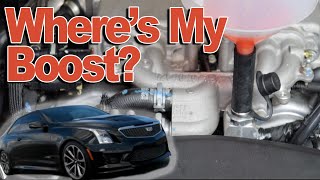
Special Procedure: The intercooler cooling system is separate from the main engine cooling system. After replacement, it must be bled of air to ensure the pump does not run dry and that coolant is circulating effectively. This may require a specific 'burping' procedure or the use of a vacuum-fill tool to prevent air pockets.
🎬 Watch: How to bleed and fill the intercooler systemCost Comparison
Prices can vary based on supplier and location. The following are estimates to help understand the value of a used part.
| Part Type | Estimated Cost |
|---|---|
| New OEM (GM) | $250 - $380 |
| New Aftermarket | $150 - $250 |
| Used OEM | $125 - $200 |
| Shop Labor | $415 - $609 (for main radiator, auxiliary may be similar) |
Frequently Asked Questions (FAQ)
Is this the main radiator that cools the engine?
No. This is a secondary, low-temperature radiator used only for the turbocharger's intercooler system. A failure here will primarily cause a loss of engine power, not engine overheating.
Can I just use a stop-leak product for a small leak?
It is not recommended. Stop-leak products can clog the small passages within the radiator and the auxiliary water pump, potentially causing more significant and expensive damage to the cooling system. Replacement is the only reliable repair.
Do I need to replace the radiator if only the fins are bent?
If there is no leak, you do not need to replace the radiator for minor fin damage. You can carefully straighten bent fins with a small screwdriver or a fin comb to restore airflow. However, if a large area is crushed, it may be worth replacing to ensure optimal performance.
What kind of coolant does the CT5 auxiliary radiator use?
The system uses GM DEX-COOL antifreeze, which is typically orange or pink. It is crucial not to mix it with other types of coolant (like green or blue) as this can cause gelling and blockages in the cooling system.
Helpful Videos
Technical Specifications
OEM Part Numbers: 42910198 84743114 84624534
Position: Center, Low-Temperature (for Charge Air Cooler)
We Have This Part in Stock


The information in this article is provided for general reference and educational purposes only. Vehicle specifications, procedures, and part compatibility can vary by production date, trim level, and region. Always consult your vehicle's factory service manual and verify part numbers before purchasing or performing repairs. Safety-critical components such as airbags, seat belts, and braking systems should be installed by a qualified professional.
- Cadillac CT5:
- 🎬 Helpful Videos
- 🛍️ Shop This Part
- Is This the Right Radiator for Your CT5?
- Symptoms of a Failing Auxiliary Radiator
- Known Issues, Recalls, and Service Bulletins
- Buying a Used 2020-2026 CT5 Auxiliary Radiator: What to Look For
- Replacement Overview & Related Parts
- Cost Comparison
- Frequently Asked Questions (FAQ)
- 🎟️ Get 5% Off