

2015-2017 Kia K900 Rear Radar Sensor: Why Calibration is Not Optional
This guide covers the common failure symptoms, replacement costs, and critical calibration requirements for the rear driver-side blind spot radar sensor on your Kia K900.
- Professional calibration is mandatory after replacing this sensor; it is not a plug-and-play part. Budget $300-$500 for this service.
- This guide is for the REAR LEFT (driver side) sensor only. The left and right sensors are different parts and are not interchangeable.
- Direct-fit aftermarket replacements are generally not available; a new OEM or used OEM part are the primary options.
- There are no active recalls for this specific radar sensor, though other recalls exist for the K900.
Symptoms of a Failing K900 Radar Sensor
When the rear radar sensor fails, your vehicle will typically provide a clear warning message on the instrument cluster. The most common symptom is a message stating, "Check Blind-Spot Safety system." This is often accompanied by the illumination of the master warning light on the dashboard. You will also notice that the blind spot warning lights in your side mirrors no longer illuminate when vehicles are present.
- "Check Blind-Spot Safety system" Message: This is the most direct indicator of a fault within the system.
- Master Warning Light On: A general warning light will illuminate to draw your attention to the message on the cluster.
- Blind Spot Indicators Inoperative: The lights in the side mirrors will not turn on, and you will not receive audible alerts if your vehicle is so equipped.
- "Radar blocked" Message: Sometimes, the issue is temporary. A message saying the radar is blocked can appear due to dirt, snow, or heavy rain covering the sensor area on the bumper. If cleaning the bumper and restarting the car resolves the issue, the sensor itself may not be faulty.
Pro Tip: Before assuming the sensor has failed, thoroughly wash the rear bumper, especially the corners. Debris, road grime, or even a poorly placed bumper sticker can obstruct the radar's view and cause a "Radar blocked" error message.
Known Issues, Recalls, and Technical Service Bulletins (TSBs)
While the 2015-2017 Kia K900 has been subject to several safety recalls, it is important to note that none of these recalls pertain to the blind spot radar sensors. Existing recalls for this vehicle address potential issues with the headlights and a fire risk related to the Hydraulic Electronic Control Unit (HECU) or ABS module. Searches for official Technical Service Bulletins (TSBs) did not find any specific documents related to widespread failure of the rear radar sensors on this model.
Buying a Used 2015-2017 K900 Radar Sensor
Due to the high cost of a new OEM sensor and the lack of available aftermarket options, a used OEM sensor is often the most practical choice. However, you must be careful when buying used to avoid wasting time and money.
1. Verify the Part Number and Side
This is the most critical step. The sensor for the rear left (driver) side is different from the rear right (passenger) side. They are not interchangeable.
- Part Number 95811-3T000: Typically fits the 2015 Kia K900.
- Part Number 95811-3T500: Typically fits the 2016-2017 Kia K900.
Always confirm you are buying the REAR LEFT (LH) sensor. The part for the right side has a different number (e.g., 95821-3T000) and will not work.
2. Physical Inspection Checklist
Before purchasing, carefully inspect the used sensor:
- Check for Cracks: The plastic housing must be free of cracks or significant damage. Water intrusion is a primary cause of failure.
- Inspect the Connector: Look at the electrical connector pins. They should be clean, straight, and free of any green or white corrosion.
- Examine Mounting Points: Ensure all mounting tabs are intact and not broken. A sensor that cannot be mounted securely will not function correctly.
- Ask About the Donor Vehicle: If possible, find out if the donor vehicle had a rear-end collision. A sensor from a wrecked vehicle may have hidden damage.
3. Why Used OEM is a Good Option
For a specialized electronic part like this, a used OEM sensor is often better than a new aftermarket one, if one could even be found. Aftermarket electronics for complex systems like ADAS (Advanced Driver-Assistance Systems) can have compatibility and quality issues. A genuine Kia part, even used, was designed to integrate with your vehicle's systems perfectly. The main challenge is that it absolutely must be calibrated after installation.
Warning: Do not purchase a sensor if its history is unknown or if it shows any signs of physical damage or corrosion. The cost of professional calibration is significant, so you want to be sure the part you are installing is in good working order.
Replacement and Calibration
Installation Difficulty
On a scale of 1 to 5 (5 being most difficult):
- Physical Installation: 3/5 - Requires removing the rear bumper cover, which can be tricky without breaking clips.
- Calibration: 5/5 - Requires specialized tools and software not available to most DIY mechanics.
The physical replacement involves removing the rear bumper cover to access the sensor, which is bolted to the vehicle's body in the corner. After disconnecting the electrical harness and unbolting the old unit, the new one is installed in its place.
Mandatory Calibration
This is not a plug-and-play part. After the sensor is installed, it must be professionally calibrated. Kia service procedures require a technician to measure the sensor's angle and perform a specific radar calibration using a Kia diagnostic tool (KDS). This procedure ensures the radar is aimed correctly to detect vehicles accurately. Failure to calibrate the sensor will result in the system not working and the warning light remaining on. This service must be performed by a Kia dealership or an auto shop that specializes in ADAS calibration.
Cost of Replacement
Costs can vary significantly based on location and the specific shop. The mandatory calibration is a major part of the total expense.
| Part / Service | Estimated Cost |
|---|---|
| New OEM Sensor | $800 - $1,200 |
| New Aftermarket Sensor | Not Available |
| Used OEM Sensor | $250 - $500 |
| Shop Labor (Installation) | $200 - $400 |
| Shop Labor (Calibration) | $300 - $500 |
| Total (Used Part + Pro Install) | $750 - $1,400 |
Frequently Asked Questions (FAQ)
Where is the rear radar sensor located on a 2015-2017 Kia K900?
The rear radar sensors are located inside the rear bumper cover, at the corners of the vehicle. The left-side sensor is on the driver's side. You cannot see it without removing the bumper cover.
Is the left (driver side) sensor the same as the right (passenger side) sensor?
No. They are different parts with different part numbers and are not interchangeable. You must purchase the correct sensor for the side you are replacing.
Does a new or used radar sensor need to be calibrated?
Yes, absolutely. Any time the sensor is replaced, disturbed, or the rear bumper is involved in a collision, the sensor must be recalibrated by a Kia dealer or a qualified ADAS service center. The system will not work correctly without this step.
Can I replace the sensor myself?
While a skilled DIY mechanic could physically swap the sensor by removing the rear bumper, the job is not complete until it is professionally calibrated. Because of the mandatory calibration, this repair is not considered fully DIY-feasible. You will need to factor in a visit to a specialized shop to complete the repair.
Technical Specifications
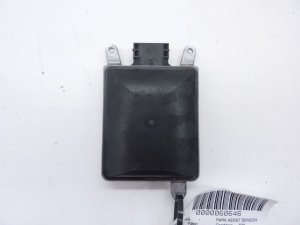
OEM Part Numbers: 958113T000 958113T500
Rear Left (Driver Side) Blind Spot Detection Radar Unit
We Have This Part in Stock

The information in this article is provided for general reference and educational purposes only. Vehicle specifications, procedures, and part compatibility can vary by production date, trim level, and region. Always consult your vehicle's factory service manual and verify part numbers before purchasing or performing repairs. Safety-critical components such as airbags, seat belts, and braking systems should be installed by a qualified professional.
- Kia K900:
- 🛍️ Shop This Part
- Symptoms of a Failing K900 Radar Sensor
- Known Issues, Recalls, and Technical Service Bulletins (TSBs)
- Buying a Used 2015-2017 K900 Radar Sensor
- 1. Verify the Part Number and Side
- 2. Physical Inspection Checklist
- 3. Why Used OEM is a Good Option
- Replacement and Calibration
- Installation Difficulty
- Mandatory Calibration
- Cost of Replacement
- Frequently Asked Questions (FAQ)
- 🎟️ Get 5% Off