

2024-2025 Traverse Front Radar Sensor: ADAS Faults & Calibration Guide
Diagnosing 'Service Driver Assist' warnings and understanding the mandatory professional calibration required for the front radar sensor on the 2024-2025 Chevrolet Traverse.
- Many 'failures' are software glitches. Ask your dealer about TSB PIT6167G for intermittent warnings before replacing any parts.
- Replacement is NOT a DIY job. The sensor MUST be professionally calibrated with special equipment to function, which is the most expensive part of the repair.
- Before assuming failure, always clean the front grille area. Dirt, snow, or ice will block the sensor and trigger warnings as a normal safety measure.
- The vehicle is safe to drive with a failed sensor, but critical safety features like Automatic Emergency Braking and Adaptive Cruise Control will be disabled.
Symptoms of a Failing Front Radar Sensor


When the front radar sensor has a problem, your vehicle will typically disable the related safety features and display a warning message on the driver information center. The most common symptoms include:
- "Adaptive Cruise Control Temporarily Unavailable" Message: This is the most frequent symptom of a blocked, misaligned, or failing front radar sensor.
- "Service Driver Assist System" Message: A general warning indicating a fault within the ADAS network, often pointing to the radar or camera systems.
- "Forward Collision System Unavailable" Message: This specific alert indicates the automatic emergency braking and forward warning systems are offline.
- Super Cruise Becomes Unavailable: On vehicles equipped with this feature, a radar fault will prevent Super Cruise from engaging.
- Adaptive Cruise Control Will Not Engage: The ACC system may refuse to turn on or may shut off immediately after being activated.
- Erratic System Behavior: In rare cases of a malfunctioning (but not completely failed) sensor, the ACC may brake erratically or fail to respond to traffic.
Pro Tip: Before assuming the sensor has failed, thoroughly clean the front grille area. A thin layer of dirt, snow, ice, or even heavy rain can block the radar's view and trigger a warning message. The warning will typically clear after the obstruction is removed and the vehicle is restarted.
Known Issues, TSBs, and Recalls

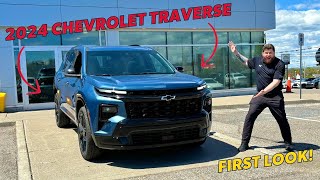
For the 2024-2025 Traverse, many ADAS-related issues are caused by software glitches 🎬 See this detailed walkthrough of the 2024 Traverse rather than hardware failure. GM has released several Technical Service Bulletins (TSBs) to address these problems.
Software-Related Faults (TSB PIT6167G)
Many owners of 2024-2025 Traverses have reported intermittent "Adaptive Cruise Unavailable" messages even in clear weather. GM has acknowledged this as a known software issue in TSB PIT6167G. This bulletin specifically instructs dealership technicians NOT to replace the radar sensor module for this condition, as a software fix is the intended solution. If you experience this intermittent issue, you should mention this TSB to your service advisor, as it could prevent an unnecessary and costly hardware replacement.
Calibration Learn Procedure (TSB PIT6394B / 25-NA-029)
These new models use a different type of long-range radar that requires a specific "learn" procedure for calibration. Unlike older systems that could be calibrated on an open highway, this new radar needs to be driven in a city or urban environment to detect a variety of objects like mailboxes, guardrails, parked cars, and oncoming traffic at a following distance of 50-150 feet. A technician may report that the sensor will not complete its learn procedure, which is often due to the wrong driving conditions being used for the dynamic calibration.
Recalls
As of early 2026, there are no widespread hardware recalls for the front radar sensor on the 2024-2025 Chevrolet Traverse. Always check the official NHTSA website for the most up-to-date recall information for your specific vehicle.
Buying a Used Radar Sensor
A used OEM radar sensor can be a cost-effective alternative to a new part, but there are critical factors to consider. This is not a simple plug-and-play component.
- Match the Part Number Exactly: While several part numbers may look similar, you must match the number from your vehicle's original sensor. Using the wrong part can lead to system incompatibility. The most likely part number for the front cruise control sensor is 86813188, but always verify with your original part.
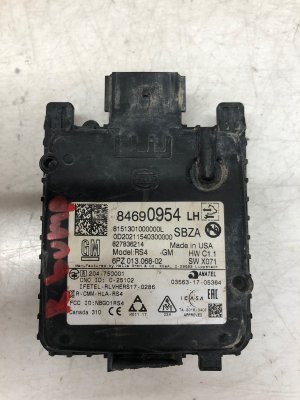
- Physical Inspection: Inspect the used sensor for any signs of physical damage. Check for cracks in the plastic housing, damage to the front face (the "lens"), and bent or corroded connector pins. Do not purchase a sensor with visible damage from a collision.
- Budget for Calibration: This is the most important step. A used sensor is useless without professional calibration. The cost of calibration can be several times the cost of the used part itself. Factor this significant expense into your budget before buying.
- Why Used OEM is a Good Choice: For this part, a used OEM sensor that has been properly calibrated is functionally identical to a new one. There are no known aftermarket alternatives for this new of a vehicle, making a recycled OEM part the only budget-friendly option.
Warning: The part number 26392271, sometimes associated with this vehicle, is for a steering gear assembly, not a radar sensor. Do not use this number when searching for a radar sensor.
Installation and Calibration
Physically replacing the sensor is relatively simple, typically involving removing the front grille or bumper cover to access a few bolts and an electrical connector. However, the mandatory calibration process makes this a job for a professional shop with ADAS service equipment.
Difficulty: 4 out of 5. The physical swap is a 2, but the required calibration makes this a non-DIY job.
- Physical Installation: The sensor is unbolted from its bracket, the connector is unplugged, and the new sensor is installed.
- Mandatory Calibration: After installation, a technician must use a specialized scan tool to initiate the sensor's learn procedure.
- Dynamic Calibration Drive: The technician will then drive the vehicle in a specific urban environment, allowing the sensor to see a wide variety of stationary and moving objects to learn its position and alignment relative to the car's centerline. This can take a significant amount of time.
- Verification: The process is complete only when the scan tool confirms the learn procedure has finished successfully. The technician will then test the ACC and FCA functions to ensure they work correctly.
Cost Comparison
Prices can vary by location and supplier. The primary cost of this repair is the specialized labor for calibration.
| Part/Service | Estimated Cost |
|---|---|
| New OEM Sensor | $185 - $250 |
| New Aftermarket Sensor | Not Yet Available |
| Used OEM Sensor | $80 - $120 |
| Shop Labor (Installation & Calibration) | $300 - $750+ |
Frequently Asked Questions (FAQ)
Can I replace the front radar sensor myself to save money?
No. While you might be able to physically swap the part, it will not function until it is professionally calibrated using specialized ADAS equipment. The calibration is the most critical and expensive part of the repair.
Why does the 'Adaptive Cruise Unavailable' warning appear in snow or heavy rain?
The radar sensor's view is blocked. Heavy snow, ice, or even a thick layer of dirt on the front grille can absorb or deflect the radar waves, preventing the system from seeing the road ahead. The system disables itself as a safety precaution. This is normal operation, not a part failure. Pulling over and cleaning the sensor area will usually resolve the issue.
My dealer says my 2024 Traverse has a software issue with the radar. What does that mean?
This likely refers to Technical Service Bulletin PIT6167G. GM has identified that intermittent 'unavailable' messages are often caused by a software glitch, not a bad sensor. The bulletin advises against replacing the hardware. A software update from the dealer is the correct fix.
Is it safe to drive with a 'Service Driver Assist' warning on?
Yes, but with caution. A fault in the radar system will disable active safety features like Automatic Emergency Braking and Adaptive Cruise Control. Your standard brakes will function normally, but the car will not automatically brake to prevent a collision. You should have the system inspected as soon as possible.
Helpful Videos
Technical Specifications
OEM Part Numbers: 86813188
Long Range Radar Module (LRRM) operating on millimeter-wave frequency. Requires dynamic calibration.
We Have This Part in Stock





The information in this article is provided for general reference and educational purposes only. Vehicle specifications, procedures, and part compatibility can vary by production date, trim level, and region. Always consult your vehicle's factory service manual and verify part numbers before purchasing or performing repairs. Safety-critical components such as airbags, seat belts, and braking systems should be installed by a qualified professional.
- CHEVROLET TRAVERSE:
- 🎬 Helpful Videos
- 🛍️ Shop This Part
- Symptoms of a Failing Front Radar Sensor
- Known Issues, TSBs, and Recalls
- Software-Related Faults (TSB PIT6167G)
- Calibration Learn Procedure (TSB PIT6394B / 25-NA-029)
- Recalls
- Buying a Used Radar Sensor
- Installation and Calibration
- Cost Comparison
- Frequently Asked Questions (FAQ)
- 🎟️ Get 5% Off