

Audi, VW & Porsche Radar Sensor Failure: Fixing 'ACC Unavailable' on Q7, Q5, A8 & More (2016-2025)
This guide covers the common failures, symptoms, and critical replacement procedures for the ADAS radar sensor found on many 2016-2025 Audi, Volkswagen, and Porsche models.
- A faulty sensor disables critical safety features like Adaptive Cruise Control and Pre Sense; dashboard warnings like 'ACC unavailable' are the primary symptom.
- Replacement is NOT a simple swap. Professional ADAS calibration and 'Component Protection' removal are mandatory and can cost hundreds of dollars.
- When buying a used sensor, you MUST match the OEM part number exactly and inspect the electrical connector for any signs of corrosion.
- Common causes of failure include minor impacts knocking the sensor out of alignment and water intrusion into the electrical connector.
Symptoms of a Failing Radar Sensor

When a radar sensor fails, is damaged, or its view is blocked, the vehicle will immediately disable the related safety systems and alert the driver with dashboard messages. You won't typically notice a physical problem with the car's ability to drive, but its active safety net will be gone.
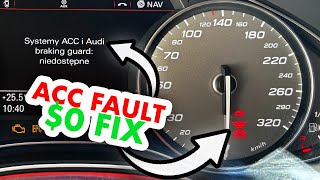
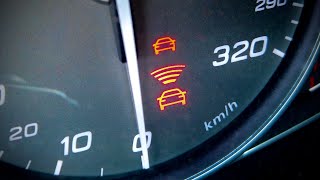
- Dashboard Warning Messages: This is the most common symptom. Expect to see messages like "ACC and braking guard: unavailable," "Audi pre sense: currently limited," "Side assist and exit warning system: fault," or "Intersection assist: fault."
- Inoperative Driver Aids: The features that rely on the sensor will stop working. You will not be able to engage Adaptive Cruise Control, and the warning lights in your side mirrors for blind spot detection will not illuminate.
- Intermittent Failures: Before a total failure, the system may act up intermittently, especially during heavy rain or after a car wash. This often points to moisture getting into the sensor's electrical connector.
- Diagnostic Trouble Codes (DTCs): A professional scan will reveal specific fault codes. Common codes include:
- C110300: Adaptive Cruise Control Misadjusted. This means the sensor is not aimed correctly.
- C12BFF0: Radar sensor automatic calibration not possible. This indicates the sensor has failed its self-calibration routine, often due to an internal fault or significant misalignment.
- B200FF9: Internal Malfunction. This code points to a definitive hardware failure inside the sensor unit itself.
- U1101: Component Protection Active. This code will appear after installing a used sensor, before it has been programmed to your vehicle.
Known Issues, TSBs, and Recalls

These sensors are generally reliable but are susceptible to a few common issues across the Audi, VW, and Porsche platforms they are used on.
Technical Service Bulletin (TSB) 96 21 74 / 2063336
Audi issued a TSB for a wide range of vehicles including the 2018-2024 A8, 2019-2024 A6/A7, 2019-2024 Q8, 2020-2024 RS6/RS7, and 2020-2025 Taycan (as the e-tron GT) that experience faults with lane change assist or pre sense, storing DTC C12BFF0 ("Radar sensor automatic calibration not possible"). The bulletin lists several potential causes:
- Sensors that are loose or not fully seated in their mounts.
- Damage to the bumper cover in the sensor's field of view.
- Inadequate or non-conforming paintwork on the bumper (too thick, metallic content) that interferes with the radar signal.
- Decals or stickers on the bumper over the sensor area.
Water Intrusion and Corrosion
A frequent cause of failure reported by owners and technicians is water getting into the sensor's electrical connector. A broken locking tab or a degraded seal can allow moisture to seep in, causing green or white corrosion on the connector pins. This corrosion disrupts communication and triggers fault codes. Sometimes cleaning the pins with electronic contact cleaner can provide a temporary fix, 🎬 Watch: How to clean and fix ACC faults for free but the correct repair is often to replace the connector and ensure the new sensor is sealed properly.
Impact Damage
The sensors, especially those in the front bumper, are vulnerable to damage from minor collisions, parking lot bumps, or even road debris. Even a slight impact that doesn't leave visible damage on the bumper can be enough to knock the sensor out of its precise alignment or damage its internal electronics, requiring recalibration or replacement.
Recalls
As of this writing, there are no major recalls specifically for the failure of these ADAS radar sensors on the listed vehicles. There was a recall for the 2017 Audi Q7 (NHTSA 16V519) related to the airbag control module software, not these specific sensors. Always check the NHTSA website for the most up-to-date recall information for your specific VIN.
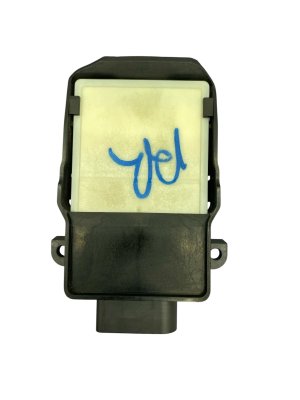
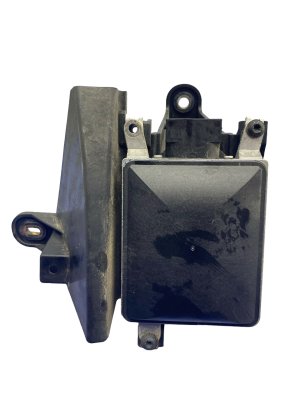
Important Note on Part Function: The OEM part numbers 4N0959651D, 4N0959651E, and PAB959651 can be confusing. While they are used as ADAS radar sensors for features like ACC and Side Assist, some parts catalogs may also label them as "Air Bag Impact Sensors." This is because the same part may be used in different locations for different safety systems. It is absolutely essential to physically inspect your original part and match the number exactly to ensure you are buying the correct component for the needed location.
Buying a Used Radar Sensor: What to Check
A used OEM sensor can be a cost-effective solution, but these are sensitive and complex electronic parts. Careful inspection and understanding the full replacement process are key.
- Verify the Part Number: This is the most important step. The part number on the replacement sensor must exactly match the one on your original part. Part numbers like 4N0959651D and 4N0959651E may be revisions, but you must match what came off your car.
- Inspect for Physical Damage: Carefully examine the entire sensor housing. Look for any cracks, deep scuffs, or signs of impact. Pay close attention to the plastic mounting tabs, as a broken tab will prevent the sensor from being secured correctly, making calibration impossible.
- Check the Connector Pins: Look inside the electrical connector port. The pins should be straight, clean, and shiny. Any sign of green or white powder is evidence of corrosion from water damage, and you should reject the part immediately.
- Buy from a Reputable Source: Purchase from a recycled parts seller that offers a warranty. This gives you protection in case the sensor has an internal electronic fault that isn't visible.
Critical Warning: Component Protection & Calibration Costs. A used radar sensor is NOT a plug-and-play part. It will not work after installation until two procedures are performed by a professional:
1. Component Protection (CP) Removal: This is an anti-theft system. A technician must use official ODIS diagnostic software with an online connection to VW/Audi's servers to register the used part's serial number to your car's VIN. 🎬 See how to remove Component Protection using ODIS
2. ADAS Calibration: The sensor must be precisely aimed using a special calibration rig and software.
These services can cost hundreds of dollars, sometimes more than the used part itself. You MUST factor this significant cost into your budget.
Replacement and Mandatory Calibration

Physically swapping the sensor is only the first step in a complex process that is not considered a DIY-friendly job for most home mechanics.
- Installation Difficulty: 4 out of 5 (due to mandatory programming and calibration).
- Physical Replacement: The sensor is typically located behind the front or rear bumper cover. The bumper must be removed for access. This part of the job is mechanically straightforward for an experienced DIYer.
- Post-Installation Programming: After the new (used) sensor is installed, the car must be taken to an Audi/VW/Porsche dealer or a qualified independent shop that specializes in ADAS. They will perform the Component Protection removal and then the sensor calibration.
CRITICAL: Calibration is Not Optional
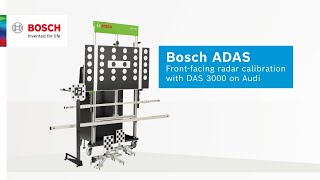
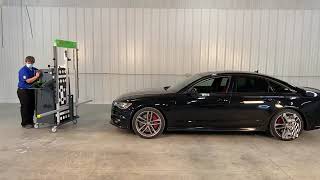
Anytime a radar sensor is replaced, disturbed, or the vehicle has a wheel alignment or suspension height change, the sensor must be recalibrated. This process uses a large, special target board (like the VAS 6430 rig) placed at a precise distance and angle from the vehicle. 🎬 Watch: Professional ADAS radar calibration process The technician then uses diagnostic software to aim the sensor so it 'sees' the road correctly. Skipping this step can lead to incorrect system behavior, including phantom braking or, more dangerously, failure to activate in a real emergency. This is a critical safety procedure.
Cost to Replace and Calibrate a Radar Sensor
The total cost is a combination of the part itself and the specialized labor for programming and calibration.
| Item | Estimated Cost |
|---|---|
| New OEM Sensor | $215 - $240 |
| Used OEM Sensor | $50 - $350 |
| New Aftermarket Sensor | Not commonly available |
| Shop Labor (Physical Install) | $200 - $400 (1-2 hours) |
| Shop Labor (Component Protection & Calibration) | $300 - $800+ |
| Total Estimated Cost (with Used Part) | $550 - $1,550+ |
Pro Tip: To save money, an experienced DIY mechanic can perform the physical bumper removal and sensor swap at home, then drive the vehicle to a specialist shop for the mandatory programming and calibration. This can save you a few hundred dollars in labor.
Frequently Asked Questions (FAQ)
What is "Component Protection" and how does it affect a used sensor?
Component Protection is an anti-theft feature used by Volkswagen and Audi. It electronically locks major control modules, like this radar sensor, to the original vehicle's VIN. When you install a used sensor, it will not function and will set a "Component Protection Active" fault code until a dealer or certified specialist with online ODIS software adapts the part to your car. This procedure is mandatory.
My car had a minor fender bender and now I have a Pre Sense error. Do I need a new sensor?
Not necessarily. The impact may have simply knocked the sensor out of alignment. The first step is to have a shop perform a diagnostic scan and attempt to recalibrate the existing sensor. If the calibration fails repeatedly or if the sensor has internal damage from the shock, then it will need to be replaced.
Can I use a sensor from a Q7 on my A8?
Only if the OEM part number is an exact match. These vehicles are built on similar platforms and often share parts. However, there can be different software or hardware versions. You must verify the part number on your car's original sensor and buy a used one with the identical number.
Why can't I just clear the fault code with a simple OBD-II scanner?
Generic OBD-II scanners can only read basic engine and emissions codes. They cannot communicate with the specialized control modules that run the ADAS systems (like Address 13 or A5). You need a VAG-specific tool like VCDS or ODIS to properly diagnose faults, read live data, and perform the necessary adaptations and calibrations for these sensors.
Helpful Videos
Technical Specifications
OEM Part Numbers: 4N0959651D 4N0959651E PAB959651
Functions as a radar transceiver for the vehicle's ADAS (Advanced Driver-Assistance Systems). Operates on a specific frequency band to measure distance, velocity, and angle of surrounding objects.
We Have This Part in Stock




The information in this article is provided for general reference and educational purposes only. Vehicle specifications, procedures, and part compatibility can vary by production date, trim level, and region. Always consult your vehicle's factory service manual and verify part numbers before purchasing or performing repairs. Safety-critical components such as airbags, seat belts, and braking systems should be installed by a qualified professional.
- AUDI Q7:
- AUDI Q5:
- AUDI A8:
- VOLKSWAGEN TOUAREG:
- PORSCHE TAYCAN:
- AUDI A6:
- AUDI A7:
- AUDI Q8:
- AUDI RS6:
- AUDI RS7:
- AUDI RS Q8:
- Audi e-tron GT:
- Audi RS e-tron GT:
- 🎬 Helpful Videos
- 🛍️ Shop This Part
- Symptoms of a Failing Radar Sensor
- Known Issues, TSBs, and Recalls
- Technical Service Bulletin (TSB) 96 21 74 / 2063336
- Water Intrusion and Corrosion
- Impact Damage
- Recalls
- Buying a Used Radar Sensor: What to Check
- Replacement and Mandatory Calibration
- CRITICAL: Calibration is Not Optional
- Cost to Replace and Calibrate a Radar Sensor
- Frequently Asked Questions (FAQ)
- 🎟️ Get 5% Off