

2022-2025 Acura MDX Radar Sensor Faults: ADAS Warnings and Calibration Explained
This guide covers the common failures of the front and rear radar sensors on the 2022-2025 Acura MDX, why calibration is mandatory, and how to safely buy a used unit.
- Replacing a radar sensor is NOT a DIY job. The part requires mandatory professional electronic calibration after installation, which costs $300-$600 and requires special equipment.
- The most common failure warning is "Some Driver Assist Systems Cannot Operate." This disables safety features like automatic emergency braking and adaptive cruise control.
- Before buying a new part, always clean the front Acura emblem or rear bumper corners, as snow, ice, or dirt is a frequent cause of temporary 'Radar Obstructed' warnings.
- When buying a used sensor, you must match the OEM part number exactly and inspect it for any cracks or bent brackets to ensure it can be calibrated successfully.
Understanding MDX Radar Sensor Systems

The 2022-2025 Acura MDX uses at least two different types of radar sensors for its safety systems. It is important to identify which system is having a problem before attempting a diagnosis or ordering a part.
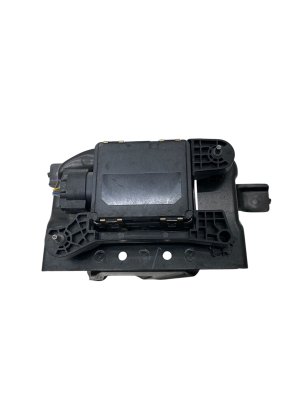
- Front Millimeter-Wave Radar: This single sensor is mounted behind the large, flat Acura logo on the front grille. It is the primary sensor for forward-facing systems like Adaptive Cruise Control (ACC) and the Collision Mitigation Braking System (CMBS). A failure or obstruction here will typically disable these specific features.
- Rear Corner Radar Sensors: These two sensors are located behind the plastic bumper cover at the rear corners of the vehicle. They are responsible for the Blind Spot Information (BSI) system and the Rear Cross Traffic Monitor. A failure of one of these units will usually result in a BSI system error and the warning light in the corresponding side mirror may stay on or not work at all.
Note: Many ADAS warnings are also linked to the forward-facing camera mounted on the windshield. It is crucial to have the vehicle scanned for Diagnostic Trouble Codes (DTCs) to pinpoint whether the fault lies with a radar sensor or the camera system.
Symptoms of a Failing Radar Sensor

When a radar sensor fails, is damaged, or obstructed, the vehicle will typically display a clear warning on the instrument panel and disable the related safety features.
Common Warning Messages and Symptoms
- A primary warning message stating "Some Driver Assist Systems Cannot Operate: Radar Obstructed".
- Specific system failure warnings, such as "Adaptive Cruise Control Problem," "Collision Mitigation System Problem," or "Blind Spot Info System Problem."
- The associated safety systems will be disabled. You will not be able to use adaptive cruise control, and features like automatic emergency braking will not function.
- For a rear corner sensor failure, the orange warning light in the side mirror may stay illuminated constantly or not light up at all when a car is in your blind spot.
Common Causes
- Obstruction: The most common cause for a temporary warning is something blocking the sensor. For the front radar, this is often snow, ice, mud, or even heavy bug debris on the grille emblem. For the rear sensors, mud or ice buildup on the bumper corners can cause the same issue.
- Physical Damage: The sensors are sensitive and can be damaged even in minor fender-benders or parking lot bumps. A cracked housing or a bent mounting bracket can cause a permanent failure.
- Misalignment: An impact that doesn't cause visible damage can still knock the sensor out of its precise alignment, triggering a fault code.
- Electrical or Internal Failure: Like any electronic component, the sensors can fail internally over time. Water intrusion or wiring issues can also cause malfunctions.
- Weak Battery: A low vehicle battery voltage can sometimes cause random, erroneous ADAS fault messages to appear.
Common Diagnostic Trouble Codes (DTCs)
A professional scan tool may reveal specific codes that point to the problem. While codes can vary, some common ones related to Acura radar systems include:
- P2583-97: Millimeter Wave Radar Obstructed. This usually means the sensor is physically blocked and needs to be cleaned.
- P2583-76: Millimeter Wave Radar Misaligned. This indicates the sensor's aiming is incorrect and it needs calibration. This can be caused by a bent bracket or a loose sensor.
- U3000-49: Control Module Internal Electronic Failure. This code often points to a failed sensor that needs to be replaced.
Known Issues, Recalls, and Technical Service Bulletins (TSBs)
As of mid-2026, there are no active safety recalls issued by the NHTSA specifically for the radar sensor units on the 2022-2025 Acura MDX.
However, several recalls exist for other systems on these vehicles, including the fuel injection ECU on Type S models, a blank touchscreen on 2025 models, and a faulty front passenger seat weight sensor. These issues are not directly related to the radar sensors.
While no specific TSBs for the 2022-2025 MDX radar were found, Acura has issued bulletins for similar systems on other models that can provide valuable diagnostic clues:
- Software Sensitivity: On some RDX models, Acura released a TSB (21-027) to update the radar software because it was too sensitive to ice buildup in cold weather, falsely triggering a misalignment code. This could be a potential issue on MDX models exhibiting similar winter-related faults.
- Loose Mounting Brackets: On the Acura TLX, an internal service news article (A18080E) noted that loose mounting clips for the front radar could cause persistent misalignment codes (P2583-76) even without an impact. Checking for a physically loose sensor behind the emblem is a wise diagnostic step before assuming the unit is bad.
Fitment Warning for MDX Type S: The initial data is correct that fitment can vary for the Type S submodel. The Type S has a unique front bumper design and may use different radar sensor part numbers or mounting brackets. Always verify the part number with your vehicle's VIN before ordering.
Buying a Used Radar Sensor: A Buyer's Guide
Purchasing a used OEM radar sensor can offer significant savings over a new part, but it requires careful inspection and understanding of the full replacement process. These are not simple plug-and-play components.
Physical Inspection Checklist
- Check for Cracks: Carefully inspect the entire plastic housing of the sensor. Any cracks, even small ones, can allow moisture inside and lead to failure.
- Inspect the Connector: Look at the electrical connector pins. They should be straight, clean, and free of any corrosion.
- Examine Mounting Points: Check that all mounting tabs and the bracket (if included) are intact and not bent or broken. A bent bracket is a common cause of calibration failure.
- Ask About the Donor Vehicle: If possible, find out if the donor vehicle had front-end or rear-end damage. A sensor from a vehicle with a major collision in that area is a high-risk purchase.
The Two Most Important Rules
- Match the Part Number Exactly: The part number on the replacement sensor MUST be an exact match to your original part. Different part numbers may look identical but contain different software or calibration parameters for different trim levels (e.g., Base vs. Type S), which will cause the calibration process to fail.
- Budget for Calibration: A used radar sensor is non-functional until it is professionally calibrated to your specific vehicle. This service can cost several hundred dollars and is not optional. Factor this into the total cost of your repair.
Replacement and Calibration Procedure

The replacement process is a two-stage job: physical installation and electronic calibration.
1. Physical Installation (Difficulty: 2/5)
Swapping the sensor itself is relatively straightforward. The front radar is accessed by removing the front grille or bumper cover. The rear corner sensors require removing the rear bumper cover. The sensor is typically held in place by a few bolts or clips and has a single electrical connector.
Pro Tip: While the bumper is off, it's a good time to inspect the wiring harness for any cuts or damage, especially if the original failure was intermittent.
2. Electronic Calibration (Difficulty: 5/5 - Professional Only)
This step is mandatory and cannot be performed by a DIY mechanic. After a sensor is replaced, it must be electronically aimed to tell it where "straight ahead" is relative to the car's body. Failure to calibrate will result in persistent warning lights and non-functional safety systems.
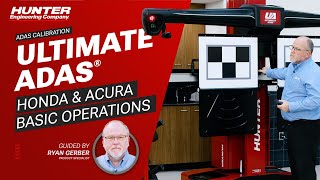
- Who Can Do It: An Acura dealership or a qualified independent shop that specializes in ADAS calibration. They have the required scan tools and physical targets. 🎬 Watch: How technicians perform Honda and Acura ADAS calibrations
- The Process: The procedure involves placing the vehicle on a perfectly level surface and setting up a special target at a precise distance and height in front of (or beside) the vehicle. A technician then uses a diagnostic scan tool to put the system into learning mode, where it aims itself at the target. This may be followed by a specific driving procedure (dynamic calibration) to finalize the settings.
Warning: Do not assume the part is defective if warning lights remain after installation. The lights will stay on until a successful calibration is completed.
Cost Comparison for MDX Radar Sensors
Prices can vary based on the specific sensor (front vs. rear) and your location. The costs below are estimates compiled in mid-2026.
| Part/Service | Estimated Cost |
|---|---|
| New OEM Sensor | $450 - $700 |
| Used OEM Sensor | $100 - $250 |
| New Aftermarket Sensor | Not Generally Available |
| Shop Labor (Installation) | $150 - $350 (1-2 hours) |
| Shop Labor (Calibration) | $300 - $600 (Separate charge) |
Frequently Asked Questions (FAQ)
Can I drive my MDX with a bad radar sensor?
Yes, but with limitations. The vehicle will drive normally, but critical safety features like Collision Mitigation Braking (automatic emergency braking), Adaptive Cruise Control, and Blind Spot Information will be disabled. You are losing a significant layer of safety, so the repair should be made a priority.
Why did my radar warning turn on after a very minor accident?
Radar sensors require extremely precise alignment. Even a small bump that doesn't leave a mark on your bumper can be enough to bend the mounting bracket or shift the sensor's position by a fraction of a degree, which is enough to trigger a misalignment fault.
My warning says "Radar Obstructed." Do I need a new sensor?
Not necessarily. The first step is to thoroughly clean the front Acura emblem (for front radar) or the rear bumper corners (for blind spot radar) with a soft cloth. Snow, ice, and heavy dirt are the most common causes for this specific message. If the warning disappears after cleaning, you have solved the problem.
Do I need to calibrate the radar if I replace my windshield?
No, not usually for the radar. Windshield replacement requires calibration of the forward-facing camera that is mounted to the glass. However, the radar sensor is mounted to the vehicle's body behind the grille and is generally not affected by windshield work. The exception would be if the front of the car was also damaged in the incident that broke the windshield.
A shop quoted me $400 for an "unsuccessful calibration." Why do I have to pay if it didn't work?
Calibration can only succeed if the sensor is mounted correctly on a straight, undamaged bracket. If the mounting point is bent from a prior accident, the sensor cannot be aimed properly. The calibration charge covers the technician's time and use of specialized equipment to perform the procedure and diagnose the reason for failure (e.g., a bent frame or bracket). The next step would be to have a body shop repair the mounting structure before attempting calibration again.
Helpful Videos
Technical Specifications
OEM Part Numbers: 36801-TYA-A04 36803-TYC-A03 8S303-TYA-A21 36930-TYA-A03 36931-TYA-A01 36936-TYA-A01
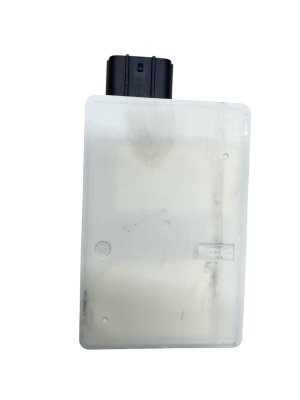
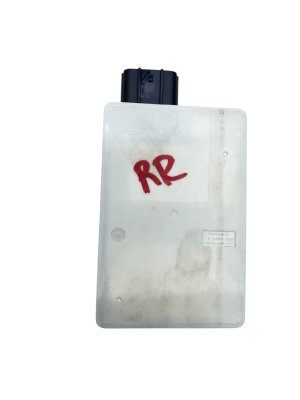
The front sensor is a millimeter-wave radar unit. The rear sensors are also radar-based and are used for the Blind Spot Information (BSI) system.
We Have This Part in Stock


The information in this article is provided for general reference and educational purposes only. Vehicle specifications, procedures, and part compatibility can vary by production date, trim level, and region. Always consult your vehicle's factory service manual and verify part numbers before purchasing or performing repairs. Safety-critical components such as airbags, seat belts, and braking systems should be installed by a qualified professional.
- Acura MDX:
- 🎬 Helpful Videos
- 🛍️ Shop This Part
- Understanding MDX Radar Sensor Systems
- Symptoms of a Failing Radar Sensor
- Common Warning Messages and Symptoms
- Common Causes
- Common Diagnostic Trouble Codes (DTCs)
- Known Issues, Recalls, and Technical Service Bulletins (TSBs)
- Buying a Used Radar Sensor: A Buyer's Guide
- Physical Inspection Checklist
- The Two Most Important Rules
- Replacement and Calibration Procedure
- 1. Physical Installation (Difficulty: 2/5)
- 2. Electronic Calibration (Difficulty: 5/5 - Professional Only)
- Cost Comparison for MDX Radar Sensors
- Frequently Asked Questions (FAQ)
- 🎟️ Get 5% Off