

1993 Thunderbird Super Coupe Fan Motor: The Supercharged-Only Cooling Fan Explained
This guide covers the unique, single-year radiator and condenser fan motor assembly for the 1993 Ford Thunderbird with the 3.8L Supercharged V6 engine.
- This fan assembly is ONLY for the 1993 Thunderbird with the 3.8L Supercharged engine; it does not fit V8 or non-supercharged V6 models.
- The most common symptom of failure is engine overheating while idling or in stop-and-go traffic.
- A faulty fan will also cause the A/C to blow warm air when the vehicle is not moving.
- Always test the fan motor directly with 12V power to confirm it's bad before replacing it; the issue could be a simple fuse or relay.
Vehicle-Specific Fitment & Known Issues

Compatibility Warning: This electric fan motor assembly is specifically for the 1993 Ford Thunderbird equipped with the 3.8L Supercharged V6 engine (often called the Super Coupe or SC). It will NOT fit the naturally aspirated 3.8L V6 or the 5.0L V8 models, which use a different cooling fan system. Always verify your vehicle has the Supercharged engine before ordering.
For the 1993 model year, Ford used a specific electric fan assembly for the high-output Supercharged engine to meet its greater cooling demands. The most common issue with this part is outright failure of the electric motor due to age and wear. The electrical connections can also become corroded over time, leading to intermittent or no operation.
Known Recalls & Technical Service Bulletins (TSBs)
As of mid-2026, there are no specific recalls or TSBs issued by Ford or the National Highway Traffic Safety Administration (NHTSA) for the radiator fan motor on the 1993 Ford Thunderbird. However, a general recall (96V-071) was issued for potential overheating and fire in the steering column area, which is an electrical issue but not directly related to the fan motor itself.
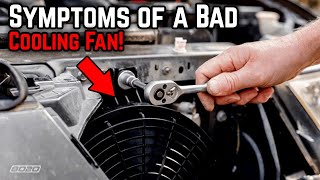
Symptoms of a Failing Rad Cond Fan Motor


When the fan motor begins to fail, it will cause noticeable problems, especially in city driving. Here are the most common signs:
- Engine Overheating at Idle or in Traffic: This is the most serious and common symptom. When the car is stopped, there is no natural airflow through the radiator. If the fan isn't spinning, the engine temperature will quickly rise, which can lead to severe engine damage. 🎬 See what causes a Ford Thunderbird to overheat The temperature may return to normal once the car is moving at higher speeds.
- A/C Blows Warm Air When Stopped: The fan also pulls air across the A/C condenser. If the fan fails, the A/C system can't get rid of heat, causing it to blow warm or only slightly cool air when you're at a stoplight or in traffic. The A/C may get cold again once you start driving faster.
- Fan Does Not Turn On: When the engine is fully warmed up or the A/C is turned on, you should hear and see the fan running. If the fan is not spinning at all, the motor has likely failed or there is an electrical problem, such as a blown fuse or bad relay.
- Loud or Grinding Noises: Worn-out bearings inside the fan motor can cause a loud whirring, grinding, or rattling sound when the fan is active. This is a clear sign that the motor is about to fail completely.
Diagnosing a Faulty Fan Motor
If you suspect your fan motor is bad, you can perform a few simple tests:
- Visual Inspection: With the engine OFF and cool, look at the fan blades for any cracks or damage. Check the wiring harness connected to the motor for any signs of melting, corrosion, or loose connections.
- Manual Spin Test: With the engine OFF, try to spin the fan blades by hand. They should spin relatively freely with minimal resistance. If the fan is stiff, hard to turn, or makes a grinding noise, the motor bearings are likely shot.
- Direct Power Test: This is the most definitive test. Disconnect the fan motor's electrical connector. Using jumper wires, carefully connect the motor's power and ground terminals directly to a 12V battery. 🎬 Watch: How to diagnose common cooling fan problems If the fan spins at full speed, the motor is good, and the problem lies elsewhere in the circuit (fuse, relay, temperature sensor, or wiring). If the fan does not spin or spins slowly, the motor is bad and needs to be replaced.
Pro Tip: Before condemning the motor, always check the 60-amp fuse for the cooling fan in the under-hood fuse box. It's a common failure point and a much cheaper fix. A bad relay can also prevent a good motor from turning on.
Buying a Used Rad Cond Fan Motor
Given the age of the 1993 Thunderbird, a used OEM fan assembly is often the most practical and cost-effective option. New OEM parts are likely discontinued or extremely expensive. Here’s what to look for when buying a used unit:
- Verify the Part Number: Check for OEM part numbers like E9SZ8C607A or F3SZ8C607A. This ensures you are getting the correct part for the Supercharged model.
- Inspect the Fan Blades: Carefully check each blade for cracks, chips, or stress marks, especially around the hub. A blade breaking off at high speed can damage the radiator and other components.
- Check the Electrical Connector: Look at the plastic connector and the metal pins inside. Avoid any unit with melted plastic, heavy corrosion, or broken locking tabs. A bad connection can cause the new motor to fail.
- Test the Motor Bearings: Spin the fan by hand. It should feel smooth and quiet. Any grittiness, grinding, or excessive wobble indicates worn bearings, and you should pass on that unit.
- Why Used OEM is a Good Choice: For a part like this, an original Ford assembly often has a higher quality motor and better-balanced fan blades than cheap aftermarket alternatives. The fitment of the shroud and mounting points will also be perfect, which is not always guaranteed with non-OEM parts.
Cost Comparison
Prices can vary, but here is a general cost breakdown to help you understand the value of a used OEM part:
| Part Type | Estimated Cost |
|---|---|
| New OEM (Ford) | $500+ (if available) |
| New Aftermarket (Motor Only) | $60 - $100 |
| Used OEM (Complete Assembly) | $75 - $150 |
| Shop Labor Cost | $100 - $200 |
Replacement Overview

Replacing the fan assembly is a straightforward job for a DIY mechanic with basic tools.
- Difficulty: 2/5 (Easy to Moderate)
- Estimated Time: 1-1.5 hours
- Tools Needed: Socket set, screwdrivers, pliers.
The general process involves disconnecting the battery, unplugging the fan's electrical connector, removing the upper radiator hose (you may lose a small amount of coolant), unbolting the fan shroud from the radiator, and lifting the entire assembly out of the engine bay. Installation is the reverse of removal.
Frequently Asked Questions (FAQ)
Will this fan fit my 1993 Thunderbird with the 5.0L V8?
No. The 5.0L V8 engine in the 1993 Thunderbird uses a mechanical fan that is driven by the engine's accessory belt and has a fan clutch. This electric fan assembly is only for the 3.8L Supercharged V6 model.
My fan isn't working. Should I replace the motor or the whole assembly?
This part was originally sold as a complete assembly including the motor, fan blades, and shroud. While some aftermarket companies sell just the motor, buying a complete, tested used OEM assembly is often easier and ensures the fan blades are not brittle from age.
How do I know if the problem is the fan motor or the relay?
The easiest way to know for sure is to test the motor directly by connecting it to a 12V power source like the car battery. If the fan spins, the motor is good and the problem is likely the fuse, relay, or wiring. If it doesn't spin, the motor is bad.
Can I still drive my car if the radiator fan is broken?
It is not recommended, especially in city traffic. You can drive for short distances at highway speeds where airflow is sufficient to cool the engine, but if you get stuck in traffic or have to stop for long, the engine will overheat quickly. This can cause catastrophic engine damage like a blown head gasket or warped cylinder head.
Helpful Videos
Technical Specifications
OEM Part Numbers: E9SZ8C607A F3SZ-8C607-A F3SZ8C607A
Electric puller-type fan, includes motor, fan blades, and shroud. Designed for the 1993 Ford Thunderbird 3.8L Supercharged V6.

The information in this article is provided for general reference and educational purposes only. Vehicle specifications, procedures, and part compatibility can vary by production date, trim level, and region. Always consult your vehicle's factory service manual and verify part numbers before purchasing or performing repairs. Safety-critical components such as airbags, seat belts, and braking systems should be installed by a qualified professional.
- Ford Thunderbird: