

2005-2009 Saab 9-7x Rack and Pinion: Leaks, Clunks, and Replacement Guide
This guide covers common failure symptoms, critical differences between base and Aero models, and how to choose a reliable used replacement rack for your GMT360-based Saab.
- Crucially, you must verify if your Saab 9-7x is a standard model (4.2i, 5.3i) or the high-performance Aero. The steering racks have different ratios and are not interchangeable.
- The most common signs of failure are leaks of red/pink power steering fluid and clunking noises when turning.
- After replacement, it is mandatory to flush the power steering system with fresh fluid and perform a professional wheel alignment to prevent damage and ensure safety.
- A low-mileage used OEM rack from a compatible GMT360 vehicle (like a Trailblazer or Envoy) often provides better quality and value than a new, inexpensive aftermarket part.
Symptoms of a Failing Rack and Pinion Assembly
A bad rack and pinion can show several signs, ranging from annoying noises to serious safety concerns. Because the Saab 9-7x shares its platform (GMT360) with vehicles like the Chevrolet Trailblazer and GMC Envoy, many symptoms are common across these SUVs.
Steering Fluid Leaks
What to look for: This is the most common and obvious sign of failure. You may notice reddish or pink fluid dripping from the front of your vehicle, often from the ends of the rack where the inner tie rods are located. The seals inside the rack wear out over time, allowing pressurized hydraulic fluid to escape. A leak can also come from the connections where the power steering lines attach to the rack. A burning oil smell can sometimes accompany a leak if the fluid drips onto hot exhaust components.
Noises When Steering
What it sounds like:
- Clunking or Knocking: A clunking sound when turning the wheel, especially at low speeds or when going over bumps, often points to worn internal gears in the rack or loose mounting bushings. However, similar noises can also be caused by worn ball joints, sway bar links, or strut mounts, so a thorough inspection is necessary.
- Whining or Squealing: A high-pitched whine or squeal that gets louder when you turn the wheel usually indicates low power steering fluid, often due to a leak in the rack. This sound is from the power steering pump struggling without enough fluid.
- Grinding: A grinding noise when turning suggests metal-on-metal contact inside the rack, a sign of severe wear and impending failure.
Changes in Steering Feel
What it feels like:
- Loose or Sloppy Steering: This feels like excessive play in the steering wheel, where you can turn it slightly without the wheels responding. It can make the vehicle feel like it's wandering or drifting on the highway. 🎬 Watch: How to troubleshoot steering stiffness, pull, and wander.
- Tight or Stiff Steering: If turning the wheel becomes difficult, it could mean the rack is binding internally or the power steering pump isn't providing enough assist due to a leak or internal rack failure.
- Steering Wheel Vibration: A shaking or vibrating steering wheel, especially on smooth roads, can be a sign of a malfunctioning rack and pinion.
Warning: The Saab 9-7x has two different steering racks that are NOT interchangeable. The standard rack fits the 4.2i and 5.3i models. The high-performance Aero model uses a different rack with a quicker steering ratio. Installing the wrong one will affect steering response and handling.
Known Issues, Recalls, and Technical Service Bulletins (TSBs)
As of mid-2024, there are no specific recalls from the National Highway Traffic Safety Administration (NHTSA) for the rack and pinion assembly on the 2005-2009 Saab 9-7x. However, several recalls were issued for issues that could be misdiagnosed as steering problems, such as failures in the driver's door module affecting power systems. The GMT360 platform, which the 9-7x is built on, is known for front-end issues, so it's important to rule out other components like ball joints and the intermediate steering shaft U-joints, which can also cause clunking noises.
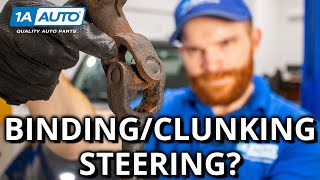
🎬 See how to diagnose clunky steering shaft joints.Buying a Used Rack and Pinion Assembly
For many owners, a low-mileage used OEM rack is a smart choice, offering factory quality at a significant discount compared to a new dealer part. Here’s what to look for.
Physical Inspection Checklist
- Check the Boots: The rubber bellows boots on each end of the rack are critical. They protect the inner workings from dirt and water. Inspect them carefully for any rips, tears, or signs of fluid leakage. A torn boot is a major red flag, as contaminants have likely already damaged the internal seals and gears.
- Inspect for Leaks: Look for any signs of power steering fluid residue, especially around the end seals (behind the boots) and where the fluid lines connect. Clean metal is good; oily, grimy buildup is not.
- Examine the Housing: Check the aluminum housing for any cracks, corrosion, or impact damage. A rack from a vehicle in a front-end collision should be avoided.
- Test the Inner Tie Rods: The rack assembly includes the inner tie rods. Grab each one and try to move it in and out. There should be no clunking or excessive play. While they can be replaced, worn inner tie rods on a used unit may suggest a hard life.
- Verify Part Numbers: The most crucial step is to match the part number to your vehicle's specific model (standard vs. Aero). OEM part numbers for the standard, non-Aero rack include 19207781 and 19207782. Always cross-reference with the seller to ensure compatibility.
Mileage and Value
Rack and pinion failure isn't strictly tied to mileage, but wear accelerates with age and use. Racks can fail anywhere from 80,000 to 150,000 miles or more. When buying used, look for a unit from a vehicle with the lowest possible mileage. A used OEM rack is often superior to a cheap, new aftermarket part, which may use lower-quality seals or have an incorrect steering ratio that negatively affects handling.
Cost Comparison for Rack and Pinion Replacement
Prices can vary based on location and the specific part chosen. Labor costs for this job are significant due to its complexity.
| Part Type | Estimated Part Cost | Notes |
|---|---|---|
| New OEM | $550 - $750+ | Highest quality and perfect fit, but most expensive. |
| Remanufactured | $350 - $500 | A rebuilt OEM core. Quality can vary by rebuilder. |
| New Aftermarket | $160 - $400 | Can be a budget-friendly option, but steering feel may differ and longevity can be a concern. |
| Used OEM | $75 - $250 | Excellent value, providing original factory quality from a low-mileage donor vehicle. |
| Shop Labor | $400 - $1,200 | Typically 3-6 hours of labor. An alignment is also required. |
Replacement Information and Related Parts
Replacing the rack and pinion is an advanced DIY job that requires proper tools and safety precautions. For most owners, professional installation is recommended.
Pro Tip: Before removing the old rack, count the number of exposed threads on the outer tie rod ends or mark their position. This helps get the new rack's alignment close enough to safely drive to an alignment shop.
Related Parts to Inspect and Replace
When replacing the steering rack, it's wise to inspect and often replace related components:
- Outer Tie Rod Ends: These connect the steering rack to the steering knuckles and wear out over time. It's highly recommended to replace them with the rack.
- Power Steering Fluid: The system must be completely flushed with fresh, correct-spec power steering fluid. The Saab 9-7x typically uses standard power steering fluid, though some sources suggest ATF is a possible substitute. Always check your owner's manual or use a quality synthetic power steering fluid.
- Power Steering Lines: Inspect the high-pressure and return lines for cracks, corrosion, or leaks, especially at the fittings. It's much easier to replace them while the rack is out.
- Sway Bar Links: These often need to be disconnected to access the rack and can be a source of clunking noises themselves. Inspect them for wear.
Special Procedures & Torque Specs
- System Flush: It is absolutely critical to flush the entire power steering system to remove any metal particles from the old, failing rack. Failure to do so can cause the new rack and the power steering pump to fail prematurely.
- Bleeding the System: After installation, the system must be bled of air. This is done by filling the reservoir and, with the engine running, slowly turning the steering wheel from lock to lock several times until no more bubbles appear in the fluid.
- Alignment: A full four-wheel alignment by a professional shop is mandatory after replacing the steering rack to ensure proper handling, safety, and to prevent rapid tire wear.
- Torque Specs: While specific GM torque specs should be referenced, general torque values for similar GMT360 vehicles are:
- Rack Mounting Bolts: ~81 ft-lbs
- Outer Tie Rod End Nut: ~44 ft-lbs
- Intermediate Shaft Pinch Bolt: ~29-35 ft-lbs
Frequently Asked Questions (FAQ)
What type of power steering fluid does the 2005-2009 Saab 9-7x use?
The Saab 9-7x uses conventional power steering fluid. While some general guides for GM trucks mention automatic transmission fluid (ATF) can be used, it is safest to use a fluid specifically labeled as power steering fluid to protect the seals in the system. Using a quality synthetic power steering fluid is a good upgrade.
Can I use a steering rack from a Chevrolet Trailblazer or GMC Envoy?
Yes, in most cases. The Saab 9-7x is based on the GM GMT360 platform, so the standard steering rack is interchangeable with those from the Chevrolet Trailblazer, GMC Envoy, Buick Rainier, and Isuzu Ascender of the same era, provided they are not from a high-performance model like the Trailblazer SS. You must ensure the part is for the standard suspension, not the SS or Aero performance suspension. Always verify part numbers for a perfect match.
Is a wheel alignment really necessary after replacing the rack?
Yes, it is absolutely essential. Replacing the rack and pinion assembly disconnects the entire steering linkage. Even if you carefully measure the tie rod positions, the alignment will be off. Skipping the alignment will result in poor handling, a crooked steering wheel, and will destroy your front tires in just a few thousand miles.
What's the difference between the standard 9-7x rack and the Aero rack?
The Saab 9-7x Aero (and its cousin, the Trailblazer SS) came with a high-performance steering rack with a quicker steering ratio. This means it takes less turning of the steering wheel to turn the front wheels, providing a sportier, more responsive feel. The standard rack has a slower ratio. The two are not interchangeable, and installing a standard rack on an Aero will make the steering feel much slower than intended.
Helpful Videos
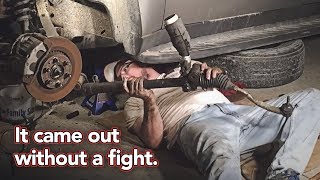
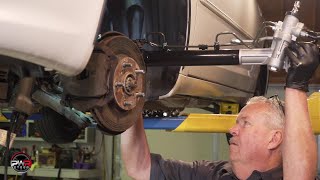
Technical Specifications
OEM Part Numbers: 19207781 19207782 26100288 26102962 88965340 19330461 19330462 88965489
Hydraulic power steering rack. Includes inner tie rods. Two main variants exist: a standard ratio for 4.2i and 5.3i models, and a quicker ratio for the Aero model.
We Have This Part in Stock


The information in this article is provided for general reference and educational purposes only. Vehicle specifications, procedures, and part compatibility can vary by production date, trim level, and region. Always consult your vehicle's factory service manual and verify part numbers before purchasing or performing repairs. Safety-critical components such as airbags, seat belts, and braking systems should be installed by a qualified professional.
- Saab 9-7x:
- 🎬 Helpful Videos
- 🛍️ Shop This Part
- Symptoms of a Failing Rack and Pinion Assembly
- Steering Fluid Leaks
- Noises When Steering
- Changes in Steering Feel
- Known Issues, Recalls, and Technical Service Bulletins (TSBs)
- Buying a Used Rack and Pinion Assembly
- Physical Inspection Checklist
- Mileage and Value
- Cost Comparison for Rack and Pinion Replacement
- Replacement Information and Related Parts
- Related Parts to Inspect and Replace
- Special Procedures & Torque Specs
- Frequently Asked Questions (FAQ)
- 🎟️ Get 5% Off