

2012-2016 Porsche Panamera Hybrid Steering Rack: Leaks, Noises, and Replacement Guide
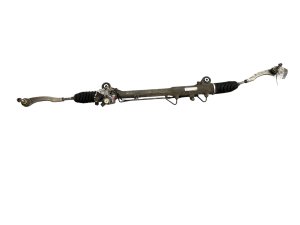
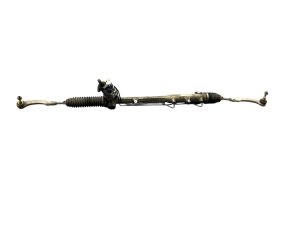
This guide covers the unique hydraulic power steering rack for the Panamera S Hybrid and S E-Hybrid, focusing on common failures, costs, and critical compatibility details.
- This rack is ONLY for 2012-2016 Panamera S Hybrid & S E-Hybrid models with Servotronic steering (option I658).
- The most common failure is leaking seals, visible as green fluid inside the rubber bellows boots at the ends of the rack.
- A known TSB addresses leaks from the power steering lines where they connect to the rack; this issue requires replacing the lines, not the rack itself.
- Replacement is a complex job that may require lowering the front subframe; it is not recommended for novice mechanics.
Symptoms of a Failing Rack and Pinion
A failing steering rack on the Panamera Hybrid can present several distinct symptoms. Because the system is hydraulic and electronically controlled (Servotronic), failures can be either mechanical or related to the control system.
Noises and Vibrations
- Whining or Groaning: A whining noise that gets louder when you turn the steering wheel often points to low power steering fluid, which could be caused by a leak in the rack or its connecting hoses.
- Clunking or Knocking: A clunking sound, especially when turning at low speeds or going over bumps, can indicate worn internal components within the rack or failing rack mounting bushings.
- Clicking or Popping: While often associated with bad tie rod ends, a clicking or popping felt through the steering wheel can also originate from a worn rack.
Steering Feel and Performance
- Increased Steering Effort: If turning the wheel becomes noticeably difficult, especially at low speeds, it's a classic sign of power steering failure. This could be due to a major fluid leak, a failing power steering pump, or an internal failure in the rack's hydraulic passages. One owner of a 2012 Panamera reported a sudden and complete loss of power steering that made the car extremely difficult to manage.
- Loose or Vague Steering: A feeling of excessive play or a "dead spot" in the steering can mean the internal gears of the rack are worn or the mounting bushings have deteriorated, allowing the entire rack to move slightly before the wheels respond.
- Uneven Steering Assist: If the wheel is easy to turn in one direction but hard in the other, this often points to a failure of the seals inside the rack, causing fluid to bypass on one side.
Fluid Leaks
Fluid leaks are the most common indicator of a problem. The power steering fluid, typically Pentosin CHF 202, is a green synthetic hydraulic fluid.
- Puddles Under the Car: Obvious green fluid drips on the ground under the front of the engine are a sure sign of a leak.
- Wet Bellows Boots: The most common failure point for seals is at the ends of the steering rack. Fluid will leak past the seal and collect inside the rubber bellows boot that protects the inner tie rod. A wet, swollen, or dripping boot is a definitive sign of a bad rack seal. One owner confirmed a leak by removing the boot and finding it full of fluid.
- Low Fluid Level: If you repeatedly need to top off the power steering fluid reservoir, you have a leak that needs to be addressed immediately. Running the system low on fluid can damage the power steering pump.
Compatibility Warning: This steering rack is specifically for 2012-2016 Porsche Panamera S Hybrid and S E-Hybrid models equipped with Servotronic speed-sensitive steering (option code I658). It will NOT fit non-hybrid models or vehicles without the Servotronic option. The Panamera S Hybrid uses an Audi-sourced 3.0L V6 engine, which can lead to different part requirements compared to other Panamera models. Always verify fitment using your vehicle's 17-digit VIN before purchasing.
Known Issues, TSBs, and Recalls
While there are no recalls specifically for the 2012-2016 Panamera Hybrid steering rack, there is a relevant Technical Service Bulletin (TSB).
- TSB #ATI-1202 / 122-Y6Q8V-06: Released in June 2012 for 2010-2012 Panamera models, this TSB addresses power steering fluid leaks where the lines connect to the steering rack. The cause is a damaged O-ring resulting from an imperfection in the line itself. The official repair procedure requires replacing the entire power steering line assembly, not just the O-ring. The TSB explicitly notes that it is not necessary to replace the steering rack for this specific leak.
A widely publicized recall for power steering failure (NHTSA 18V-898) affected 2017-2018 Panameras, which are the next generation (971 chassis). That issue was caused by a software bug in the electric power steering system and does not apply to the hydraulic system in the 2012-2016 models covered here.
Buying a Used Rack and Pinion Assembly
A used OEM rack and pinion can be a cost-effective alternative to a brand new unit, which can be extremely expensive. Given that failures are often due to seal degradation rather than hard part wear, a low-mileage used rack is a viable option. Here’s what to look for:
Physical Inspection
- Check the Bellows Boots: Squeeze the rubber boots on both ends of the rack. They should be dry and flexible. If you feel fluid inside, or if the boots are torn, cracked, or coated in oil, the rack seals have failed. This is the most important check.
- Inspect the Housing: Look for any cracks, heavy corrosion, or damage to the aluminum housing, especially around the mounting points.
- Examine the Hydraulic Lines and Ports: Ensure the threaded ports for the hydraulic lines are clean and undamaged. Check any included hard lines for kinks or severe corrosion.
- Check the Input Shaft: The splined input shaft where the steering column connects should be straight and the splines should be in good condition.
- Verify Servotronic Connector: Ensure the electrical connector for the Servotronic valve is present and undamaged.
Mileage and Sourcing
- Is Mileage a Concern? Yes, but failures are not strictly tied to a specific mileage. While some systems can last well over 100,000 miles, others have failed earlier. A 2010 Turbo owner reported a failure at 65,000 miles, while another owner purchased a 2012 model with 166,000 miles on the original rack. A lower-mileage unit from a reputable recycler is generally a safer bet.
- Why Used OEM vs. New Aftermarket? For a complex, high-pressure component like this, a recycled OEM rack is often superior to a cheap new aftermarket part. The fitment, materials, and internal tolerances of the original Porsche/ZF part are designed specifically for the vehicle's performance characteristics, including the precise operation of the Servotronic system.
Cost of Replacement
Replacing the steering rack on a Panamera Hybrid is a significant expense, primarily due to the high cost of the part itself.
| Part Type | Estimated Cost | Notes |
|---|---|---|
| New OEM | $2,800 - $5,700 | Price varies significantly by exact part number and supplier. |
| Remanufactured OEM | $1,900 - $2,100 | Requires sending your old rack in as a core. |
| Used OEM | $225 - $500 | A cost-effective option, but requires careful inspection. |
| New Aftermarket | $950 - $1,200 | Quality can be inconsistent compared to OEM. |
| Shop Labor | $650 - $950 | This is a labor-intensive job that may require lowering the front subframe. |
Replacement and Installation Tips
This is an advanced DIY or professional-level job. The process is complex and requires special tools.
Pro Tip: On similar chassis, mechanics often find it necessary to slightly lower the rear of the front subframe to gain enough clearance to remove the rack. Removing the driver's side inner tie rod can also shorten the assembly enough to snake it out of the passenger side wheel well.
- Related Parts: It is highly recommended to replace the outer tie rod ends at the same time as the rack. You will need a wheel alignment after the job is complete anyway, and this ensures the entire steering linkage is fresh. Also plan on using new O-rings for the hydraulic line connections and consider replacing the single-use stretch bolts and nuts for the rack mounting points.
- Fluid Bleeding: After installation, the system must be properly bled to remove all air. This typically involves filling the reservoir, and with the front wheels off the ground, turning the steering wheel from lock to lock several times with the engine off, then repeating with the engine on, while keeping the reservoir topped up.
- Calibration: While the rack itself does not typically require programming, the work may disturb the steering angle sensor. If you get a "Steering support limited" warning light after replacement, the steering angle sensor may need to be recalibrated using a compatible diagnostic tool like the PIWIS tester or a high-end aftermarket scanner.
Frequently Asked Questions (FAQ)
Do I need to program the new steering rack?
No, the hydraulic steering rack itself does not require programming. The speed-sensitive Servotronic function is controlled by the Body Control Module (BCM), which sends a signal to a simple valve on the rack. However, you may need to perform a steering angle sensor calibration after the replacement is complete.
Can I just replace the leaking seal or bushings?
Steering rack seals are generally not sold separately, so a leak from the main end seals requires replacing or remanufacturing the entire rack assembly. In some cases, worn mounting bushings can be replaced separately to fix a clunking noise or slight movement, as one owner reported doing at 94,000 miles. However, if the rack itself is leaking, new bushings will not solve the problem.
What power steering fluid should I use?
The recommended fluid for the 2012-2016 Panamera is Pentosin CHF 202, which is a high-performance synthetic hydraulic fluid. Do not use standard universal power steering fluid or transmission fluid, as this can damage the seals and pump.
Is it better to buy a used OEM rack or a remanufactured one?
Both are good options. A low-mileage used OEM rack can be very cost-effective. A remanufactured rack from a reputable company will have new seals and be tested, often coming with a warranty, but at a higher cost. The choice depends on your budget and risk tolerance. Avoid the cheapest new aftermarket options, as their long-term reliability can be questionable.
Technical Specifications
OEM Part Numbers: 970347005 97034700523 97034701122 97034701123 97034701124 97034701126 97034701116 970347011TX 970347011GX 970347011FX
System Type: Hydraulic with Servotronic (speed-sensitive) assist Required Fluid: Pentosin CHF 202 Synthetic Hydraulic Fluid
We Have This Part in Stock



The information in this article is provided for general reference and educational purposes only. Vehicle specifications, procedures, and part compatibility can vary by production date, trim level, and region. Always consult your vehicle's factory service manual and verify part numbers before purchasing or performing repairs. Safety-critical components such as airbags, seat belts, and braking systems should be installed by a qualified professional.
- Porsche Panamera:
- 🛍️ Shop This Part
- Symptoms of a Failing Rack and Pinion
- Noises and Vibrations
- Steering Feel and Performance
- Fluid Leaks
- Known Issues, TSBs, and Recalls
- Buying a Used Rack and Pinion Assembly
- Physical Inspection
- Mileage and Sourcing
- Cost of Replacement
- Replacement and Installation Tips
- Frequently Asked Questions (FAQ)
- 🎟️ Get 5% Off