

2014-2018 Mazda 3 Electric Steering Rack: Failure Symptoms, Calibration, and Replacement
This guide covers the common failures of the electric power steering rack in the 2014-2018 Mazda 3, including the critical calibration steps required after replacement.
- The 2014-2018 Mazda 3 uses an electric power steering (EPAS) rack; failure results in a warning light and very heavy steering.
- After replacing the rack, a Steering Angle Sensor (SAS) calibration with a professional scan tool is mandatory for the system to work correctly.
- Replacement is a major job that requires removing the front subframe and must be followed by a wheel alignment.
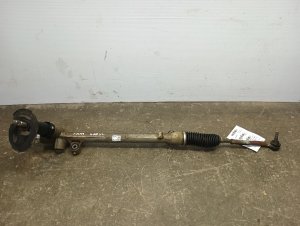
- A used OEM rack is a reliable and cost-effective option, but you must inspect the electrical connectors for damage before buying.
Symptoms of a Failing Rack and Pinion
Failure of the electric steering rack in the 2014-2018 Mazda 3 is typically an electronic or internal mechanical issue, not a fluid leak as in older systems. Watch for these specific signs.
- Power Steering Warning Light: The most common symptom is the illumination of the power steering malfunction indicator on your dashboard. This light looks like a steering wheel with an exclamation point next to it.
- Heavy or Stiff Steering: The steering may suddenly become very difficult to turn, especially at low speeds. This indicates a partial or complete loss of electric assist. In some cases, the steering may feel normal at first and then become heavy after driving for a short time.
- Steering Wheel Vibration: A noticeable vibration or jerky feeling in the steering wheel while turning can point to a problem with the electric motor or gears inside the rack.
- Clunking or Rattling Noises: A clunking or rattling sound from the front of the car, especially when driving over bumps or turning at low speeds, can indicate worn internal components or loose inner tie rods.
- Vehicle Pulling to One Side: If the car consistently pulls to one side, it could be caused by a faulty sensor within the steering rack providing uneven assistance. However, this symptom should always be diagnosed properly, as it is more commonly caused by wheel alignment or tire issues.
Associated OBD-II Trouble Codes
A professional scan tool can pull codes from the Power Steering Control Module (PSCM). Common codes related to steering rack failure include:
- C0051:54: This code points to an issue with the Steering Wheel Position Sensor, which is integrated into the system. It may indicate a need for calibration or a fault in the sensor itself.
- U-Series Codes (e.g., U2023): Communication codes like these can indicate that the power steering module is not communicating correctly with other modules in the vehicle, such as the Powertrain Control Module (PCM).
Known Issues, TSBs, and Recalls
While there are no major safety recalls specifically for the steering rack on this generation of Mazda 3, some related service bulletins exist.
- TSB 06-001/15: For 2014-2015 models, Mazda issued a Technical Service Bulletin for a "thumping noise" heard when the steering wheel is turned all the way to the left while starting to move. This is caused by the inner ball joint making contact with the steering gear housing. The fix involves replacing the driver's side tie-rod assembly with a modified part.
Pro Tip: There have been no safety recalls issued by the NHTSA for the steering rack and pinion assembly on the 2014-2018 Mazda 3. Recalls for other systems, like the rearview camera, do exist for these model years.
CRITICAL: Programming and Calibration Requirements
This is the most important consideration when replacing the steering rack on a 2014-2018 Mazda 3.
YES, calibration is required after installation. The system relies on a Steering Angle Sensor (SAS) to know the position of the steering wheel. When the rack is replaced, the relationship between the steering wheel, the sensor, and the wheels changes. The system's center point must be reset.
- What is required? A Steering Angle Sensor (SAS) calibration or reset. This procedure tells the control module where the "straight ahead" position is.
- How is it done? The proper method is with a professional-grade scan tool. After the new rack is installed and a wheel alignment is completed, the technician connects the scan tool and follows the menu prompts for the SAS reset or calibration function.
- Who can do it? An authorized Mazda dealer or a well-equipped independent repair shop can perform the calibration. Most DIY-level scan tools do not have this function.
- What about a manual reset? Some sources mention a manual procedure of turning the wheel lock-to-lock to initialize the sensor, but this is typically for re-learning after a battery disconnect, not after a major component replacement. Relying on this method after a rack replacement may leave the system uncalibrated, leading to warning lights and improper operation of the stability control system.
Warning: Failure to perform the SAS calibration can result in a persistent power steering warning light, incorrect steering feel, and the disabling of the vehicle's Dynamic Stability Control (DSC) and traction control systems, as they rely on accurate steering angle data to function.
Buying a Used Rack and Pinion Assembly
A used OEM steering rack is an excellent, cost-effective alternative to an expensive new unit, especially since the failure is often electronic. Aftermarket electronic parts can be unreliable and may have compatibility issues with the vehicle's software.
What to Inspect:
- Electrical Connectors: Check the main electrical connector and any other sensor plugs. Ensure they are not cracked, corroded, or have bent pins. This is the most common point of damage during removal or shipping.
- Tie Rods: While you will likely replace the outer tie rod ends, inspect the inner tie rods (where they enter the boots). There should be no excessive play or clunking.
- Rubber Boots: Inspect the rubber boots on both ends of the rack. They should be free of rips, tears, or holes. A torn boot allows dirt and water to enter, which will quickly destroy the internal gearing.
- Housing: Look for any cracks or significant impact damage on the aluminum housing of the rack and motor.
- Part Number Verification: Match the OEM part number from your original rack to the used replacement. While many part numbers and their revisions (e.g., GHT2-32-110B, GHT2-32-110C, etc.) are interchangeable, an exact match is the safest way to ensure compatibility.
Replacement Overview and Difficulty
Replacing the steering rack on a 2014-2018 Mazda 3 is a difficult and labor-intensive job.
- Difficulty Rating: 5 out of 5. This is not recommended for beginner or intermediate DIY mechanics.
- Key Steps: The process requires supporting the engine and completely removing the front subframe from the vehicle to access and remove the rack. It also involves disconnecting the steering shaft from inside the vehicle, removing the outer tie rod ends from the steering knuckles, and carefully unplugging all electrical connections.
- Mandatory Follow-up: A full four-wheel alignment is absolutely required after installation. This is followed by the SAS calibration.
Cost Breakdown
Prices can vary significantly based on location and supplier.
| Part Type | Estimated Cost |
|---|---|
| New OEM | $650 - $900 |
| New Aftermarket | $170 - $350 |
| Used OEM | $70 - $200 |
| Remanufactured | $250 - $450 |
| Shop Labor | $350 - $550 (plus alignment and calibration) |
Frequently Asked Questions (FAQ)
Does a used steering rack for a Mazda 3 need to be programmed?
It does not require VIN programming, but it absolutely requires a Steering Angle Sensor (SAS) calibration using a scan tool after installation and wheel alignment. Without this step, the power steering and stability control systems will not function correctly.
Can I drive with a bad electric steering rack?
It is not recommended. While the steering wheel can still be operated manually, it will require significantly more physical effort, especially at low speeds, which can be dangerous in an emergency situation. If the power steering warning light is on, you should have the vehicle inspected immediately.
Why is my Mazda 3 steering so heavy?
Heavy steering is the primary symptom of a failing electric power steering system. It means the electric motor is no longer providing assistance. This can be due to a fault within the rack assembly itself, a bad sensor, or a communication error between control modules.
Is a clunking noise from the steering always the rack and pinion?
Not always. While a clunking noise can indicate a worn rack, it can also be caused by more common and less expensive issues like worn sway bar end links, bad ball joints, or worn control arm bushings. A thorough inspection by a mechanic is needed to pinpoint the source of the noise.
Technical Specifications
OEM Part Numbers: BJS732110 BJS732110A BJS732110B BJS832110 GHT232110 GHT232110A GHT232110B GHT232110C GHT232110D GHT232110E
System Type: Electric Power Assisted Steering (EPAS)
We Have This Part in Stock



The information in this article is provided for general reference and educational purposes only. Vehicle specifications, procedures, and part compatibility can vary by production date, trim level, and region. Always consult your vehicle's factory service manual and verify part numbers before purchasing or performing repairs. Safety-critical components such as airbags, seat belts, and braking systems should be installed by a qualified professional.
- Mazda 3:
- 🛍️ Shop This Part
- Symptoms of a Failing Rack and Pinion
- Associated OBD-II Trouble Codes
- Known Issues, TSBs, and Recalls
- CRITICAL: Programming and Calibration Requirements
- Buying a Used Rack and Pinion Assembly
- What to Inspect:
- Replacement Overview and Difficulty
- Cost Breakdown
- Frequently Asked Questions (FAQ)
- 🎟️ Get 5% Off