

1995-1996 Ford Windstar Rack and Pinion: Noises, Leaks, and Replacement Guide
This guide covers diagnosing common steering problems, from whining pumps to wandering, and shows you how to choose a reliable used replacement rack for your 1995-1996 Windstar.
- Compatibility is critical: Ensure the replacement rack has the 'SPRHH' identification tag to match the original part for 15" or 16" wheels.
- Subframe access is the biggest challenge: Replacing this part often requires lowering the rear of the front subframe, making it a difficult job for beginners.
- A wheel alignment is mandatory after replacement to prevent unsafe handling and rapid tire wear.
- Fluid leaks and whining noises when turning are the most common early symptoms of a failing rack and pinion.
Symptoms of a Failing Rack and Pinion
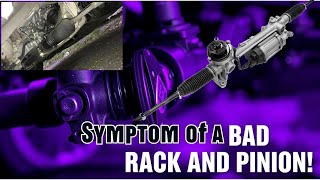
A failing rack and pinion assembly on a 1995-1996 Ford Windstar will give several warning signs. Paying attention to these symptoms can help you diagnose the problem before it leads to a complete loss of power steering.
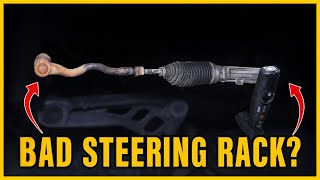
🎬 Watch: 8 symptoms of a bad steering rack explained- Power Steering Fluid Leaks: This is the most common sign. You may notice reddish or brown fluid puddles under the front of your van. Leaks often occur at the seals on either end of the rack, which are protected by rubber bellows boots. A burning oil smell can also accompany a significant leak.
- Whining or Groaning Noises: A whining, groaning, or squealing noise, especially when turning the steering wheel at low speeds, often points to a problem. This is typically caused by air getting into the hydraulic system due to a leak or a failing power steering pump struggling to build pressure.
- Clunking or Knocking Sounds: If you hear a clunking or knocking sound when turning or going over bumps, it can indicate worn internal gears inside the rack or loose mounting bushings.
- Stiff or Heavy Steering: If turning the wheel suddenly requires much more effort, especially when parking or at low speeds, it's a classic sign of lost power steering assist. This can happen intermittently at first, a condition sometimes called "morning sickness" where steering is stiff until the vehicle warms up.
- Loose or Wandering Steering: A feeling of excessive play or a "dead spot" in the steering wheel means the internal components are worn. The van may feel like it's wandering on the highway, requiring constant small corrections to keep it straight. 🎬 See: 6 signs of a bad rack and pinion
Important: While the 1995-1996 Windstar models were not part of the major front subframe rust recalls that affected 1999-2003 models, severe corrosion in rust-belt states can still affect steering components and their mounting points. Always inspect the subframe for significant rust when diagnosing steering issues.
Buying a Used 1995-1996 Windstar Rack and Pinion
A recycled OEM rack and pinion can be a reliable and cost-effective alternative to expensive new parts or sometimes inconsistent remanufactured units. Here’s what to look for when buying used:
- Compatibility Verification: The most critical step is to verify compatibility. The original rack should have an identification tag marked 'SPRHH'. Ensure the replacement part has this same identifier. These racks were designed for models with 15-inch or 16-inch wheels.
- Physical Inspection:
- Check the Bellows Boots: The rubber boots on each end of the rack must be intact, with no rips, cracks, or holes. Damaged boots allow dirt and water to enter, which quickly destroys the inner seals and causes leaks.
- Look for Leaks: Inspect the area around the boots and where the fluid lines connect. Any signs of fresh, wet fluid indicate a leaking seal. A part that is merely grimy from road dirt is acceptable, but avoid any rack that is actively wet with power steering fluid.
- Inspect the Tie Rods: This assembly typically includes the outer tie rod ends. Check that the threads are not damaged and that the ball joint boots on the tie rod ends are not torn. While you can replace the tie rod ends separately, getting a unit with good ones saves time and money.
- Check for Bending: Sight down the length of the main rack housing and the inner tie rods. Any bending from an accident will render the part useless.
- Mileage and Source Vehicle: Whenever possible, choose a part from a lower-mileage vehicle (ideally under 150,000 miles). A part from a vehicle that was taken off the road due to a rear-end collision is often a better choice than one from a vehicle with a major front-end impact.
Pro Tip: When you receive the used rack, flush it with a small amount of the correct power steering fluid (see FAQ) before installation to clear out any old fluid or debris from the lines.
Cost to Replace a 1995-1996 Ford Windstar Rack and Pinion
The cost can vary significantly based on the part source and labor rates. This job is labor-intensive, often requiring the front subframe to be lowered for access.
| Item | Estimated Cost | Notes |
|---|---|---|
| New OEM | $500 - $700+ | Often difficult to find for a vehicle of this age. |
| New Aftermarket | $150 - $250 | Prices from retailers like Detroit Axle. Quality can vary. |
| Remanufactured | $130 - $230 | A common option. Core charge often applies. |
| Used OEM | $75 - $150 | Offers OEM quality and fit at a lower price point. |
| Shop Labor | $390 - $575 | RepairPal estimates 3-5 hours of labor. This can be higher if subframe bolts are rusted and seized. |
| Wheel Alignment | $80 - $120 | Mandatory after replacement. |
| Total (Professional) | $780 - $960 | Based on using a remanufactured part and average labor. |
Replacement Overview and Special Procedures
Replacing the rack and pinion on a 1995-1996 Windstar is a difficult job, generally recommended for experienced DIY mechanics or professionals. The process typically requires 4-6 hours.
Key Steps & Considerations:
- Access: The biggest challenge is access. On many Windstars, the rear of the engine subframe must be lowered to create enough space to remove the rack assembly. This requires safely supporting the engine and subframe with jacks.
- Fluid Lines: The high-pressure and return lines must be disconnected from the rack. Use a flare nut wrench to avoid stripping the fittings. Be prepared for fluid to drain. New O-rings or nylon sealing washers should be used during reassembly.
- Steering Shaft: The intermediate steering shaft must be disconnected from the rack's input shaft. It is critical to lock the steering wheel in place before doing this to avoid damaging the clockspring in the steering column, which is essential for the airbag and horn.
- Tie Rods: The outer tie rod ends must be separated from the steering knuckles. A tie rod puller (pickle fork) is often required. Before removing, it's a good practice to count the number of turns to unscrew the old tie rod ends or measure their position to get the alignment close for the drive to the alignment shop.
- Torque Specs: Proper torque is crucial for safety. While specific values should be confirmed with a service manual, general torque specs for similar vehicles are around 60-85 ft-lbs for rack mounting bolts and 35-50 ft-lbs for the outer tie rod end nuts.
- Bleeding the System: After installation and refilling with fluid, the system must be bled of air. This is done by starting the engine and slowly turning the steering wheel from full lock to full lock several times until the whining noise stops.
- Wheel Alignment: A full front-end wheel alignment is not optional. It must be performed immediately after replacement to ensure proper handling and prevent rapid tire wear. 🎬 Watch: Step-by-step Windstar rack and pinion swap
Related Parts to Inspect
When replacing the rack and pinion, it's wise to inspect related components that may be worn or failing:
- Power Steering Hoses: Check the high-pressure and return lines for cracks, brittleness, or leaks, especially at the crimped fittings. It's often easiest to replace them at the same time as the rack.
- Power Steering Pump: If the fluid in the reservoir has metal particles or is very dark, the pump may be failing and sending debris through the system. A failing pump can quickly damage a new rack.
- Outer Tie Rod Ends: Although often included with the rack assembly, if they are separate, now is the time to replace them.
- Sway Bar Links and Bushings: Since you are working in the area, inspect these suspension components for wear.
Frequently Asked Questions (FAQ)
What type of power steering fluid should I use in a 1995-1996 Windstar?
Ford specifications for this era can be confusing. While some original manuals may have specified Type F Automatic Transmission Fluid (ATF), Ford later updated its recommendation. The most commonly accepted fluid is now MERCON V ATF. Using the wrong fluid can cause seals to break down and lead to pump noise. Always double-check your owner's manual or a current fluid guide.
Do I really need a wheel alignment after replacing the rack?
Yes, absolutely. Replacing the rack and pinion assembly, including the inner and outer tie rods, completely changes the front wheels' toe angle. Driving without an alignment will cause poor handling, wandering, and will destroy your front tires in a very short time.
What is the 'SPRHH' tag mentioned for this part?
The 'SPRHH' is a factory identification code stamped on a metal tag on the original steering rack. It ensures you are getting the exact correct part for your vehicle's specific configuration (e.g., wheel size, turning ratio). It is crucial to match this code when sourcing a used replacement to guarantee proper fit and function.
Can I just replace the leaking seals instead of the whole rack?
While seal kits are available, rebuilding a rack and pinion is a complex job that requires special tools and expertise. If the internal hard parts (the rack gear or pinion valve) are worn, simply replacing the seals won't fix underlying issues like loose steering. For most DIY and professional mechanics, replacing the entire assembly with a quality used or remanufactured unit is more reliable and time-efficient.
Helpful Videos
Technical Specifications
OEM Part Numbers: F58Z-3L547-AA F58Z3L547AA F78Z-3L547-AA F78Z3L547AA
Identification Tag: SPRHH. Fits models with 15-inch or 16-inch wheels. Assembly includes outer tie rod ends.
We Have This Part in Stock


The information in this article is provided for general reference and educational purposes only. Vehicle specifications, procedures, and part compatibility can vary by production date, trim level, and region. Always consult your vehicle's factory service manual and verify part numbers before purchasing or performing repairs. Safety-critical components such as airbags, seat belts, and braking systems should be installed by a qualified professional.
- Ford Windstar: