

1999-2001 Dodge Ram 1500 Steering Wander: A Guide to the Steering Gear Box
This in-depth guide explains the common steering wander issue, clarifies why it's a steering gear box (not a rack and pinion), and details how to diagnose, replace, and buy a used unit for your truck.
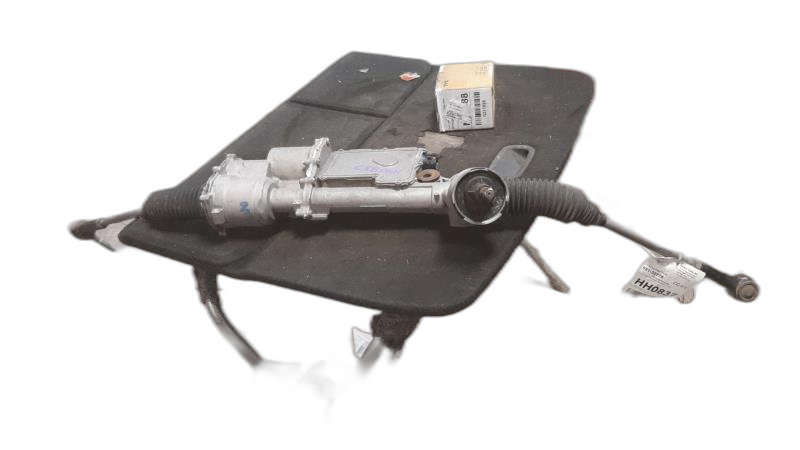
- This part is a steering gear box, NOT a rack and pinion. Ordering the wrong part is a common mistake.
- Fitment is critical: This part is for 1999-2001 Ram 1500 Regular Cab models with a 6.5-foot bed ONLY.
- The primary symptom of failure is steering 'wander' or excessive play, a well-documented issue addressed in Dodge TSBs.
- When replacing, using the correct ATF+4 fluid and properly bleeding the system of air is essential for proper operation.
Is It a Rack and Pinion or a Steering Gear Box?
First, let's clear up a common point of confusion. The 1999-2001 Dodge Ram 1500 does not use a rack and pinion steering system. It is equipped with a traditional recirculating ball steering gear box. While some parts sellers may incorrectly label it as a 'rack and pinion', they are mechanically different. A steering gear box is a heavier-duty design typically used on trucks and body-on-frame vehicles, while a rack and pinion is lighter and more common on modern passenger cars. Ordering a 'rack and pinion' for this truck will result in receiving the incorrect part.
Critical Compatibility Warning: This specific steering gear box, including OEM part numbers 52113556AA, 52113556AB, 52113556AC, and 52113556AE, is only verified to fit Regular Cab models with the 6.5-foot bed. It will not fit Club Cab or Quad Cab models. Always verify your truck's cab and bed configuration before ordering a replacement.
Known Issues, TSBs, and Recalls
Steering wander is a well-documented issue on these trucks. Owners often describe a feeling of 'sloppy' or loose steering, requiring constant small corrections to keep the truck driving in a straight line. This is frequently caused by internal wear within the steering gear box.
Technical Service Bulletins (TSBs)
Dodge released several TSBs related to steering problems on these models:
- TSB 19-002-01 REV. A: This bulletin provides a detailed diagnostic procedure for 'Steering Sensitivity/Wander'. It acknowledges that slight steering corrections may be necessary to keep the vehicle straight and outlines steps to check alignment, suspension components, and tire pressures before condemning the steering gear.
- TSB #0053 (for 2001 models): Addresses 'sensitive steering and... a steering wander condition' specifically on long wheelbase trucks.
- TSB #190499 (for 1999 models): Notes customer complaints that the 'steering system feels heavy or the steering wheel is not centered'.
- TSB #190399 (for 1999 models): Mentions 'conditions with steering slow to return to center'.
Recalls
There are no recalls specifically for the steering gear box on the 1999-2001 Ram 1500. However, two related recalls are worth noting:
- NHTSA #01V-153: Affects the clockspring inside the steering wheel. Sound-deadening material can dislodge and damage the clockspring, disabling the driver's airbag and illuminating the airbag warning light.
- NHTSA #00V307: On certain Quad Cab models, upper control arm bolts could fail, potentially allowing the axle to rotate and twist the steering linkage.
Symptoms of a Failing Steering Gear Box
A worn steering gear box will present several distinct symptoms. Here’s what to look and listen for:
- Excessive Steering Play or 'Wander': This is the most common complaint. You'll notice a large dead spot in the center of the steering, requiring you to constantly move the wheel back and forth to keep the truck straight on the highway.
- Popping or Grinding Noises: You may hear grinding, popping, or thumping sounds when turning the wheel, especially at low speeds or when stationary. Some owners report a 'honking' noise while turning.
- Binding or Uneven Steering Effort: The steering may feel smooth in some spots and then suddenly become hard to turn, or vice-versa. This indicates internal wear on the worm and sector gears.
- Fluid Leaks: Power steering fluid (which is ATF+4 on these trucks) may leak from the input shaft seal (where the steering column connects) or the output/sector shaft seal (where the Pitman arm attaches).
- Vehicle Pulling to One Side: While often an alignment issue, severe internal wear or binding in the steering gear can also cause the truck to pull.
How to Diagnose a Worn Steering Gear Box
You can check for play in the steering gear with a helper. This test separates play in the gearbox from wear in other steering components.
- With the engine off and the truck on the ground, have a helper sit in the driver's seat.
- Get under the front of the truck and safely observe the steering gear box. You need a clear view of the input shaft (coming from the steering column) and the Pitman arm (the large arm on the bottom).
- Instruct your helper to slowly rock the steering wheel back and forth, just enough to take up the slack.
- Watch the input shaft and the Pitman arm. If you see the input shaft rotating back and forth without the Pitman arm moving, there is excessive play inside the steering gear box. The Pitman arm should move almost instantly with the input shaft.
- Also, try to wiggle the sector shaft where the Pitman arm attaches. There should be no side-to-side movement, only rotational movement.
Buying a Used Steering Gear Box: What to Look For
A quality used OEM steering gear can be a reliable and cost-effective solution, especially since new OEM units are discontinued and many aftermarket remanufactured boxes have a poor reputation. Here’s how to inspect a used part:
- Check for Leaks: Thoroughly inspect the areas around the input and output (sector) shaft seals. Look for signs of fresh fluid or areas that have been washed clean by a leak. Pay close attention to the bottom seal where the Pitman arm connects, as this is a common failure point.
- Perform a Play Test: Even off the vehicle, you can check for major internal wear. Grip the splined input shaft with a pair of pliers or vice grips and try to turn it. You should feel immediate resistance and see the output sector shaft begin to rotate. If there's a noticeable 'dead spot' before the output moves, the unit has excessive internal play.
- Inspect the Mounting Points: There are three mounting holes that bolt through the frame. Ensure these are not cracked, broken, or excessively corroded.
- Verify Part Numbers: If possible, match the OEM part number to the ones listed (52113556AA, AB, AC, AE). This helps confirm you have the correct part for your Regular Cab truck.
- Ask About Mileage: While not always available, a steering gear from a lower-mileage vehicle is always preferable. High-mileage units are more likely to have internal wear.
Pro Tip: Many forum users strongly recommend upgrading to a premium remanufactured unit from a specialist like Red-Head Steering Gears. While more expensive than a standard reman or a used part, they are re-engineered to be more durable than the original factory design and are often seen as a permanent solution to the common steering wander problem.
Replacement Overview
Replacing the steering gear box is a moderately difficult job for a DIY mechanic.
- Difficulty: 4 out of 5.
- Special Tools: A Pitman arm puller is essential. You will not be able to remove the Pitman arm from the old gear box without it.
- Key Steps: The process involves securing the steering wheel to prevent clockspring damage, draining the power steering fluid, disconnecting the high and low-pressure fluid lines, removing the Pitman arm nut and using a puller to separate the arm, unbolting the steering shaft, and finally unbolting the heavy gear box from the frame.
- Flushing and Bleeding: It is critical to flush the power steering system to remove any metal debris from the old, failing gear. After installation, the system must be properly bled of all air. This is typically done by jacking the front wheels off the ground and turning the steering wheel lock-to-lock multiple times with the engine off, then repeating with the engine on, while keeping the fluid reservoir full. Air in the system will cause a whining power steering pump and erratic steering assist.
Cost Comparison
| Part Type | Estimated Cost | Notes |
|---|---|---|
| New OEM | N/A | Part is discontinued by Mopar and no longer available new. |
| Remanufactured (Standard) | $150 - $300 | Widely available, but quality can be inconsistent. Often just resealed, not rebuilt. |
| Remanufactured (Premium) | $500 - $800 | From specialists like Red-Head. Machined with tighter tolerances to fix wander issues. |
| Used OEM | $75 - $200 | A good option if inspected carefully from a low-mileage vehicle. |
| Shop Labor | $185 - $270 | Typically 2-3 hours of labor. |
Frequently Asked Questions (FAQ)
What fluid do I use for my 1999-2001 Ram 1500 power steering?
These trucks do not use generic power steering fluid. The correct fluid is Mopar ATF+4 (Automatic Transmission Fluid). Using the wrong fluid can damage the seals and the power steering pump.
Can I just adjust my old steering gear to fix the play?
There is an adjustment screw on top of the gear box, but it is only meant to set the gear lash preload. While a very slight adjustment might temporarily reduce play, over-tightening it can cause the steering to bind or fail to return to center, which is very dangerous. If the box is worn internally, adjustment is not the proper fix and replacement is necessary.
Do I need an alignment after replacing the steering gear box?
Yes. Although the steering gear replacement itself doesn't change alignment angles, the process involves disconnecting the steering linkage. A full four-wheel alignment is highly recommended to ensure the steering wheel is centered and the vehicle tracks straight.
What is a steering box stabilizer and do I need one?
A steering box stabilizer is an aftermarket bracket that adds a bearing to support the bottom of the sector shaft, reducing side-to-side flex. This is a very popular upgrade for Dodge Rams as it helps prevent frame flex and premature wear on the steering gear, resulting in a more solid steering feel. While not required, it is highly recommended, especially on trucks with larger tires.
Technical Specifications
OEM Part Numbers: 52113556AA 52113556AB 52113556AC 52113556AE
System Type: Recirculating Ball Steering Gear Box Power Steering Fluid Type: Mopar ATF+4
We Have This Part in Stock

The information in this article is provided for general reference and educational purposes only. Vehicle specifications, procedures, and part compatibility can vary by production date, trim level, and region. Always consult your vehicle's factory service manual and verify part numbers before purchasing or performing repairs. Safety-critical components such as airbags, seat belts, and braking systems should be installed by a qualified professional.
- Dodge Ram 1500:
- 🛍️ Shop This Part
- Is It a Rack and Pinion or a Steering Gear Box?
- Known Issues, TSBs, and Recalls
- Technical Service Bulletins (TSBs)
- Recalls
- Symptoms of a Failing Steering Gear Box
- How to Diagnose a Worn Steering Gear Box
- Buying a Used Steering Gear Box: What to Look For
- Replacement Overview
- Cost Comparison
- Frequently Asked Questions (FAQ)
- 🎟️ Get 5% Off