

2015-2018 Challenger 6.2L Hydraulic Steering Rack: Failure, Costs, and Replacement
A complete guide to the specific hydraulic power steering rack used in 6.2L V8 Supercharged Dodge Challengers, covering symptoms, costs, and buying a used unit.
- This hydraulic steering rack (68244586AB) is ONLY for 2015-2018 Challengers with the 6.2L engine; other models use a non-compatible electric system.
- Symptoms of failure include whining noises, stiff steering, fluid leaks, and a loose feeling in the steering wheel.
- A professional wheel alignment is mandatory after replacement to prevent unsafe handling and rapid tire wear.
- When buying a used rack, the most important inspection is to ensure the rubber bellows boots are not torn, as this leads to seal failure.
Is Your Challenger's Steering Rack Failing? Symptoms to Watch For
A failing hydraulic steering rack on a 6.2L Challenger gives several distinct warnings. Often, the power steering pump and the rack can show similar symptoms, as they work together. A problem in one can quickly damage the other.
Noises and Vibrations
- Whining or Groaning: A consistent whining or groaning noise that gets louder when you turn the steering wheel is a classic sign of a problem. This often points to low power steering fluid or a struggling pump that is aerating (mixing air into) the fluid, which can damage the rack.
- Clunking or Knocking: A clunk or knock felt in the steering wheel or heard from the front end when turning can indicate worn internal gears inside the rack or loose mounting bolts.
- Hissing or Squealing: A sound like rubber rubbing on metal or a hissing noise during low-speed turns can be caused by the pump starving for fluid, which directly affects the rack's operation.
Steering Feel and Performance
- Stiff or Heavy Steering: If the wheel becomes difficult to turn, especially when the car is warm, it can mean the power steering pump is failing to provide assist or the rack's internal seals are leaking.
- Loose Steering or "Play": A feeling of looseness or a "dead spot" in the center of the steering wheel points to worn internal components. The car may feel like it wanders on the road.
- Fluid Leaks: This is a critical sign. Look for puddles of reddish or brown fluid under the front of your car. Leaks often come from the seals at the end of the rack, which are protected by black rubber bellows (boots). If these boots are torn, dirt and water can get in and destroy the seals.
Checking the Fluid
The power steering system uses a specific hydraulic fluid. Checking the fluid is the first step in any diagnosis. Locate the power steering reservoir, check the level, and inspect the fluid's condition. New fluid is typically red. Dark, brown, or burnt-smelling fluid indicates contamination or overheating. If you see shiny metal particles in the fluid, it's a sign of catastrophic internal failure in the pump or rack.
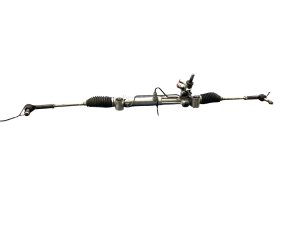
Compatibility Warning: This hydraulic rack and pinion assembly (OEM Part Number 68244586AB) is ONLY for 2015-2018 Dodge Challengers with the 6.2L Supercharged V8 engine (e.g., Hellcat, Demon). Other Challenger models from these years use an Electric Power Steering (EPS) system, and the parts are not interchangeable. Attempting to fit an electric rack to a 6.2L car, or this hydraulic rack to another model, will not work.
Known Issues, TSBs, and Recalls
While there are no major recalls specifically for the 2015-2018 6.2L Challenger's hydraulic steering rack, some related service bulletins exist:
- TSB 19-003-15: Addresses intermittent power steering noise on some vehicles with hydraulic steering. The procedure involves draining the old fluid and refilling with new fluid. This suggests that fluid condition is a known concern.
- TSB 19-001-15: This bulletin is for a loss of power steering assist on 2015 Challengers, but it explicitly applies to vehicles with Electric Power Steering due to a missing retaining washer. It is not relevant to the 6.2L hydraulic system but is worth knowing to avoid confusion.
Buying a Used 2015-2018 Challenger Rack and Pinion
Given the high cost of a new OEM rack, a quality used unit is an excellent value. Because this part is specific to high-performance models, it's generally well-made, but you must inspect a used part carefully.
Physical Inspection Checklist:
- Check the Bellows Boots: The rubber boots on each end of the rack are the most critical inspection point. They must be perfectly intact with no rips, tears, or pinholes. A damaged boot allows contaminants in, which quickly destroys the inner seals, causing leaks.
- Inspect the Hydraulic Ports: Look at the threaded ports where the fluid lines connect. Ensure the threads are clean and undamaged. Cross-threading these during installation will cause leaks that are difficult to fix.
- Look for Leaks: Check for any signs of residual fluid weeping from the end seals (where the inner tie rods emerge) or around the input shaft seal. The unit should be dry.
- Examine the Housing: Inspect the aluminum body of the rack for any cracks or impact damage from a collision. A bent rack is useless.
- Check the Inner Tie Rods: While they are replaceable, check the condition of the included inner tie rods. Grab the threaded end and try to move it in and out of the rack. There should be smooth rotational movement but no excessive play.
Mileage and Value
Failure is not strictly tied to a specific mileage but rather to conditions like fluid contamination or damaged boots. A low-mileage unit (e.g., under 75,000 miles) is preferable, but a high-mileage rack with intact boots and a clean history can still be a good part. A used OEM rack is often superior to a cheap, new aftermarket part due to better materials and manufacturing tolerances from Mopar.
Replacement Cost Comparison
Prices can vary significantly. The OEM part is expensive, making used and remanufactured options very attractive.
| Part Type | Estimated Price Range |
|---|---|
| New OEM (Mopar 68244586AB) | $2,400 - $3,900 |
| Remanufactured | $525 - $990 |
| Used OEM | $525 - $1,250 |
| Shop Labor | $350 - $750 |
Installation Tips and Special Procedures
Replacing the steering rack is an advanced DIY job. If you are not comfortable with major suspension work, it's best left to a professional. The difficulty is around a 4 out of 5.
Pro Tip: Before disconnecting the outer tie rod ends from the steering knuckles, count the number of rotations it takes to remove them or measure the distance from the tie rod end to the jam nut. Replicating this on the new rack will get your alignment close enough to safely drive to an alignment shop.
- Related Parts: It is highly recommended to replace the outer tie rod ends when you replace the rack. Inspect the power steering hoses for any brittleness or leaks and replace the power steering pump if you found significant metal debris in the fluid.
- Fluid Bleeding: This is the most critical step after installation. The hydraulic system must be properly bled of all air. Failure to do so can cause immediate damage to the power steering pump. The general procedure involves filling the reservoir, and with the engine off and front wheels in the air, slowly turning the steering wheel from lock to lock multiple times. Check the fluid level and repeat until it no longer drops and no more bubbles appear. Then, start the engine and repeat the lock-to-lock turns.
- Torque Specs: Using correct torque specs on the rack mounting bolts and tie rod ends is essential for safety. While generic specs are available, always refer to a model-specific service manual for the exact figures for your vehicle.
- Wheel Alignment: A professional wheel alignment is mandatory after replacing the steering rack. Skipping this step will cause poor handling and rapid, uneven tire wear.
Frequently Asked Questions
What power steering fluid should I use for my 6.2L Challenger?
The hydraulic power steering systems in these vehicles typically require Mopar Power Steering Fluid +4 or an equivalent fluid meeting MS-9602 specification. In some cases, Mopar ATF+4 Automatic Transmission Fluid is an acceptable substitute. Some related vehicles use a special fluid for electro-hydraulic systems (MS-11655), so always verify the correct fluid for your specific VIN. Do not mix fluid types.
Can I drive with a failing steering rack?
It is not recommended. A leaking rack can lead to a sudden loss of power assist, making the car extremely difficult to steer. A complete failure could result in a loss of steering control, which is a critical safety risk.
Is it the rack or the power steering pump that's bad?
It can be hard to tell. A whining pump can be a sign of its own failure or it could be whining because the rack is leaking and the system is low on fluid. A diagnostic method is to check the fluid for metal flakes (a sign of pump/rack failure), and with the car lifted and off, turn the wheels by hand. If they turn smoothly without binding, the rack itself may be mechanically okay, pointing towards a pump issue. Often, if one has failed, it's wise to inspect the other carefully.
Do I need to program the new steering rack?
No. This is a fully hydraulic steering rack and requires no electronic programming or calibration. This is a major advantage over the Electric Power Steering (EPS) racks found in other Challenger models, which do require programming.
Technical Specifications
OEM Part Numbers: 68244586AB
Hydraulic Power Assist Steering Rack for Rear-Wheel Drive (RWD) models.
We Have This Part in Stock




The information in this article is provided for general reference and educational purposes only. Vehicle specifications, procedures, and part compatibility can vary by production date, trim level, and region. Always consult your vehicle's factory service manual and verify part numbers before purchasing or performing repairs. Safety-critical components such as airbags, seat belts, and braking systems should be installed by a qualified professional.
- Dodge Challenger:
- 🛍️ Shop This Part
- Is Your Challenger's Steering Rack Failing? Symptoms to Watch For
- Noises and Vibrations
- Steering Feel and Performance
- Checking the Fluid
- Known Issues, TSBs, and Recalls
- Buying a Used 2015-2018 Challenger Rack and Pinion
- Physical Inspection Checklist:
- Mileage and Value
- Replacement Cost Comparison
- Installation Tips and Special Procedures
- Frequently Asked Questions
- 🎟️ Get 5% Off