

1997-2001 Cadillac Catera Rack and Pinion: Diagnosing Leaks, Wandering, and Stiff Steering
This guide covers common failure symptoms, replacement costs, and what to look for when buying a used steering rack for your 1997-2001 Cadillac Catera.
- The most common failure is leaking power steering fluid from the end seals, causing stiff steering and whining noises.
- A new OEM rack is extremely expensive (over $2,500), making a quality inspected used OEM part the most sensible option.
- The original rack is not considered a serviceable part and must be replaced as a complete assembly.
- A full wheel alignment and bleeding the power steering system are mandatory procedures after replacement.
Symptoms of a Failing Catera Rack and Pinion
A failing steering rack on a Cadillac Catera can present several distinct symptoms. Because the Catera is based on the European Opel Omega, its steering has a specific feel, and changes can be noticeable. Some issues may develop gradually, while others can appear suddenly.
Noises and Vibrations
- Whining or Groaning When Turning: A whining noise that gets louder when you turn the steering wheel is a classic sign of low power steering fluid, which could be caused by a leak in the rack. This sound is the power steering pump straining because it's pumping air along with fluid.
- Clunking or Knocking: A clunking sound, especially when turning at lower speeds, can indicate worn internal gears inside the rack and pinion assembly. It can also be a sign of worn-out bushings that mount the rack to the vehicle's subframe.
- Crunching Sound: Some owners have reported a crunching sound when turning the wheel, which was traced back to issues within the steering system.
Steering Feel and Response
- Stiff or Heavy Steering: If turning the wheel, especially during parking, suddenly requires a lot of effort, the rack may have lost hydraulic pressure. This can happen from an internal or external fluid leak.
- Loose Steering or Wandering: A common complaint for this vehicle is a tendency to wander on the road, requiring constant small corrections to keep it driving straight. This "loose" feeling or excessive play in the steering wheel can be caused by worn internal components in the rack.
- Steering Wheel Not Returning to Center: After making a turn, the steering wheel should naturally start to return to the straight-ahead position. If it doesn't, it can point to internal binding within the steering rack.
Visual Signs
- Fluid Leaks: This is the most common and obvious sign. Power steering fluid is typically reddish-brown and may be found dripping from the front center of the car. Leaks often come from failing seals at the ends of the rack. The rubber boots covering the inner tie rods may fill with fluid and eventually tear, causing a significant leak.
Known Issues, TSBs, and Recalls
While the 1997-2001 Cadillac Catera was known for several issues, particularly related to its engine, there have been no major safety recalls issued by the NHTSA specifically for the rack and pinion assembly.
However, there are some related service bulletins and common complaints:
- TSB #010235005: Issued in May 2001, this bulletin addresses a "squeak type noise from the steering column while turning the steering wheel." While not a rack failure, it's a known steering system noise owners may encounter.
- TSB #813102: This bulletin notes that some vehicles may drift or lead to the right and exhibit inner front tire wear, which could be misdiagnosed as a steering rack issue when it is actually an alignment problem.
- Owner Complaints: Beyond official bulletins, many owners have filed complaints about the Catera's steering, noting a tendency to wander, a lack of on-center feel, and intermittent stiffness or locking of the steering wheel.
Buying a Used 1997-2001 Catera Rack and Pinion
Given the extremely high cost of a new OEM steering rack—often over $2,500 for the part alone—a quality used OEM unit is the most practical and cost-effective solution for most Catera owners. Aftermarket options exist, but a recycled OEM part ensures correct fitment and preserves the original steering feel engineered for the car. Here’s what to inspect:
Pro Tip: The original steering rack is a non-serviceable part; it is designed to be replaced as a complete assembly. Avoid any used parts that show signs of being tampered with or improperly repaired.
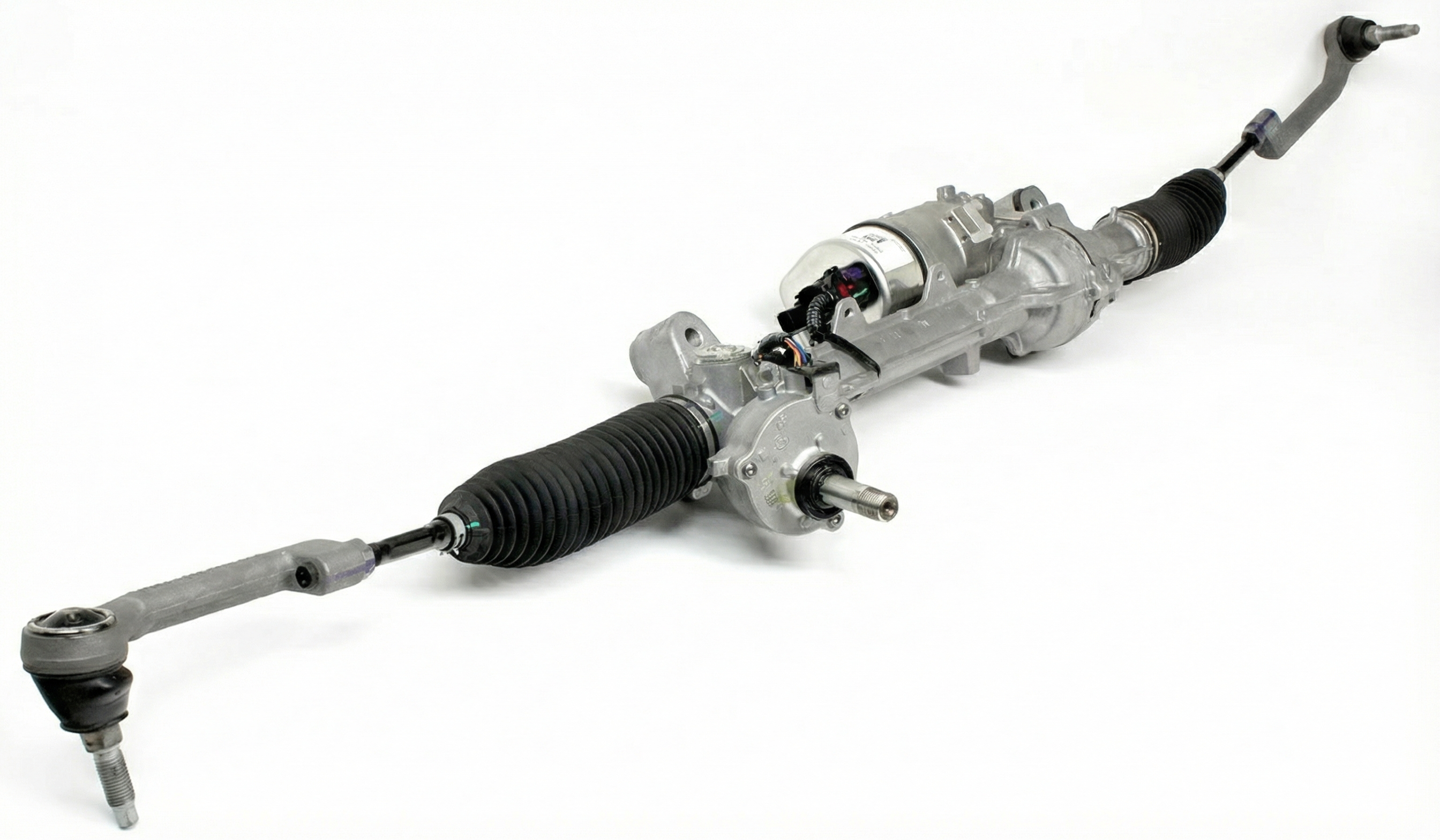
- Check the Boots: The two rubber bellows (boots) on either end of the rack are the most important inspection point. Squeeze them firmly. They should be dry and free of cracks or tears. If you feel fluid inside or see any wetness, the internal seals have failed and the rack is bad.
- Inspect the Lines and Fittings: Look at the metal hydraulic lines that run to the rack. Check for heavy corrosion, kinks, or stripped fittings. Repairing these can be difficult, so it's best to find a rack with lines in good condition.
- Examine the Input Shaft: Where the steering column connects, try to wiggle the input shaft. There should be no excessive play or clunking. The seal around this shaft should also be dry.
- Look at the Mounting Points: Ensure the mounting bushings and brackets are intact and the rubber is not cracked or degraded. Damaged bushings can cause clunking noises and a loose steering feel.
- Mileage Consideration: While any used part has a limited lifespan, steering racks are generally durable. A part from a lower-mileage vehicle (under 150,000 miles) is preferable, but a thorough physical inspection is more important than mileage alone. Rack failure is often due to age-related seal deterioration rather than just miles driven.
Cost Comparison: Catera Rack and Pinion Replacement
The cost to replace a Catera steering rack is significant, primarily due to the high price of the OEM part. This makes finding a quality used part a major cost-saver.
| Part Type | Estimated Part Cost | Notes |
|---|---|---|
| New OEM | $2,500 - $2,600 | Extremely expensive and may have limited availability. |
| Remanufactured | $250 - $500 | A rebuilt original part. Quality can vary by rebuilder. Often requires a core deposit. |
| Used OEM | $100 - $300 | A cost-effective option. Inspect carefully before purchase. |
| Shop Labor | $730 - $1,100 | Replacement is a labor-intensive job that requires special procedures like bleeding the system and a final wheel alignment. |
Replacement Overview and Special Procedures
Replacing the rack and pinion on a Catera is a job for an experienced DIY mechanic or a professional shop. It involves working under the vehicle, disconnecting hydraulic lines, and separating steering and suspension components. The difficulty is high due to tight access.
Key Procedures:
- Bleeding the System: After installing the new rack, the power steering system MUST be bled of all air. Trapped air will cause a whining pump, jerky steering, and can quickly damage the power steering pump. The process involves filling the reservoir and turning the steering wheel from lock to lock several times with the engine off, and then again with the engine on, while keeping the fluid level topped off.
- Wheel Alignment: A four-wheel alignment is mandatory after replacing the steering rack. Failure to do so will result in crooked steering, wandering, and rapid, uneven tire wear.
- Sealing Washers: Always use new sealing washers on the hydraulic line banjo bolts to prevent leaks.
Related Parts to Inspect
When replacing the steering rack, it's wise to inspect related components that may be worn or fail at the same time:
- Outer Tie Rod Ends: These connect the steering rack to the steering knuckles. If they are worn, they should be replaced with the rack.
- Power Steering Hoses: Inspect the high-pressure and return hoses for cracks, brittleness, or leaks. It's much easier to replace them while the system is already drained and accessible.
- Power Steering Pump: If the fluid in the old rack was dark or contained metal particles, it may have damaged the pump. Listen for any whining or grinding from the pump itself.
Technical Specifications
OEM Part Numbers: 09227771, 9227771 (short number).
Cross-Reference: ZF # 8052 991 123.
Power Steering Fluid: The Catera uses standard conventional power steering fluid. Do not use ATF or other non-specified fluids.
Frequently Asked Questions (FAQ)
Can I drive my Catera with a leaking steering rack?
For a very minor leak, you may be able to drive short distances by constantly checking and topping off the power steering fluid. However, if the fluid is dripping quickly or if steering becomes difficult, it is unsafe to drive. Running the system low on fluid can destroy the power steering pump, leading to a much more expensive repair.
Is a whining noise always the steering rack?
No. A whining noise that changes with engine RPM is almost always caused by the power steering pump, not the rack. However, the cause is often a leak in the system (from the rack or hoses) that allows air to enter, making the pump noisy. Fixing the leak is the first step.
What kind of power steering fluid should I use in my 1997-2001 Catera?
Your Catera uses a standard conventional power steering fluid. You can find this at any auto parts store. Some fluids contain stop-leak additives, which may temporarily slow a minor seal leak but are not a permanent repair. Always check your owner's manual to be certain.
Do I need a wheel alignment after replacing the rack and pinion?
Yes, absolutely. It is impossible to install a new steering rack and maintain the correct wheel alignment. A full four-wheel alignment is required to ensure the vehicle drives straight, the steering wheel is centered, and to prevent premature tire wear.
Technical Specifications
OEM Part Numbers: 09227771 9227771
Fits all 1997, 1998, 1999, 2000, and 2001 Cadillac Catera models. Cross-references to ZF part number 8052 991 123.
We Have This Part in Stock

The information in this article is provided for general reference and educational purposes only. Vehicle specifications, procedures, and part compatibility can vary by production date, trim level, and region. Always consult your vehicle's factory service manual and verify part numbers before purchasing or performing repairs. Safety-critical components such as airbags, seat belts, and braking systems should be installed by a qualified professional.
- Cadillac Catera:
- 🛍️ Shop This Part
- Symptoms of a Failing Catera Rack and Pinion
- Noises and Vibrations
- Steering Feel and Response
- Visual Signs
- Known Issues, TSBs, and Recalls
- Buying a Used 1997-2001 Catera Rack and Pinion
- Cost Comparison: Catera Rack and Pinion Replacement
- Replacement Overview and Special Procedures
- Key Procedures:
- Related Parts to Inspect
- Technical Specifications
- Frequently Asked Questions (FAQ)
- 🎟️ Get 5% Off