

1997-1999 Buick LeSabre Quarter Panel: Rust, Damage, and Weld-On Replacement
This guide covers the common failure points, inspection of used parts, and the complex, weld-on replacement process for the 1997-1999 Buick LeSabre quarter panel.
- This is a weld-on structural part; replacement is a complex job for a professional body shop only and is not a DIY project.
- Rust around the wheel arches and lower edges is the most common problem for 1997-1999 LeSabres.
- When buying a used panel, prioritize finding a rust-free part over one with minor dents, and always inspect the backside for hidden corrosion.
- The total cost of replacement is dominated by labor for welding, body work, and paint, often exceeding $2,000.
Symptoms of a Failing Quarter Panel

Failure of a quarter panel is not mechanical but physical. Damage comes from two main sources: rust and collision. Identifying the extent of the damage is key to determining the correct repair.
- Visible Rust or Bubbling Paint: This is the most common issue on 1997-1999 LeSabres. Rust often starts in the wheel arch lip, the area in front of or behind the rear wheel, and around the fuel door. Bubbling paint is a sign that rust is forming underneath.
- Collision Damage: Dents, deep scratches, and creases from an impact are obvious signs of damage. A sharp crease indicates the metal has stretched, making a simple paintless dent repair impossible.
- Poor Panel Gaps: If the gap between the quarter panel and the rear door or trunk lid is uneven, it can indicate a past low-quality repair or underlying structural damage from a collision.
- Water Leaks in Trunk: Rust perforation or damage to the seams where the quarter panel meets the trunk opening or window channel can allow water to enter the trunk.
Warning: A quarter panel is a structural, weld-on component. Replacement is not a simple bolt-off, bolt-on job and should only be performed by a professional body technician with welding and structural repair experience.
Known Issues for 1997-1999 Buick LeSabre

The eighth-generation Buick LeSabre is known for specific rust-prone areas. The rocker panels (the section below the doors) and the rear quarter panels, particularly the lower sections near the wheel wells, are highly susceptible to corrosion. While no specific recalls or Technical Service Bulletins (TSBs) exist for quarter panel rust on this model, it is a widely acknowledged problem among owners. The brake lines on these vehicles were also prone to rust, which is something to inspect while working in the same area.
Buying a Used 1997-1999 LeSabre Quarter Panel

For a vehicle of this age, a used Original Equipment Manufacturer (OEM) quarter panel cut from a rust-free donor car is often the best and most cost-effective option. New OEM panels are expensive and may be discontinued, while aftermarket panels can have fitment issues requiring extra labor to align correctly.
Inspection Checklist Before You Buy:
- Verify the Side: Ensure you are buying the correct side—driver (left) or passenger (right).
- Check for Hidden Rust: The most important check. Ask for clear photos of the back side of the panel, the inner wheel arch lip, and the lower edges. Surface rust can be treated, but perforated or flaky rust means the panel is compromised.
- Look for Body Filler: Bring a small magnet. If it doesn't stick to a certain area, that spot is likely filled with body filler (Bondo) from a previous repair. A thin skim coat is acceptable, but thick filler can hide poor repairs and will eventually crack.
- Inspect for Dents and Creases: Minor dings can be fixed, but sharp creases or stretched metal will complicate the repair process significantly.
- Understand What's Included: A used quarter panel is typically cut from a donor car. Clarify the cut points with the seller. A larger section can be helpful, giving your technician more material to work with.
Pro Tip: When buying a used quarter panel, prioritize a rust-free part over one with minor cosmetic dents. Dents are far easier for a body shop to repair than rust, which always risks returning if not completely eliminated.
Replacement Overview & Difficulty

Replacing a quarter panel is a major undertaking that involves cutting, welding, and refinishing. It is not considered a DIY-feasible job for anyone without professional auto body experience.
- Difficulty Rating: 5 out of 5
- Process: The technician must first remove the rear bumper, tail light, and interior trim panels to access the factory seams. Then, dozens of factory spot welds are drilled out along the door jamb, roof pillar, and trunk opening. The old panel is cut off, and the new panel is carefully fitted, clamped, and aligned before being welded into place. The process finishes with grinding the welds, applying seam sealer, minimal body filler for smoothing, and a multi-stage paint job to blend the new panel with the rest of the car.
Cost Comparison
The majority of the cost for this repair is in the skilled labor required for welding and paint, not the part itself.
| Part/Service | Estimated Cost |
|---|---|
| New OEM Panel | $550 - $850 (if available) |
| New Aftermarket Panel/Skin | $150 - $400 |
| Used OEM Panel | $100 - $300 |
| Shop Labor (Welding & Prep) | $1000 - $3000+ |
| Shop Labor (Paint & Blending) | $600 - $1500+ |
Frequently Asked Questions (FAQ)
Can I just bolt on a new quarter panel?
No. The quarter panel is a structural component of the unibody and must be welded in place to maintain the vehicle's safety and structural integrity. Bolting it on is not an option and would be extremely unsafe.
What's the difference between a quarter panel "skin" and a full panel?
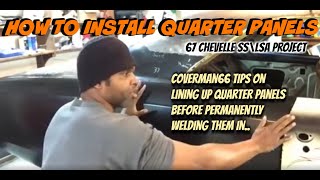
A "skin" is a large patch panel that only replaces the outer sheet metal, requiring the technician to cut the old panel and weld the new skin along a seam in the middle of the panel. A full panel replaces the entire piece 🎬 See how to line up and spot weld a quarter panel from factory seam to factory seam. Used OEM panels are typically full panels cut from a donor car. Full panel replacement is generally preferred for a cleaner, more durable repair.
My rust is just a small spot. Do I need to replace the whole thing?
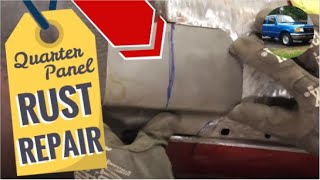
For small, localized rust, a technician may be able to cut out only the affected area and weld in a small metal patch panel. 🎬 Watch a demonstration on lower quarter panel rust repair This is less expensive than a full replacement but is only viable if the surrounding metal is solid. If the rust is widespread, a full panel replacement is the only long-term solution.
Does the fuel filler door or tail light come with the quarter panel?
No. The fuel door, tail light assembly, and any trim pieces are separate parts that must be removed from the old panel and transferred to the new one.
OEM Part Numbers
The following OEM part numbers are associated with this component. Part numbers may vary by side (left/right) and specific production date. Always verify fitment with the seller.
- 12363197
- 12453531
- 12453622
- 12453623
- 12539962 (Right/Passenger Side)
Helpful Videos
Technical Specifications
OEM Part Numbers: 12363197 12453531 12453622 12453623 12539962
Material: Stamped Steel. Installation Method: Spot and seam welding.

The information in this article is provided for general reference and educational purposes only. Vehicle specifications, procedures, and part compatibility can vary by production date, trim level, and region. Always consult your vehicle's factory service manual and verify part numbers before purchasing or performing repairs. Safety-critical components such as airbags, seat belts, and braking systems should be installed by a qualified professional.
- Buick LeSabre: