

2005-2006 Acura RSX Power Steering Pump: Noises, Leaks, and Replacement
This guide covers the common failure symptoms, replacement costs, and critical warnings for the power steering pump in the 2005-2006 Acura RSX Base model.
- This pump fits the 2005-2006 Acura RSX Base model only (K20A3 engine) and is NOT interchangeable with the Type-S model.
- You MUST use Genuine Honda/Acura Power Steering Fluid. Using any other type of fluid can cause noise and damage the pump and seals.
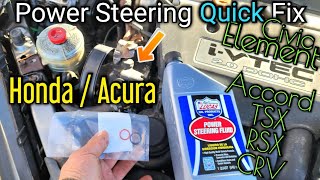
- A whining noise is often caused by a cheap, simple-to-replace O-ring on the pump's inlet hose that is allowing air into the system.
- Thoroughly bleeding all air from the system after installation is critical to prevent noise and ensure proper operation.
Symptoms of a Failing Power Steering Pump

A failing power steering pump on a 2005-2006 Acura RSX will almost always give you audible or physical warnings. Ignoring these signs can lead to more expensive repairs or a sudden loss of steering assist.
- Whining or Groaning Noises: This is the most common symptom. You may hear a whining noise that increases in pitch as the engine RPMs increase. A groaning or moaning sound is often heard when turning the steering wheel, especially at low speeds or when holding it at full lock (turned all the way to one side). This noise is typically caused by air entering the system (aeration) or a worn-out pump struggling to build pressure.
- Stiff or Heavy Steering: If turning the steering wheel suddenly requires much more effort, especially when parking or driving slowly, the pump is likely failing to provide enough hydraulic pressure. This can be intermittent at first, only happening occasionally before becoming constant.
- Fluid Leaks: Reddish or light brown puddles under the front of your car are a clear sign of a power steering fluid leak. The pump itself has seals that can fail over time, but be sure to also inspect the high-pressure and return hoses, as they are also common leak points.
- Foamy or Bubbly Fluid: If you check the power steering fluid reservoir and the fluid looks foamy or has excessive bubbles (a condition called cavitation), it means air is being sucked into the system. This is often caused by a bad O-ring on the pump's inlet hose, a very common and inexpensive part to replace. 🎬 See how to fix this whining issue with a quick O-ring replacement
- Jerky or Unresponsive Steering: When the pump's performance is inconsistent, the steering wheel may feel jerky or vibrate as you turn it.
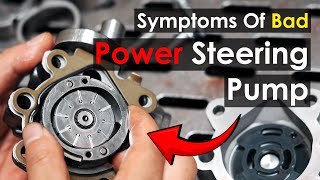
Warning: A power steering fluid leak that drips onto the hot exhaust manifold or catalytic converter can create smoke and poses a significant fire risk. 🎬 Watch this overview of common bad power steering pump symptoms Address any leaks immediately.
Known Issues, TSBs, and Recalls

As of this writing, there are no specific recalls or Technical Service Bulletins (TSBs) from Acura directly addressing widespread power steering pump failure on the 2005-2006 RSX. However, older Acura models have had recalls for power steering hoses that could leak and cause fires, highlighting the importance of inspecting the hoses on your RSX. The most prevalent issue discussed by owners is the failure of the small O-ring on the power steering pump inlet, which allows air into the system and causes whining noises.
There were two recalls for the 2006 Acura RSX, but neither pertains to the power steering pump. One was for a brake booster issue (NHTSA Campaign ID: 13V246000) and the other was for incorrect contact information in the owner's manual (NHTSA Campaign ID: 06V270000).
Buying a Used 2005-2006 RSX Power Steering Pump

A quality used OEM power steering pump can be a reliable and cost-effective alternative to expensive new parts. Because Honda/Acura pumps are generally robust, a low-mileage used unit is often a better choice than a cheap, new aftermarket pump which may have unpredictable quality.
Compatibility Check: Base Model Only
This is the most critical step. The power steering pump for the 2005-2006 Acura RSX Base model (with the K20A3 engine) is different from the pump used on the Type-S model. They are not interchangeable. Before purchasing, verify your vehicle is a Base model. This pump may also be compatible with other Honda models from the same era that used a similar engine, such as the CR-V and Element, but always verify part numbers.
What to Inspect on a Used Pump
- Check for Leaks: Inspect the pump housing thoroughly for any signs of old fluid residue, which would indicate a past leak.
- Shaft Play: Hold the pump and try to wiggle the pulley shaft. There should be no noticeable in-and-out or side-to-side play. Excessive movement suggests worn internal bearings.
- Pulley Condition: Many used pumps are sold without the pulley. The original warning to 'Reuse original pulley if not included' is important. If a pulley is included, check it for cracks, chips, or warping.
- Hose Connections: Look at the threaded ports where the high-pressure and return lines connect. Ensure the threads are clean and not stripped or damaged.
Mileage and Longevity
Power steering pumps in these vehicles can often last well over 100,000 miles. Failure is typically due to fluid contamination, leaks causing the pump to run dry, or simple age-related wear on the internal seals and bearings. When buying used, look for a part from a vehicle with the lowest possible mileage to maximize its remaining service life.
Replacement Overview
Replacing the power steering pump is a moderately difficult job that a skilled DIY mechanic can perform. The pump is located on the front of the engine, driven by the serpentine belt.
Pro Tip: Before starting, place aluminum foil or a thick layer of shop rags over the alternator, which is located directly below the power steering pump. This will protect it from being damaged by spilled power steering fluid during removal.
Key Steps & Procedures
- Drain Fluid: Use a turkey baster or fluid extractor to remove as much old fluid as possible from the reservoir.
- Remove Serpentine Belt: Use a serpentine belt tool or a long wrench on the belt tensioner to release tension and slip the belt off the power steering pump pulley.
- Disconnect Hoses: Disconnect the high-pressure and low-pressure (inlet) hoses from the pump. Be prepared for more fluid to spill. It's highly recommended to replace the O-rings on these hoses during reinstallation to prevent leaks.
- Unbolt Pump: Remove the mounting bolts that secure the pump to the engine block.
- Transfer Pulley (if needed): If your replacement pump did not come with a pulley, you will need a special power steering pump pulley puller/installer tool to safely remove the pulley from the old pump and install it on the new one.
- Installation & Torque: Installation is the reverse of removal. The power steering pump mounting bolts should be torqued to approximately 17-26 ft-lbs. Always verify the correct spec for your specific vehicle.
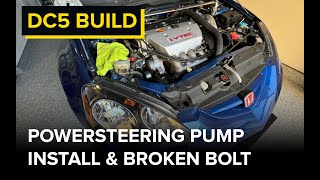
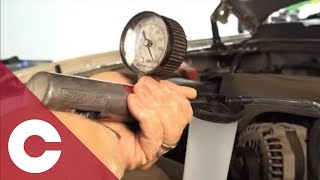
- Flush & Bleed the System: This is the most important final step. After installing the new pump and reconnecting the hoses, fill the reservoir with Genuine Honda/Acura Power Steering Fluid ONLY. With the engine off and the front wheels lifted off the ground, turn the steering wheel from lock to lock about 15-20 times to begin bleeding air from the system. Then, start the engine and repeat the lock-to-lock turning until the whining noise disappears and the fluid level in the reservoir remains stable. 🎬 Watch a demonstration on how to correctly fill and bleed the power steering system
Warning: Do not use generic or 'Asian vehicle' power steering fluid. Honda/Acura systems are designed for a specific fluid formulation. Using the wrong fluid can cause foaming, damage seals, and lead to premature failure of the new pump.
Cost Comparison

The cost to replace a power steering pump can vary significantly based on the type of part used and labor rates.
| Part Type | Estimated Cost |
|---|---|
| New OEM | $750 - $1,050 |
| New Aftermarket | $100 - $280 |
| Remanufactured | $150 - $300 |
| Used OEM | $50 - $150 |
| Shop Labor | $135 - $200 |
Frequently Asked Questions
Why is my power steering whining even after replacing the pump?
A whining noise after replacement is almost always caused by air trapped in the system. The bleeding procedure must be performed thoroughly. Let the car sit for a few minutes after bleeding to allow tiny bubbles to settle, then re-check the fluid level and repeat if necessary. Also, ensure you used genuine Honda/Acura power steering fluid, as the wrong fluid can cause aeration and whining.
Can I just replace the O-ring instead of the whole pump?
If your only symptom is a whining noise and foamy fluid, the problem is likely just air getting into the system. The most common cause for this is a hardened, cracked O-ring on the pump's inlet hose (the larger, low-pressure hose). This is an inexpensive part and should be the first thing you try to replace before condemning the entire pump.
Is it safe to drive with a failing power steering pump?
You can drive the vehicle, but it will be difficult. If the pump fails completely, you will lose power assist, and the steering will become very heavy, requiring significant physical effort to turn the wheel. This can be dangerous in an emergency situation. If the pump is leaking badly, it can run dry and seize, which could break the serpentine belt, causing you to lose your alternator and water pump as well, leading to overheating and a vehicle that will not run.
Can I use a power steering pump from a Honda Civic Si?
The 2002-2005 Honda Civic Si used the same K20A3 engine as the base model RSX. The power steering pumps from these models are often interchangeable. However, you must always verify the OEM part numbers to ensure an exact match before purchasing.
Helpful Videos
Technical Specifications
OEM Part Numbers: 06561-PND-506RM 56110-PND-A01 56110-PND-A02 56110-PND-J01 56110-PND-J02 56110-PNB-A01 56110-PNB-A03 56110-PNB-A04 56110-PNB-A05 56110-PND-003
Mounting Bolt Torque: 17-26 ft-lbs (23-36 Nm)

The information in this article is provided for general reference and educational purposes only. Vehicle specifications, procedures, and part compatibility can vary by production date, trim level, and region. Always consult your vehicle's factory service manual and verify part numbers before purchasing or performing repairs. Safety-critical components such as airbags, seat belts, and braking systems should be installed by a qualified professional.
- Acura RSX:
- 🎬 Helpful Videos
- Symptoms of a Failing Power Steering Pump
- Known Issues, TSBs, and Recalls
- Buying a Used 2005-2006 RSX Power Steering Pump
- Compatibility Check: Base Model Only
- What to Inspect on a Used Pump
- Mileage and Longevity
- Replacement Overview
- Key Steps & Procedures
- Cost Comparison
- Frequently Asked Questions
- 🎟️ Get 5% Off