

Toyota RAV4 Oxygen Sensor Replacement Guide for 2020-2024 Models
Understanding the check engine light and choosing the right oxygen sensor for your 5th Generation RAV4.
- For a 2020-2024 RAV4, Denso is the OEM supplier and the most recommended brand for reliable, long-lasting performance.
- Always use an OBD-II scanner to confirm the specific fault code before buying a part; this ensures you replace the correct sensor (upstream vs. downstream).
- Driving with a bad oxygen sensor is not recommended as it can lead to poor fuel economy and expensive damage to the catalytic converter.
- There are no active recalls for oxygen sensors, but be aware of potential early-life failures on 2020 models and a wiring corrosion service campaign on some hybrid models.
Is a Failing Oxygen Sensor a Problem on the 2020-2024 Toyota RAV4?


A faulty oxygen (O2) sensor is a common reason for the check engine light to appear on many vehicles, including the 2020-2024 Toyota RAV4. While these sensors are designed to last a long time, they can fail due to age, contamination from engine fluids, or other issues. Ignoring a bad O2 sensor can lead to poor engine performance, reduced fuel economy, and eventually, costly damage to your catalytic converter.
Symptoms of a Bad Oxygen Sensor
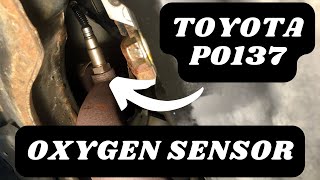
- Check Engine Light: This is the most common and often the first sign. A code like P0137, which indicates low voltage from the downstream sensor (Bank 1, Sensor 2), is a frequent indicator. 🎬 Watch: Understanding the P0137 code and how to fix it.
- Worse Gas Mileage: The engine may run rich, using more fuel than necessary, because the computer is getting incorrect data from the sensor.
- Rough Idle or Engine Misfires: Your RAV4 might idle unevenly or hesitate during acceleration.
- Rotten Egg Smell: A strong smell of sulfur from the exhaust can mean the catalytic converter is overheating because of an overly rich fuel mixture caused by a bad sensor.
- Failed Emissions Test: A malfunctioning O2 sensor will prevent your vehicle from passing a required emissions inspection.
Known Issues for 2020-2024 RAV4
While there are no official recalls for oxygen sensors on this generation of RAV4, some owners of early 2020 models reported premature O2 sensor failures at very low mileage. At the time, this led to significant repair delays due to a nationwide parts backorder. Additionally, Toyota has a Customer Support Program (22TE09) for potential corrosion on a wiring harness in 2019-2022 RAV4 Hybrid and 2021-2022 RAV4 Prime models, which can cause various electrical issues and warning lights. It is important to have the correct diagnostic trouble code read to confirm the issue is the O2 sensor and not another related problem.
Choosing the Right Aftermarket Oxygen Sensor

When replacing an oxygen sensor, using a quality part is crucial for your Toyota's sensitive engine management system. The wrong sensor can fail quickly or provide inaccurate readings, leaving you with the same problems. Here’s a breakdown of available brands.
Brand Quality Tiers
Tier 1 (OEM / Best Choice): Denso
Denso is the Original Equipment Manufacturer (OEM) for Toyota's oxygen sensors. This means a Denso sensor is the same part you would get from a Toyota dealership, just in a different box. For guaranteed fit, performance, and longevity on a RAV4, Denso is the most recommended and reliable choice. Using the OEM part avoids potential compatibility issues that can occur with other brands on Toyota vehicles.Tier 2 (Good): Bosch
Bosch is a highly respected brand that invented the modern oxygen sensor. Their sensors are well-made and widely available. However, for Japanese vehicles like Toyota, some mechanics and owners report mixed results with aftermarket Bosch sensors, sometimes leading to compatibility issues or a shorter service life compared to Denso. While a quality product, it's generally considered a second choice to Denso for a RAV4.Tier 3 (Economy): Walker Products
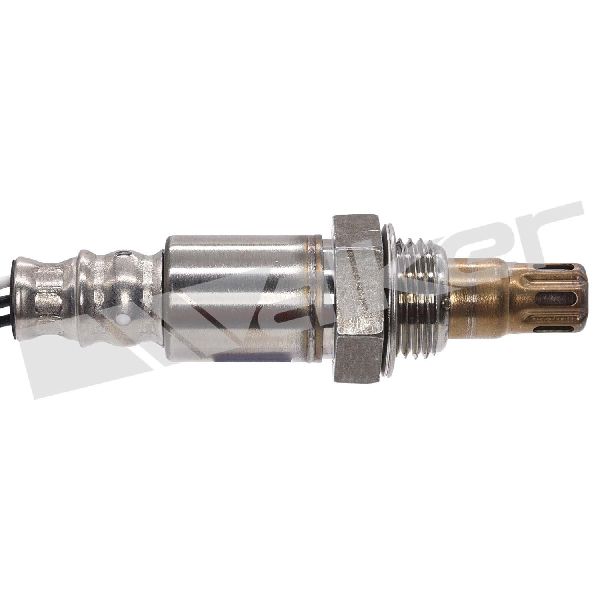
Walker Products offers a more budget-friendly option. While some of their lines may use quality components, they are generally seen as an economy-tier brand. For a critical component like an oxygen sensor on a modern vehicle, choosing an economy part may lead to a shorter lifespan and a return of the check engine light. It's an option if budget is the primary concern, but not recommended for long-term reliability.
Pro Tip: Upstream vs. Downstream
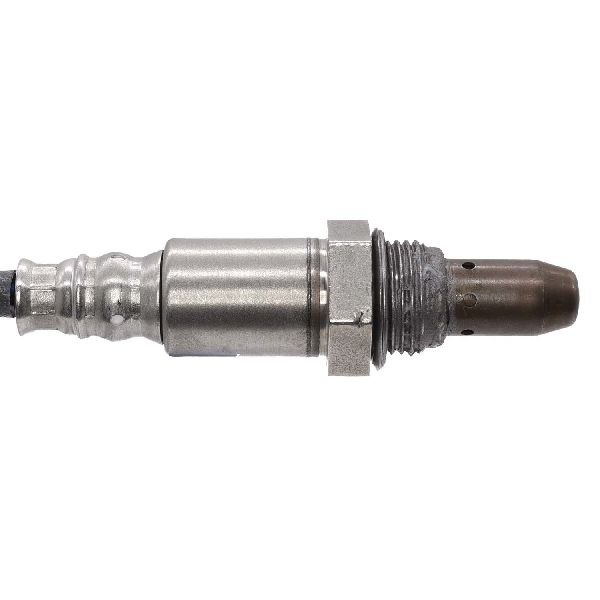
Your RAV4 has two types of sensors: an upstream Air-Fuel Ratio Sensor and a downstream Oxygen Sensor. They are not interchangeable. Always confirm the diagnostic code to know which sensor needs replacing before you buy.
Cost of Replacing a 2020-2024 Toyota RAV4 Oxygen Sensor
The total cost depends on whether you do the work yourself or take it to a repair shop. The downstream sensor is typically easier to access and replace than the upstream sensor.
| Item | Estimated Cost |
|---|---|
| New Aftermarket Part (Bosch, Walker) | $151.55 - $305.78 |
| New OEM Part (Denso/Toyota) | $170 - $295 |
| Shop Labor | $100 - $150 |
| Total Estimated Cost (at a shop) | $270 - $445 |
Note: RepairPal estimates a higher total cost of $634-$679, likely reflecting higher dealership parts markup. Costs can vary based on your location and the specific sensor being replaced.
Frequently Asked Questions (FAQ)
Can I replace the oxygen sensor myself?
Yes, this is a feasible DIY job for someone with basic mechanical skills. The main challenge is often accessing the sensor and removing it, as it can be seized in the exhaust pipe. You will likely need a special oxygen sensor socket that allows the wire to pass through. Always work on a cool engine to avoid burns.
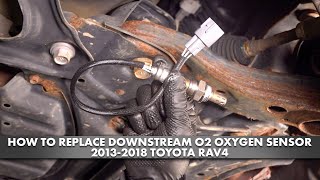
🎬 Watch: Step-by-step guide to replacing your RAV4 oxygen sensor.How many oxygen sensors does my RAV4 have?
The 2.5L 4-cylinder engine in the 2020-2024 RAV4 has two primary sensors: one upstream (Bank 1, Sensor 1) and one downstream (Bank 1, Sensor 2). Since it's an inline engine, there is only one bank.
Should I replace both sensors at the same time?
It is not necessary. Oxygen sensors do not always fail at the same time. It is most cost-effective to use an OBD-II scanner to identify the specific faulty sensor and replace only that one. If your vehicle has very high mileage, you might consider replacing them in pairs, but it's not required.
What is the difference between an Air-Fuel Ratio Sensor and an Oxygen Sensor?
They are both types of oxygen sensors, but they have different jobs and technology. The upstream sensor is a wideband Air-Fuel Ratio (A/F) sensor that provides precise data for controlling the fuel mixture. The downstream sensor is a traditional narrowband oxygen sensor that simply checks if the catalytic converter is working. They cannot be swapped.
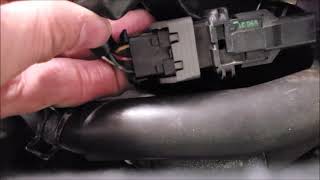
🎬 See this walkthrough on replacing an Air-Fuel Ratio sensor.Helpful Videos

Technical Specifications
OEM Part Numbers: 89467-42170 89467-06250 89467-42020 89465-42090 89467-42190
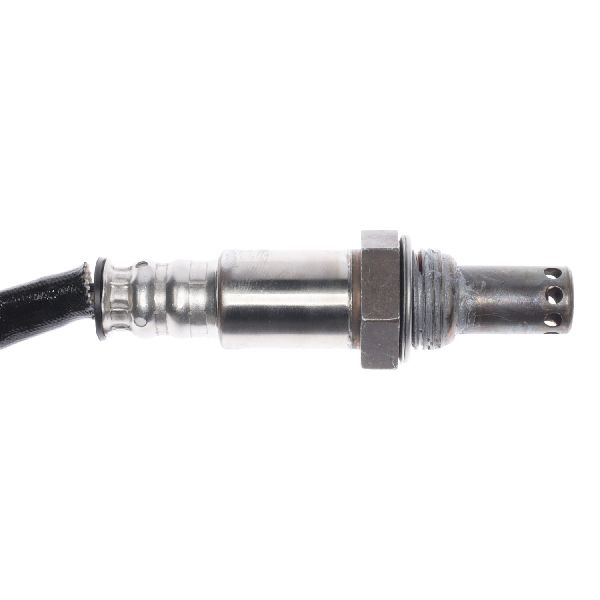
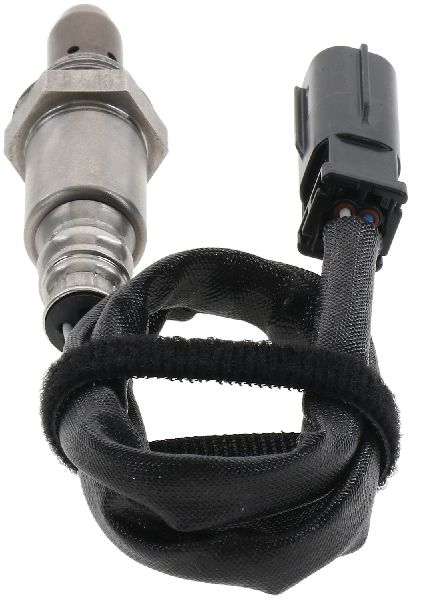
The 2.5L engine uses a wideband Air-Fuel Ratio sensor in the upstream position (before the catalytic converter) and a narrowband Oxygen Sensor in the downstream position (after the catalytic converter). Both are heated, 4-wire sensors.
We Have This Part in Stock

The information in this article is provided for general reference and educational purposes only. Vehicle specifications, procedures, and part compatibility can vary by production date, trim level, and region. Always consult your vehicle's factory service manual and verify part numbers before purchasing or performing repairs. Safety-critical components such as airbags, seat belts, and braking systems should be installed by a qualified professional.
- Toyota RAV4: