

A Ram 1500 Owner's Guide to Oxygen Sensor Replacement (2020-2024)
Don't let a bad oxygen sensor hurt your Ram's fuel economy or performance.
- Your Ram 1500 has four O2 sensors; use a code scanner to identify which one has failed.
- For critical upstream sensors (Sensor 1), use Mopar or OEM-equivalent (NTK, Denso) parts to avoid compatibility issues.
- A bad O2 sensor will decrease fuel economy and can cause expensive catalytic converter damage if ignored.
- Replacement is a manageable DIY job, but a special O2 sensor socket or crowfoot wrench is required.
Understanding Oxygen Sensor Failure in Your Ram 1500

The oxygen sensors in your Ram live in a tough environment, constantly exposed to hot exhaust gases. Over time, usually between 60,000 and 100,000 miles, they can wear out or get contaminated by oil or coolant residue. A failing sensor can't send the right signals to your truck's computer. This often leads to the computer adding too much fuel, a condition known as "running rich." Driving with a bad O2 sensor for too long can not only waste gas but also lead to very expensive damage to your catalytic converters.
Common Symptoms of a Bad Oxygen Sensor

Noticing the signs of a failing O2 sensor early can save you from bigger headaches. The most obvious sign is a Check Engine Light on your dashboard. You might also notice your truck is using more gas than usual, idling roughly, or hesitating when you accelerate. In some cases, you may smell a sulfur or "rotten egg" odor from the exhaust, which is a serious sign that unburned fuel is damaging the catalytic converter.
Choosing the Right Aftermarket Oxygen Sensor

When shopping for a replacement, you'll find OEM Mopar parts and aftermarket options like Walker Products. The sensor you choose matters, especially for a modern truck like the 2020-2024 Ram 1500.
Brand Quality Tiers: 2020-2024 Ram 1500
| Tier | Brand(s) | Quality & Fitment Assessment |
|---|---|---|
| OEM / Premium | Mopar, NTK, Denso | For the critical upstream sensors that control your engine's air-fuel ratio, using the OEM brand is highly recommended by Ram owners. Ram trucks can be sensitive to aftermarket electronics, and using OEM parts helps avoid persistent check engine lights and performance issues. NTK and Denso are often the original manufacturers for Mopar. |
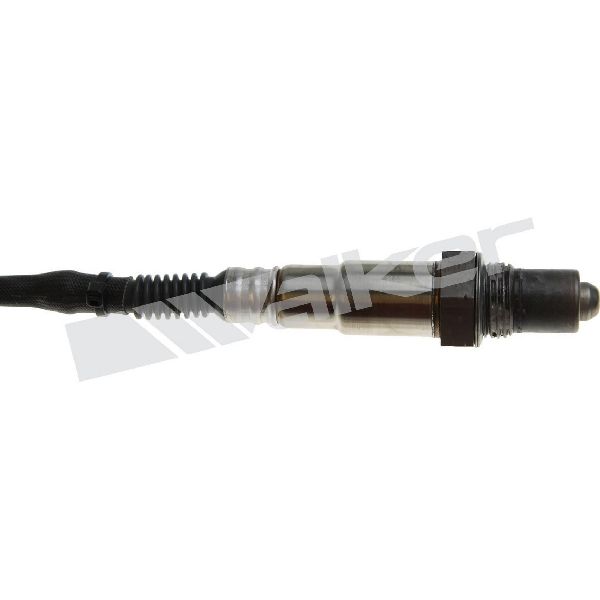
| Standard Aftermarket | Walker Products | For the downstream sensors, which primarily monitor the catalytic converter, a quality aftermarket brand like Walker Products is a reliable, cost-effective choice. While they may work in the upstream position, forum discussions suggest sticking with OEM for that critical role to ensure compatibility. |
A Note on Bosch Sensors
While Bosch is a major parts manufacturer, many Ram owners in forums report compatibility issues and recurring check engine lights when using their oxygen sensors, particularly in the upstream position. It is generally recommended to avoid them for this specific application.
Known Issues: Recalls and Technical Service Bulletins
There are no active recalls specifically for oxygen sensors on the 2020-2024 Ram 1500. A widely reported recall (NHTSA #24V-653) for 2019 and 2021-2024 models concerns an ABS software issue and is not related to the emissions system.
A Technical Service Bulletin (TSB) for the 2024 Ram Promaster (not the 1500) shows that some O2 sensor error codes can be caused by powertrain control module (PCM) software. If you replace a sensor and the code returns, the issue could potentially be software-related, requiring a dealer visit.
Cost of Replacing a Ram 1500 Oxygen Sensor
The cost depends on which of the four sensors you are replacing and whether you do it yourself or use a repair shop.
Estimated Replacement Costs
| Item | Estimated Cost |
|---|---|
| New OEM Mopar Sensor | $100 - $350 |
| New Aftermarket Sensor (e.g., Walker Products) | $78.49 - $342.08 |
| Shop Labor | $100 - $250 |
Frequently Asked Questions

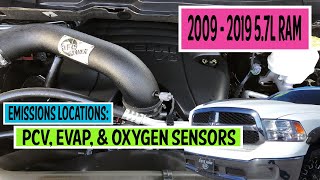
Which oxygen sensor do I need to replace? 🎬 Watch: Locate your O2 sensors and other emission components.
Your truck has four sensors: Bank 1 Sensor 1 (Upstream, Driver's Side), Bank 2 Sensor 1 (Upstream, Passenger's Side), Bank 1 Sensor 2 (Downstream, Driver's Side), and Bank 2 Sensor 2 (Downstream, Passenger's Side). A code reader will give you a specific code like "P0132" which points to "Bank 1, Sensor 1," 🎬 Watch: Understanding the P0132 code and what it means. telling you exactly which one is faulty.
Can I replace an oxygen sensor myself?
Yes, this is a DIY-feasible job for someone with basic mechanical skills. However, access can be tight, especially on 4WD models where the front driveshaft can be in the way. You will need a special O2 sensor socket or a 22mm crowfoot wrench to remove the old sensor, and using penetrating fluid on a rusty 🎬 See this step-by-step replacement guide for 5.7L Hemi engines. sensor is recommended.
What is the difference between an upstream and downstream sensor?
Upstream sensors (Sensor 1) are located before the catalytic converter and are critical for managing the engine's air-fuel mixture. Downstream sensors (Sensor 2) are located after the catalytic converter and their main job is to make sure the converter is working properly. Upstream sensors are more complex and typically more expensive.
Why are there different part numbers for the same location?
Different part numbers can exist based on your truck's specific engine and transmission combination (e.g., 8-speed vs. 6-speed). Always verify the part fits your exact vehicle configuration before ordering.
Helpful Videos
Technical Specifications
OEM Part Numbers: 5149180AA 68144248AA 5149171AA 7B0906262B 68497499AA
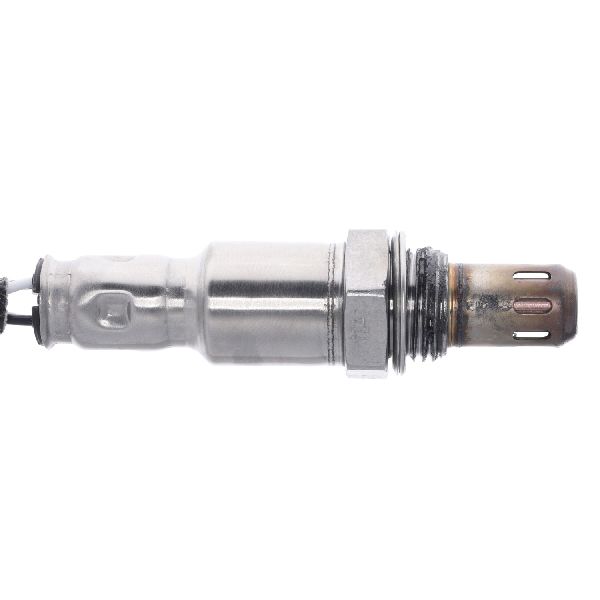
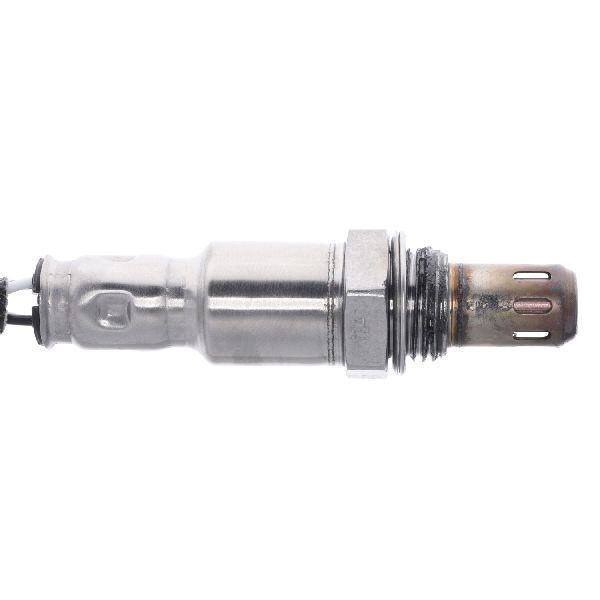
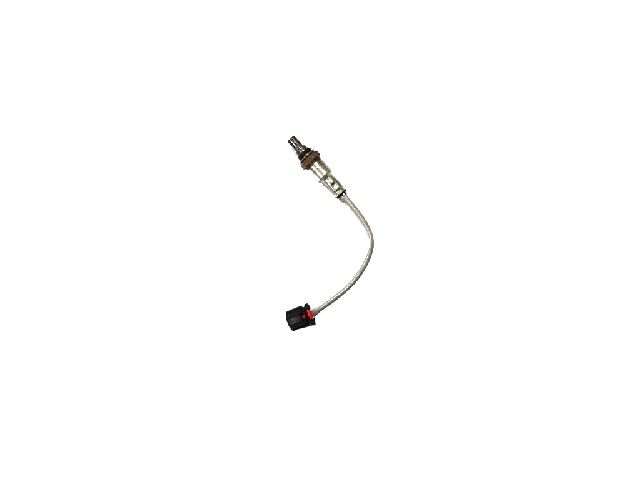
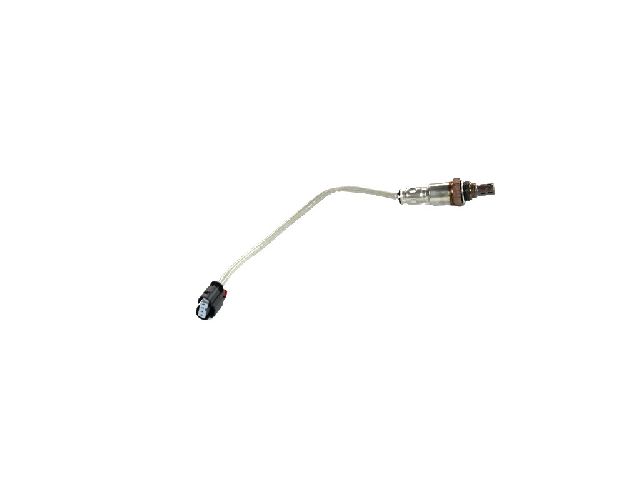
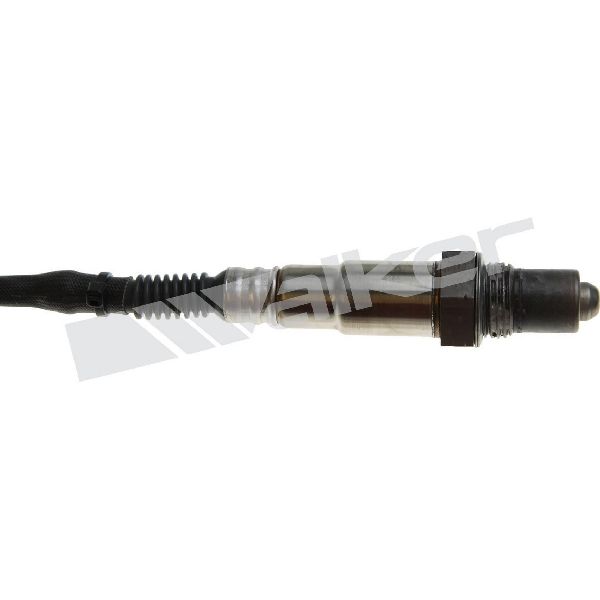
Your Ram 1500 uses heated, 4-wire, narrow-band oxygen sensors. The physical difference between upstream and downstream sensors is often the length of the wire harness. Always confirm the part number against your truck's VIN and specific engine/transmission configuration.
We Have This Part in Stock

The information in this article is provided for general reference and educational purposes only. Vehicle specifications, procedures, and part compatibility can vary by production date, trim level, and region. Always consult your vehicle's factory service manual and verify part numbers before purchasing or performing repairs. Safety-critical components such as airbags, seat belts, and braking systems should be installed by a qualified professional.
- Ram 1500:
- 🎬 Helpful Videos
- 🛍️ Shop This Part
- Understanding Oxygen Sensor Failure in Your Ram 1500
- Common Symptoms of a Bad Oxygen Sensor
- Choosing the Right Aftermarket Oxygen Sensor
- Known Issues: Recalls and Technical Service Bulletins
- Cost of Replacing a Ram 1500 Oxygen Sensor
- Frequently Asked Questions
- 🎟️ Get 5% Off