

Jeep Wrangler (2020-2024) Engine Coolant Temperature Sensor Guide
Experiencing overheating, poor fuel economy, or a check engine light in your JL Wrangler? Your Engine Coolant Temperature sensor could be the culprit.
- A bad ECT sensor can cause a check engine light, poor fuel economy, overheating, and rough idling.
- This is a DIY-friendly repair, but access may require removing the inner fender liner.
- For critical sensors on a Wrangler, many owners recommend using OEM Mopar or top-tier aftermarket brands like NGK or Delphi to ensure reliability.
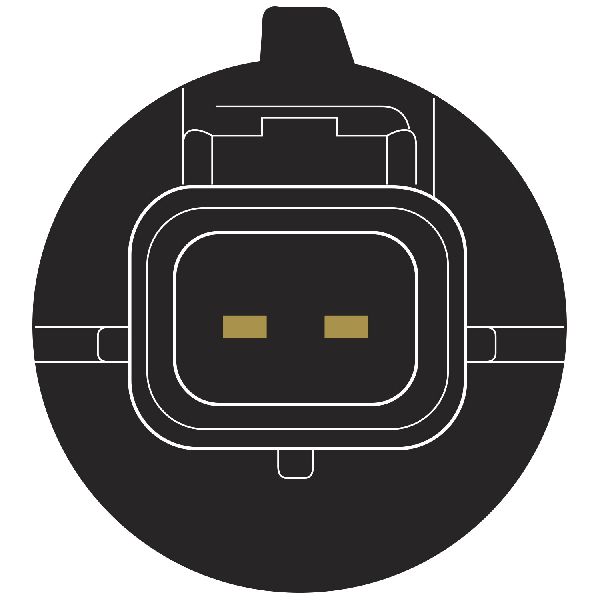
- Be careful not to confuse the ECT sensor with the oil temperature sensor, as they can look similar.
Is Your Wrangler's Coolant Temp Sensor Failing?


A faulty Engine Coolant Temperature (ECT) sensor can cause a range of confusing problems. Because the sensor's reading affects so many engine functions, a bad signal can make the engine behave as if it's always cold or always hot, regardless of its actual temperature. Recognizing the signs early can prevent further engine trouble.
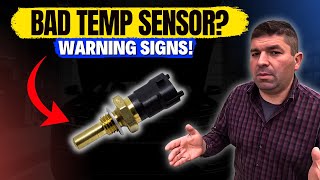
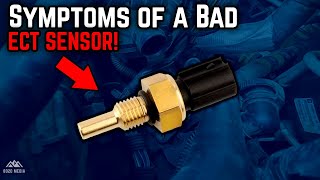
🎬 Watch this breakdown of common engine coolant temperature sensor symptoms.Common Symptoms of a Bad ECT Sensor:
- Check Engine Light: This is often the first sign. The vehicle's computer detects a problem with the sensor's signal and triggers a warning light. Common trouble codes include P0117, P0118, and P0128.
- Poor Fuel Economy: If the sensor incorrectly tells the computer the engine is cold, the computer will enrich the fuel mixture, causing you to use more gas than necessary.
- Engine Overheating or Running Cool: A bad sensor can fail to trigger the cooling fans when needed, leading to overheating. Conversely, it might provide a false overheating signal, causing the temperature gauge to spike even when the engine is at a normal temperature.
- Black Smoke from Exhaust: A very rich fuel mixture, caused by a false 'cold' signal, can result in unburned fuel igniting in the exhaust, producing black smoke.
- Rough Idle and Poor Performance: The engine may shake, hesitate, or feel sluggish because the air-fuel mixture and ignition timing are incorrect.
Common Ordering Mistake
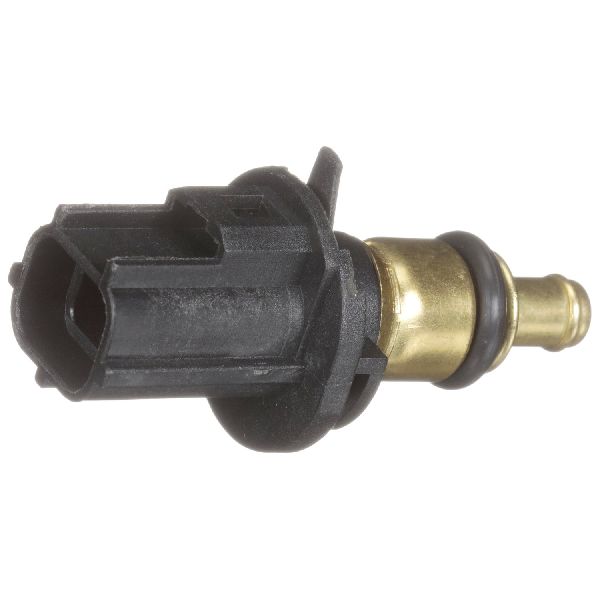
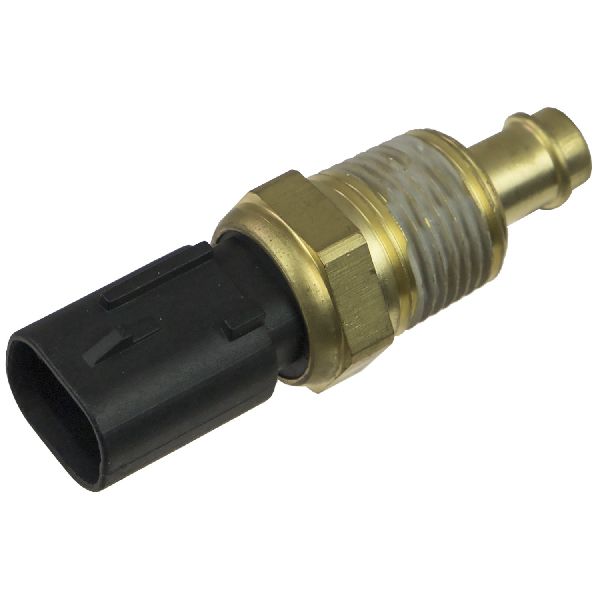
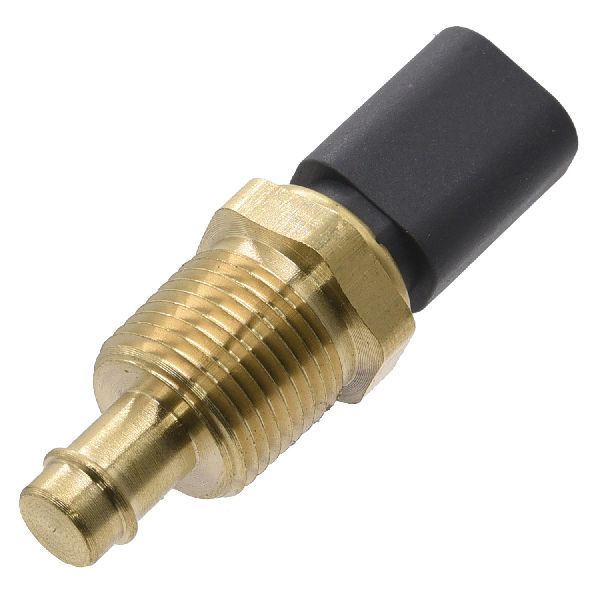
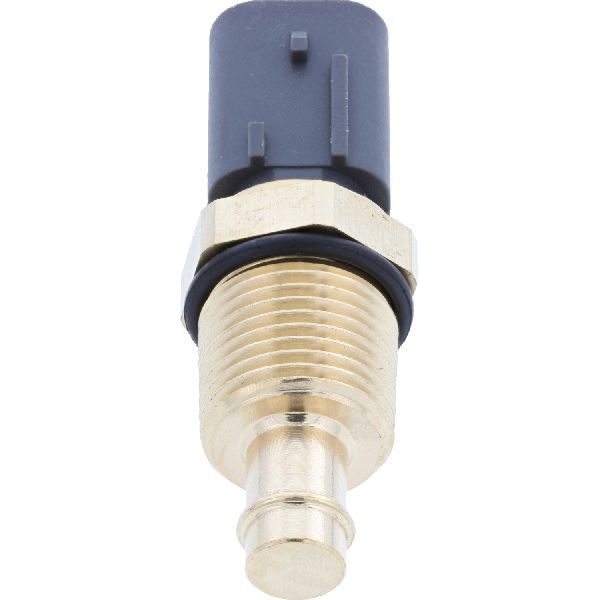
Many Jeep owners accidentally purchase the oil temperature sensor instead of the coolant temperature sensor, as they can look similar and use the same electrical connector. The ECT sensor for the 3.6L engine is typically a smaller, brass, threaded unit with a crush washer that installs into the cylinder head, not the larger sensor located near the oil filter housing. Always verify the location and appearance before purchasing.
🎬 See how to avoid confusing the oil and coolant sensors.Choosing the Right Aftermarket Sensor

When it comes to sensors for modern Jeeps, quality matters. While OEM Mopar parts are a safe bet, several reputable aftermarket brands offer a good balance of quality and value. Forum discussions among Wrangler owners often suggest that for critical sensors, sticking to OEM or top-tier aftermarket brands is wise to avoid premature failure.
- Top-Tier Brands (OEM Equivalent): Brands like NGK/NTK and Delphi are often original equipment manufacturers for many car brands and are highly regarded for their reliability. They are engineered to meet or exceed OE specifications.
- Trusted Aftermarket Brands: Standard Ignition (SMP) and Walker Products have a long history of producing reliable replacement parts and are a solid choice for this repair.
- Value-Oriented Brands: Brands like Dorman offer a cost-effective solution. However, owner feedback on Dorman sensors can be mixed; some have no issues, while others report a shorter lifespan compared to OEM or top-tier brands.
Pro Tip: Many experienced mechanics and Jeep owners recommend using OEM Mopar sensors for critical electronic components like the ECT sensor. They argue the extra cost is worth the peace of mind and avoids the labor of replacing a failed aftermarket part a second time.
Cost of Replacing a Jeep Wrangler ECT Sensor
| Part Type | Estimated Cost |
|---|---|
| New Aftermarket Sensor | $15 - $77 |
| New OEM (Mopar) Sensor | $45 - $80 |
| Shop Labor | $100 - $180 |
Note: Costs are estimates and can vary based on location and supplier.
Frequently Asked Questions

Where is the ECT sensor located on a 2020-2024 Jeep Wrangler?
On the 3.6L Pentastar V6 engine, 🎬 Watch a step-by-step coolant sensor replacement on a 3.6L engine. the ECT sensor is typically located on the driver's side cylinder head, toward the back of the engine. For the 2.0L Turbo engine, a forum post suggests one sensor is on the passenger side, and accessing it may require removing the inner fender liner for direct access. Always consult a repair manual for your specific engine to confirm the location.
Can I replace the ECT sensor myself?
Yes, this is a DIY-feasible job for someone with basic mechanical skills. The difficulty is low, and it typically takes about 30 minutes to an hour. The main challenge can be accessing the sensor, which may require removing the inner fender liner. Be sure the engine is completely cool before starting to avoid burns from hot coolant.
Do I need to drain the coolant to replace the sensor?
You don't have to drain the entire system. Some coolant will leak out when you remove the old sensor. If you are quick with swapping the new sensor in, you will only lose a few ounces of coolant. Have the new sensor ready to install immediately to minimize coolant loss, and have a drain pan underneath to catch any spills.
Are there any recalls for the ECT sensor on the 2020-2024 Wrangler?
As of late 2025, there are no specific recalls for the Engine Coolant Temperature sensor on the 2020-2024 Jeep Wrangler. However, there is a Customer Satisfaction Notification (ZD8) for potential coolant leaks from the inlet tube on some 2021-2022 models with the 2.0L engine, which can lead to overheating. There are also unrelated recalls for the 4xe plug-in hybrid models concerning fire risk and loss of power.
Helpful Videos
Technical Specifications
OEM Part Numbers: 68492698AA
The sensor for the 3.6L V6 is typically a threaded brass sensor with a crush washer. It is crucial to verify the part for your specific engine (2.0L Turbo or 3.6L V6) as they may differ.
We Have This Part in Stock


The information in this article is provided for general reference and educational purposes only. Vehicle specifications, procedures, and part compatibility can vary by production date, trim level, and region. Always consult your vehicle's factory service manual and verify part numbers before purchasing or performing repairs. Safety-critical components such as airbags, seat belts, and braking systems should be installed by a qualified professional.
- Jeep Wrangler: