

A Mechanic's Guide to the 2020-2024 Chevrolet Silverado 1500 Oxygen Sensor
Learn to spot the signs of a bad O2 sensor and choose the right replacement part for your truck.
- Your Silverado 1500 has four oxygen sensors; two upstream for fuel control and two downstream for emissions monitoring.
- A check engine light and a noticeable drop in gas mileage are the most common signs of a failing sensor.
- Before replacing a sensor, inspect the wiring harness for melting near the exhaust or corrosion at the connector, as covered by GM service bulletins.
- For best performance and to avoid future issues, use OEM (ACDelco) or OES (Denso, NTK) sensors, especially for the critical upstream positions.
Is Your Silverado's Oxygen Sensor Failing?


A failing oxygen sensor (or O2 sensor) is a common issue. Since these sensors live in the hot exhaust stream, they wear out over time. Ignoring a bad sensor can lead to poor gas mileage, a rough-running engine, and even damage to your expensive catalytic converters. Catching the problem early saves you money and headaches.
Symptoms of a Bad Oxygen Sensor
- Check Engine Light: This is the most common sign. The computer will store a trouble code related to the failing sensor.
- Worse Gas Mileage: A bad upstream sensor can make your engine run rich, burning more fuel than needed.
- Rough Idle or Misfires: The wrong air-fuel mix can cause your engine to stumble, hesitate, or misfire.
- Failed Emissions Test: A bad O2 sensor is an automatic fail at the smog station.
- Rotten Egg Smell: This smell from the exhaust often points to an overheating catalytic converter, which can be caused by a faulty O2 sensor.
Known Issues: Check Wiring First!
Before you buy a new sensor, check for two known issues on these trucks. GM has issued Technical Service Bulletins (TSBs) for problems that can mimic a failed sensor.
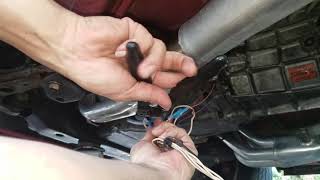
- Melted Wiring Harness (TSB 24-NA-042): On some trucks, the Bank 1 (driver's side) upstream sensor wire can be routed too close to the hot exhaust pipe, causing it to melt. This can trigger multiple sensor and misfire codes. Inspect the harness for any signs of heat damage. 🎬 See how to properly repair damaged oxygen sensor wiring.
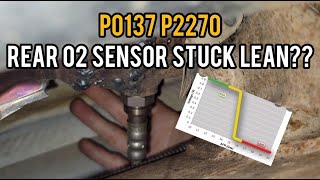
- Corroded Connector (TSB 21-NA-123): For 2020-2023 models, the downstream sensor connector can get corroded from road salt and debris, especially if you tow frequently. This can cause a P0038 trouble code. Check the connector for green or white corrosion.
Choosing the Right Aftermarket Oxygen Sensor

You have two main choices: OEM or aftermarket. For a critical part like an oxygen sensor, the choice matters.
- OEM (ACDelco): This is the part your truck came with from the factory. It's guaranteed to fit and work correctly. For upstream sensors, which directly control your engine's fuel mixture, using an OEM or OEM-supplier part (like Denso or NTK) is highly recommended by most mechanics.
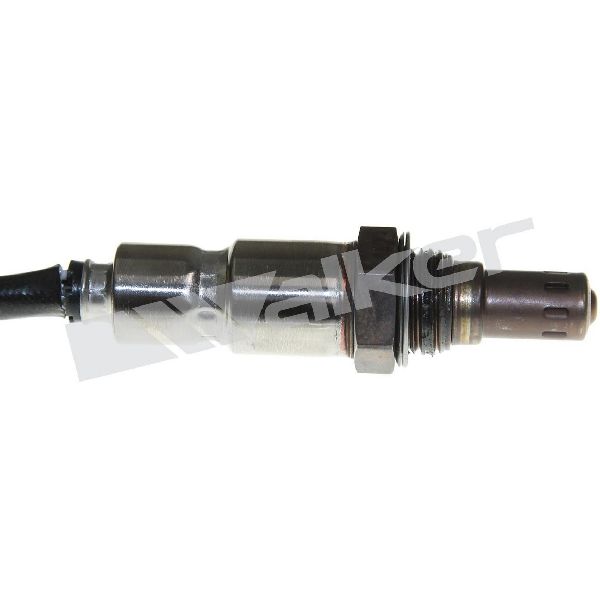
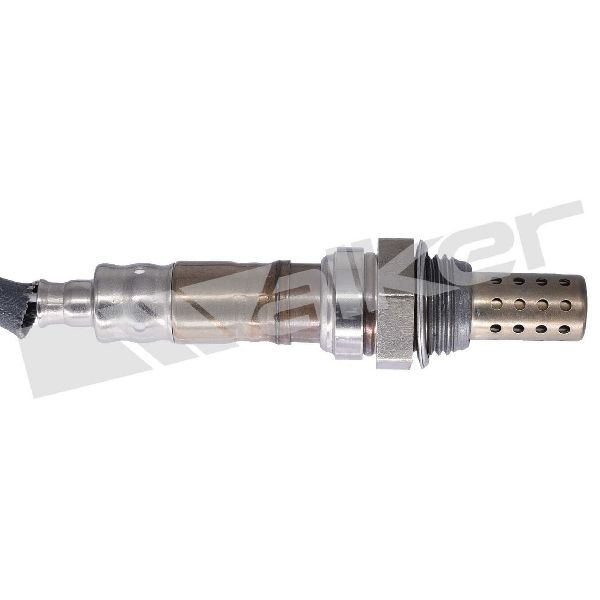
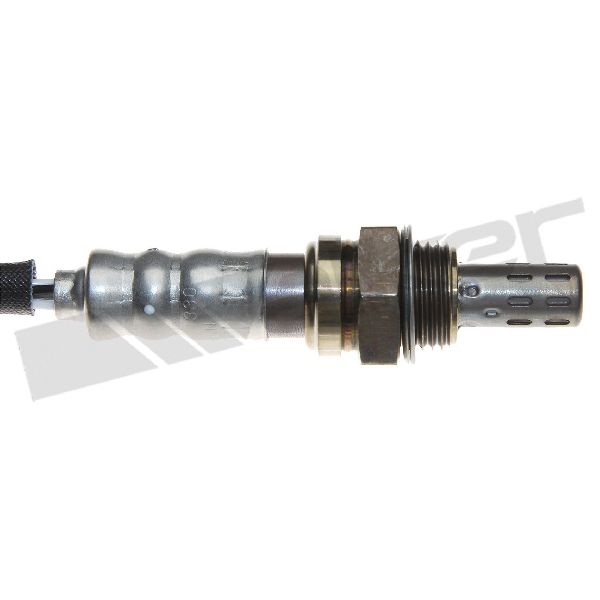
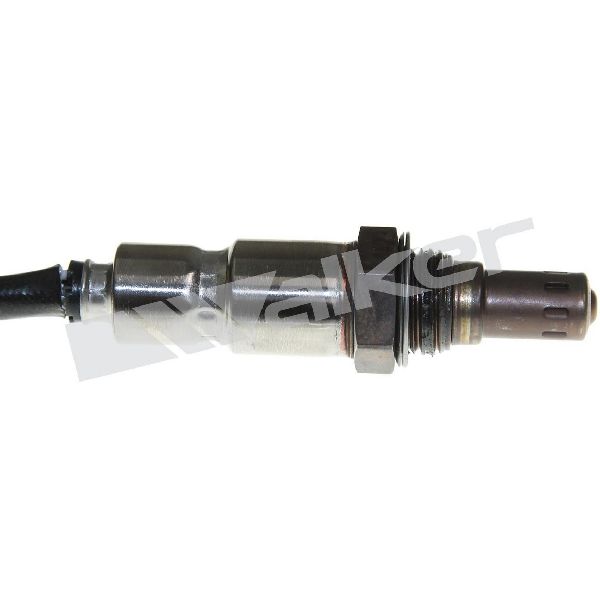
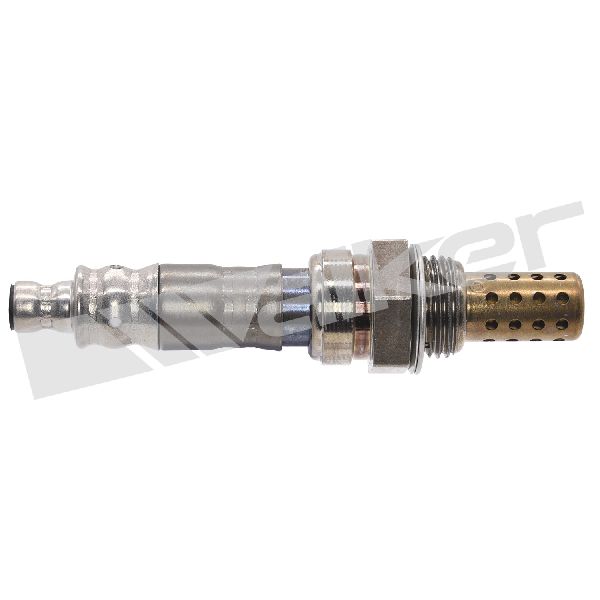
- Aftermarket (Walker Products): Aftermarket brands offer a more affordable option. Walker Products is a known brand that provides a balance of value and quality. While many users have success with them, some have reported shorter lifespans or compatibility issues compared to OEM. An aftermarket sensor might be a reasonable choice for a less-critical downstream sensor, but for upstream sensors, the risk of performance issues is higher.
Pro Tip: Installation Best Practices
When replacing the sensor, always let the exhaust cool down completely first. Use a special 7/8" (or 22mm) O2 sensor socket with a slot for the wire to avoid damage. Most new sensors come with anti-seize compound on the threads; if not, apply a small amount to the threads only, keeping it off the sensor tip. After installation, use a scan tool to clear the trouble codes.
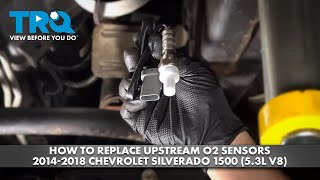
🎬 Follow this step-by-step guide to replace your upstream sensors.Cost of Replacing a Silverado 1500 Oxygen Sensor
The cost depends on whether you do it yourself or have a shop do the work. Your truck has four sensors, and the price is for a single sensor replacement.
| Part/Service | Estimated Cost |
|---|---|
| New OEM (ACDelco) Part | $40 - $60 |
| New Aftermarket (Walker) Part | $64 - $154 |
| Shop Labor | $63 - $93 |
| Total Shop Replacement | $297 - $440+ |
Frequently Asked Questions

How many oxygen sensors does my 2020-2024 Silverado have?
Your truck has four oxygen sensors. There is one upstream (before the cat) and one downstream (after the cat) sensor for each engine bank. Bank 1 is the driver's side, and Bank 2 is the passenger's side.
What is the difference between an upstream and downstream sensor?
The upstream (Sensor 1) is the most important one for engine performance. It reads the raw exhaust gas to help the computer adjust the air-fuel ratio. The downstream (Sensor 2) mainly checks if the catalytic converter is working correctly for emissions purposes. A bad upstream sensor will affect how your truck drives, while a bad downstream sensor will mainly just keep the check engine light on.
Can I clean my oxygen sensor?
No, cleaning an oxygen sensor is not recommended. The sensing element is delicate and can be damaged by cleaning agents or brushing. Contamination from coolant or oil usually means the sensor needs to be replaced. Replacement is the only reliable fix.
Why did my check engine light come back after replacing the sensor?
This can happen for a few reasons. The underlying issue might be an exhaust leak, a wiring problem (like the TSBs mentioned above), or an actual failure of the catalytic converter. It can also happen if a low-quality aftermarket sensor was used that isn't communicating correctly with the truck's computer.
Helpful Videos
Technical Specifications
OEM Part Numbers: 12679874 12687606 12679935 12670253 55488558
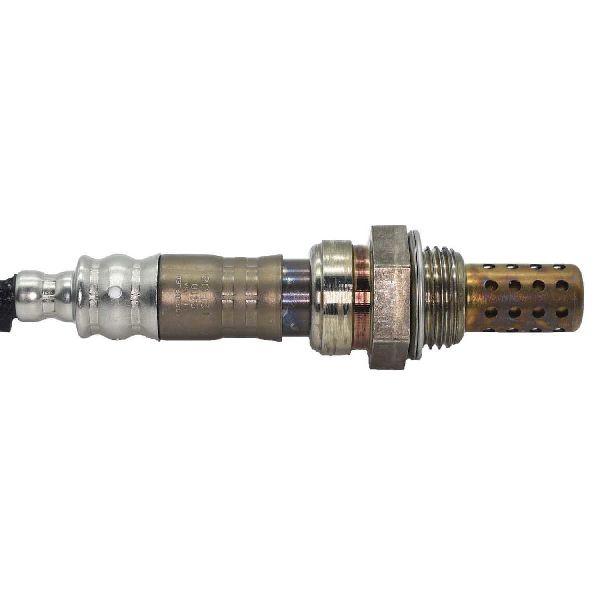
Your truck uses four heated, 4-wire, narrow-band oxygen sensors. Two are located upstream (before the catalytic converter) and two are located downstream (after the catalytic converter). It is critical to order the correct sensor for the specific location (Bank 1/2, Sensor 1/2) as wire lengths and connectors may differ.
We Have This Part in Stock

The information in this article is provided for general reference and educational purposes only. Vehicle specifications, procedures, and part compatibility can vary by production date, trim level, and region. Always consult your vehicle's factory service manual and verify part numbers before purchasing or performing repairs. Safety-critical components such as airbags, seat belts, and braking systems should be installed by a qualified professional.
- Chevrolet Silverado 1500: