

Ford Explorer Spark Plug Replacement Guide (2019-2024)
Keep your Explorer's EcoBoost engine running smoothly with the right set of new aftermarket spark plugs.
- Only use high-quality iridium or ruthenium spark plugs from reputable brands like Motorcraft, NGK, Denso, or Bosch to handle the heat and pressure of the EcoBoost engine.
- Ford's official replacement interval is 100,000 miles, but many owners and mechanics recommend changing them sooner, around 60,000-75,000 miles, for preventative maintenance.
- A flashing check engine light is a serious symptom. Stop driving as soon as safely possible to avoid expensive damage to the catalytic converter.
- While most plugs are pre-gapped, always verify the gap before installation to ensure optimal performance and avoid engine issues.
Symptoms of Failing Spark Plugs in Your Explorer


Worn-out spark plugs can cause noticeable problems. Because the 2.3L and 3.0L EcoBoost engines are finely tuned, even small issues with the spark can affect performance. Look out for these common signs:
- Engine Misfires or Stuttering: The most frequent symptom is a feeling of the engine stumbling or shaking. This is often most obvious when idling or during acceleration.
- Flashing Check Engine Light: A blinking check engine light is a serious warning. It often indicates a misfire that is severe enough to send unburned fuel into the exhaust, which can quickly damage the expensive catalytic converter. Common trouble codes include P0300 (random misfire) or P0301 through P0306 for specific cylinders.
- Reduced Power and Acceleration: If a cylinder isn't firing correctly, your Explorer will feel sluggish and less responsive.
- Poor Fuel Economy: When combustion is inefficient due to a weak spark, the engine has to work harder, burning more gasoline than usual.
- Rough Idle: Your engine may vibrate or run unevenly when you're stopped at a light.
TSB for Water Intrusion
For 2019-2022 Ford Ranger models with the 2.3L EcoBoost engine (also used in the Explorer), Ford issued Technical Service Bulletin (TSB) 23-2011. This TSB addresses an issue where water can leak past the cowl seal (at the base of the windshield) and drip into the spark plug wells. This can short out the ignition coil and corrode the spark plug, causing a misfire, especially after rain or a car wash. While this TSB is specific to the Ranger, the engine design is similar, so it's wise to check for moisture in the spark plug wells during replacement.
Choosing the Right Aftermarket Spark Plugs

Your Explorer came from the factory with high-quality iridium spark plugs made by Motorcraft. When choosing an aftermarket replacement, it's important to match the quality and material to ensure proper performance in the demanding EcoBoost engine.
OEM vs. Aftermarket Quality
Motorcraft (OEM): Ford's own brand, Motorcraft, provides iridium spark plugs that are the benchmark for quality and fit. They are designed specifically for your engine's performance and emissions requirements. You can't go wrong with OEM, but high-quality aftermarket options can offer similar or even specialized performance at a competitive price.
Aftermarket Tiers:
- Top-Tier (NGK, Denso): Brands like NGK and Denso are often the original equipment manufacturers for many automakers and have a stellar reputation. Their iridium and ruthenium plugs are considered by many to be equal to or better than OEM. NGK's Ruthenium HX plugs, in particular, are designed for the high heat and pressure of modern turbocharged engines like the EcoBoost and are a popular upgrade.
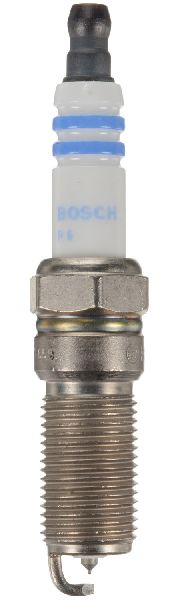
- Excellent Quality (Bosch, Champion): Bosch is another major OEM supplier, and their Double Iridium plugs are a reliable and high-performance choice. Champion also produces quality iridium plugs that meet the demands of modern engines.
- Standard/Economy (Autolite, ACDelco): While these brands offer dependable products, it's crucial to select their top-of-the-line iridium options to match the specifications of your Explorer's original plugs. Avoid using basic copper or single platinum plugs, as they will not last and may cause performance issues in an EcoBoost engine.
Match the Material and Heat Range
For the 2019-2024 Explorer's EcoBoost engines, you must use iridium or ruthenium spark plugs. These materials have a very high melting point and resist wear, which is necessary for longevity in a turbocharged engine. If your Explorer is tuned for higher performance, many owners recommend using a "one step colder" plug to prevent pre-detonation, but for a stock vehicle, stick with the factory-specified heat range.
Cost to Replace Ford Explorer Spark Plugs

| Part or Service | Estimated Cost |
|---|---|
| New OEM (Motorcraft) Spark Plugs | $12 - $20 per plug |
| New Aftermarket Spark Plugs | $6 - $68 per plug |
| Shop Labor | $150 - $300 |
| Total Professional Replacement | $200 - $420 |
Frequently Asked Questions
How often should I replace the spark plugs on my 2019-2024 Explorer?
Ford's official maintenance schedule recommends replacing the spark plugs every 100,000 miles for normal use. However, many mechanics and enthusiasts, especially for turbocharged EcoBoost engines, suggest a shorter interval of 60,000 to 75,000 miles to maintain peak performance. If your vehicle is tuned, the interval should be much shorter, often around 20,000-30,000 miles.
Is replacing the spark plugs a DIY job?
Yes, for many owners with basic mechanical skills, this is a feasible DIY job. The difficulty is moderate. On the 2.3L engine, access to all four plugs is generally straightforward after removing the engine cover and some brackets. On the 3.0L V6, you must remove a strut tower brace to access the plugs, and the rear plugs can be tight to reach. A swivel socket adapter and various extensions are very helpful.
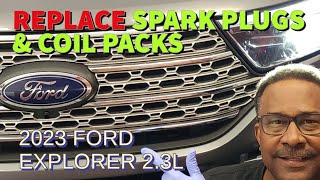
🎬 See how to replace spark plugs on a newer Explorer.Do I need to gap the new spark plugs?
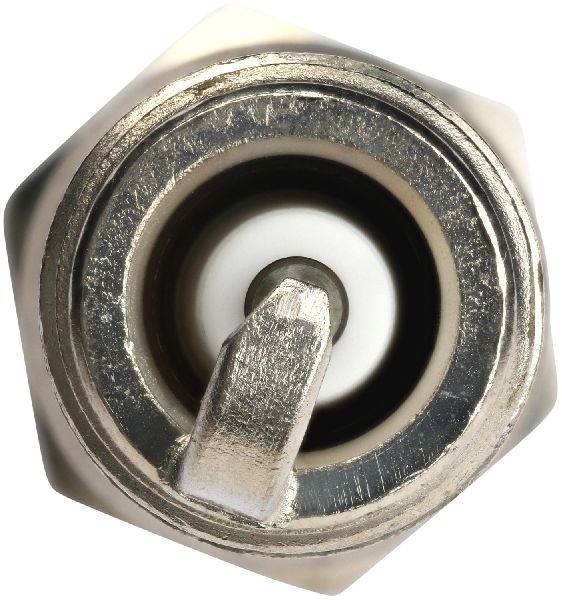
Most high-quality iridium and ruthenium plugs come pre-gapped from the factory. However, it is always a best practice to double-check the gap with a feeler gauge before installation to ensure it wasn't changed during shipping. The correct gap specification can be found in your owner's manual. Never use a disc-style gapping tool on fine-wire iridium or ruthenium plugs, as it can damage the delicate electrode.
Should I replace the ignition coils at the same time?
It is not usually necessary to replace the ignition coils (also called coil packs) when you replace the spark plugs, unless one is faulty. Coils are designed to last much longer than plugs. However, if you are experiencing a misfire and find oil or significant corrosion on a spark plug, the corresponding coil boot seal may be failing and the coil should be replaced.
🎬 Watch a video on diagnosing bad spark plugs and coils.Helpful Videos

Technical Specifications
OEM Part Numbers: SP-594 (CYFS12YRT3) SP-578 (CYFS12YPT)
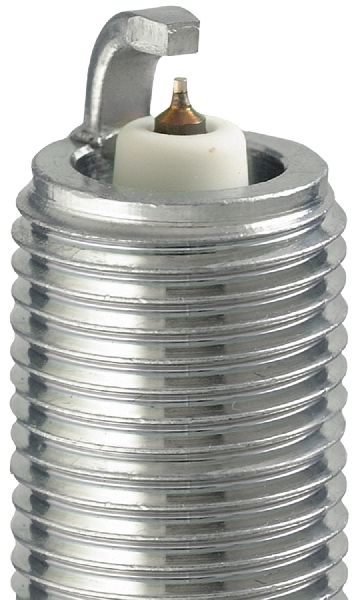
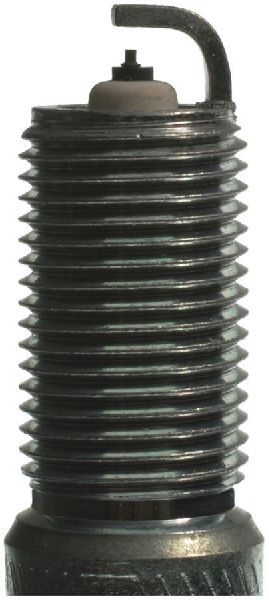
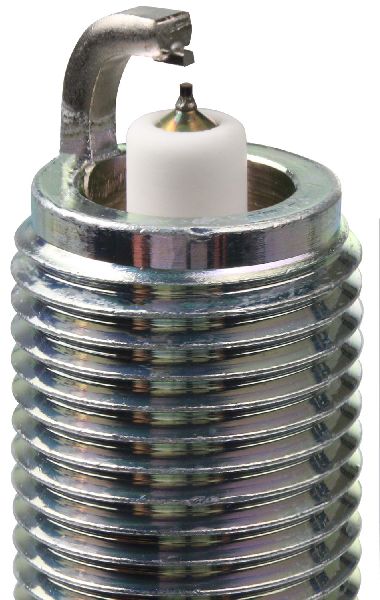
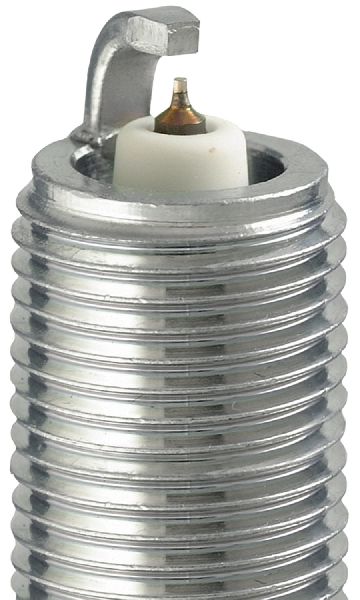
The 2019-2024 Ford Explorer with the 2.3L and 3.0L EcoBoost engines requires fine-wire iridium or ruthenium spark plugs. The OEM part is typically a Motorcraft SP-594 or SP-578. Always confirm the specific part number for your vehicle's engine and model year before purchasing.
We Have This Part in Stock

The information in this article is provided for general reference and educational purposes only. Vehicle specifications, procedures, and part compatibility can vary by production date, trim level, and region. Always consult your vehicle's factory service manual and verify part numbers before purchasing or performing repairs. Safety-critical components such as airbags, seat belts, and braking systems should be installed by a qualified professional.
- Ford Explorer: