

Volkswagen Atlas (2018-2024) Engine Coolant Temperature Sensor: A Complete Guide
Experiencing overheating, poor fuel economy, or a check engine light on your VW Atlas? Your coolant sensor could be the problem.
- A bad ECT sensor can cause overheating, poor fuel economy, and a check engine light on your Atlas.
- Before replacing the sensor, rule out other common Atlas coolant issues like leaks, a faulty water pump, or air in the system.
- Use an OBD-II scanner to confirm fault codes like P2185 or P0117 before buying parts.
- Given the small price difference, choose a reliable OEM-equivalent brand like Hella or Delphi over a budget sensor.
Is Your Atlas Overheating or Running Rough?

A failing Engine Coolant Temperature (ECT) sensor can cause a surprising number of problems in your 2018-2024 Volkswagen Atlas. Because this sensor provides crucial data to the engine's computer, a bad signal can lead to everything from bad gas mileage to serious engine overheating. Symptoms often appear as a check engine light, an inaccurate temperature gauge on your dashboard, or the engine running poorly. This guide will help you understand the symptoms, choose the right aftermarket replacement, and avoid common diagnostic mistakes specific to the VW Atlas.
Important Atlas-Specific Coolant System Issues
Before you replace the ECT sensor, be aware of other common issues on the 2018-2024 Atlas that can cause similar warnings:
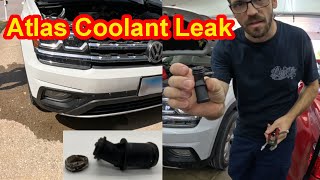
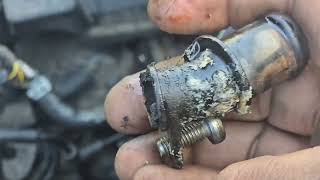
- Service Action 19O6 (2018 Atlas): Some 2018 models had a faulty coolant level sensor in the expansion tank that could leak. The fix was to replace the entire coolant bottle. A "low coolant" light might be this issue, not a temperature problem. 🎬 See how to fix common coolant leaks at the overflow hose.
- TSB 19-22-01 (2018-2022 Atlas): Many owners report low coolant warnings without any visible leaks. A Technical Service Bulletin suggests this can be caused by air pockets trapped in the cooling system from the factory. A dealer may simply top off the coolant and check for leaks rather than replace parts.
- Water Pump Failures: The water pump is a known weak point on many Atlas models. A failing pump can cause coolant loss and overheating warnings that mimic a bad sensor. 🎬 Watch this DIY guide to replacing a failing water pump.
Always check for diagnostic codes and have the system pressure-tested for leaks before assuming the ECT sensor is the only problem.
Choosing the Right Aftermarket Sensor

You have several brands to choose from, and since the price difference is small, quality should be your main focus. A poor-quality sensor can fail quickly or provide inaccurate readings, causing the same problems you're trying to fix.
Tier 1: OEM-Equivalent Brands
These brands are often original equipment suppliers to Volkswagen and other German automakers. They are the safest choice for reliability and accurate performance.
- Hella: A well-respected German brand with a long history of supplying parts to VW.
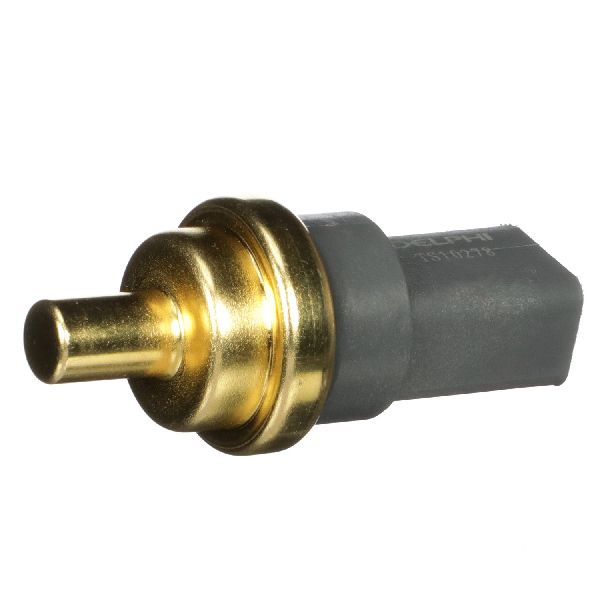
- Delphi: A global OEM supplier known for high-quality electronic components. Choosing Delphi is a reliable bet for fit and function.
- NGK: While famous for spark plugs, NGK also manufactures high-quality sensors under their NTK brand, which are known for their reliability.
Tier 2: Reputable Aftermarket
These brands focus on the aftermarket but have a reputation for quality control and performance that often meets or exceeds original specs.
- Standard Ignition (Standard Motor Products): A very common and generally reliable aftermarket brand. While quality can sometimes vary, they are a solid choice and widely available.
Tier 3: Budget & Variable Quality Brands
These brands offer a lower price point, but quality can be inconsistent. They might be a re-boxed OEM part, or they could be a lower-spec part from a different factory.
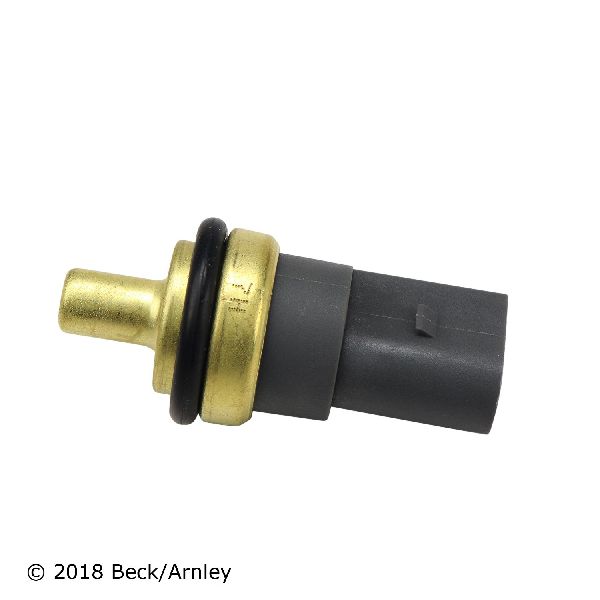
- Beck Arnley: This brand often re-packages parts from various sources, including OEM suppliers. However, some users report receiving lower-quality parts, making it a gamble.
- Holstein: Generally considered a budget-friendly option. They may be suitable for less critical repairs, but for a sensor that controls engine functions, it may be worth spending a few dollars more on a higher-tier brand.
- Motorad, Global Parts, True Tech, VNE: These brands fall into the standard budget aftermarket category. They can offer good value, but lack the established OEM-supplier reputation of Tier 1 brands.
Pro-Tip: Given that a high-quality OEM sensor from Volkswagen costs around $25-$45, and top-tier aftermarket brands are in a similar range, it rarely makes sense to save $10 on a budget sensor for this critical component.
Cost to Replace a VW Atlas Coolant Temperature Sensor

| Part Type | Price Range |
|---|---|
| New OEM | $25 - $45 |
| New Aftermarket | $9 - $44 |
| Shop Labor | $75 - $150 |
| Total Estimated Cost | $85 - $195 |
Frequently Asked Questions
Where is the ECT sensor located on the VW Atlas?
The Engine Coolant Temperature sensor is typically screwed into the engine block, cylinder head, or thermostat housing. 🎬 Watch a step-by-step walkthrough for replacing the thermostat and housing. You will need to trace the upper radiator hose back to the engine to find the thermostat area, and the sensor will be nearby with an electrical connector attached. The exact location can vary slightly between the 2.0L turbo and 3.6L V6 engines.
What happens if I don't replace a bad coolant sensor?
Ignoring a faulty ECT sensor is not recommended. It can lead to persistently poor fuel economy, damage to your catalytic converter from a rich fuel mixture, and potentially severe engine damage if the engine overheats because the cooling fans don't turn on. It's an inexpensive fix that prevents very expensive problems.
My check engine light is on. How do I know it's the sensor?
You need to have the codes read with an OBD-II scanner. Codes like P0115, P0117, P0118, or P2185 specifically point to the coolant temperature sensor circuit. Without reading the codes, you are just guessing.
Is it hard to replace the ECT sensor myself?
For most people with basic tools, this is a very DIY-friendly job that takes less than an hour. The key steps are letting the engine cool completely, locating the sensor, having a new one ready to swap in quickly to minimize coolant loss, and ensuring the new O-ring is seated correctly. Always disconnect the battery before working on electrical sensors.
Helpful Videos


Technical Specifications
OEM Part Numbers: 079-919-525-M 6k919523 6k919525 6k919525a
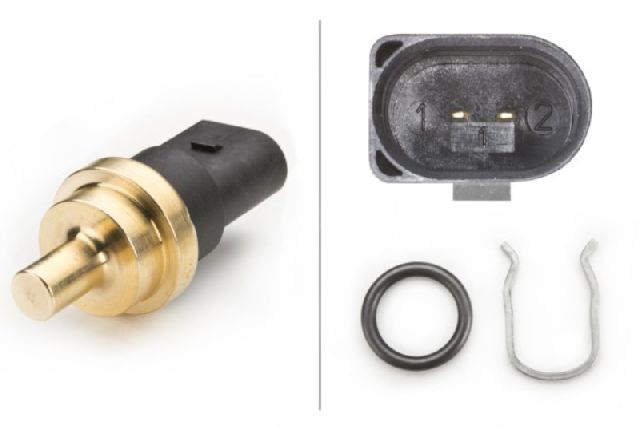
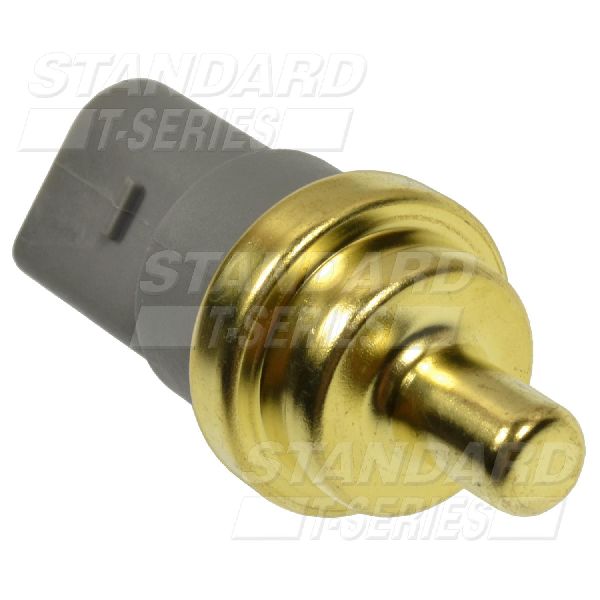
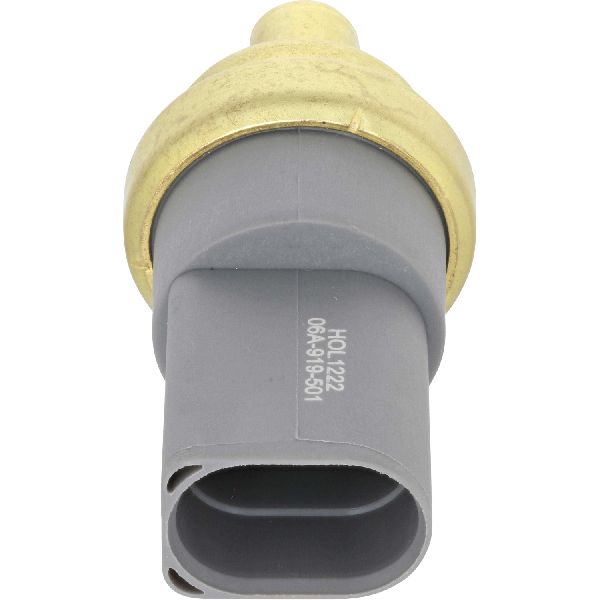
The sensor is a thermistor that changes resistance based on coolant temperature. It typically has a plastic connector and a brass body that screws into the cooling system. Most use a 2-pin or 3-pin connector.
We Have This Part in Stock


The information in this article is provided for general reference and educational purposes only. Vehicle specifications, procedures, and part compatibility can vary by production date, trim level, and region. Always consult your vehicle's factory service manual and verify part numbers before purchasing or performing repairs. Safety-critical components such as airbags, seat belts, and braking systems should be installed by a qualified professional.
- Volkswagen Atlas: