

Toyota Venza Oxygen Sensor Guide for 2021-2024 Models
Keep your Venza's advanced hybrid system running at peak efficiency by choosing the right oxygen sensor.
- The Venza was not sold in North America from 2018-2020; this guide applies to 2021-2024 models.
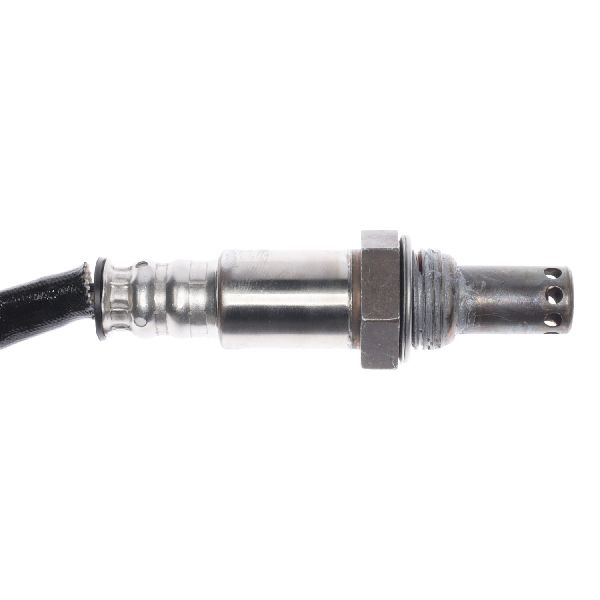
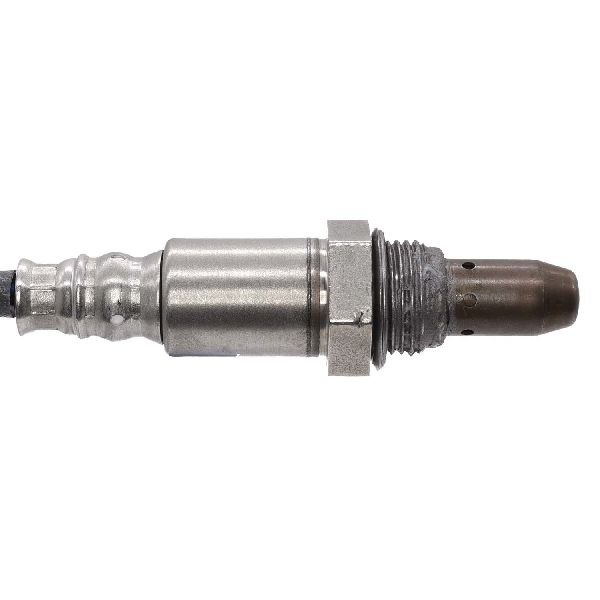
- For the sensitive hybrid system, use a high-quality replacement from brands like Denso (OEM), Bosch, or Walker.
- Ignoring a bad oxygen sensor can lead to poor fuel economy and expensive damage to your catalytic converter.
- No recalls have been issued for the oxygen sensors on this vehicle as of early 2026.
Understanding Your Venza's Model Years
Important Note on Vehicle Years
You are shopping for a 2021-2024 Toyota Venza. The Venza was not produced for the North American market for the 2018, 2019, and 2020 model years. This guide is specific to the second-generation Venza, sold from 2021 to 2024, which comes exclusively with a 2.5L hybrid engine and all-wheel drive.
Symptoms of a Failing Oxygen Sensor
When an oxygen sensor starts to fail, your Venza's onboard computer may not be able to correctly balance the air-fuel mixture. This can lead to several noticeable problems. Ignoring these symptoms can lead to more expensive repairs, like a damaged catalytic converter.
- Check Engine Light: This is the most common sign. A diagnostic scan will often point to a specific sensor-related trouble code.
- Reduced Fuel Economy: If the computer receives bad data, it may inject more fuel than necessary, causing you to visit the gas station more often.
- Rough Idle or Misfires: An incorrect air-fuel mixture can cause your engine to run poorly, especially when stopped.
- Failed Emissions Test: A bad oxygen sensor is a leading cause of failing a vehicle emissions inspection.
Choosing the Right Aftermarket Sensor
The 2021-2024 Venza's hybrid system is sensitive, and the engine computer expects precise readings. While OEM is always an option, high-quality aftermarket brands can provide excellent performance and value. For Toyota vehicles, it's crucial to use a sensor that meets or exceeds OEM specifications to avoid compatibility issues.
OEM Supplier Information
Denso is the Original Equipment Manufacturer (OEM) for many of Toyota's parts, including oxygen sensors. Choosing a Denso-branded sensor is often equivalent to buying the genuine Toyota part, but at a lower price.
Brand Quality Tiers
1. Premium Aftermarket (e.g., Bosch): Bosch is a world-renowned brand that actually invented the automotive oxygen sensor. They are a trusted OEM supplier for many carmakers and are known for high-quality, durable sensors that offer a long service life, sometimes up to 90,000 miles. They are an excellent alternative to the OEM part.
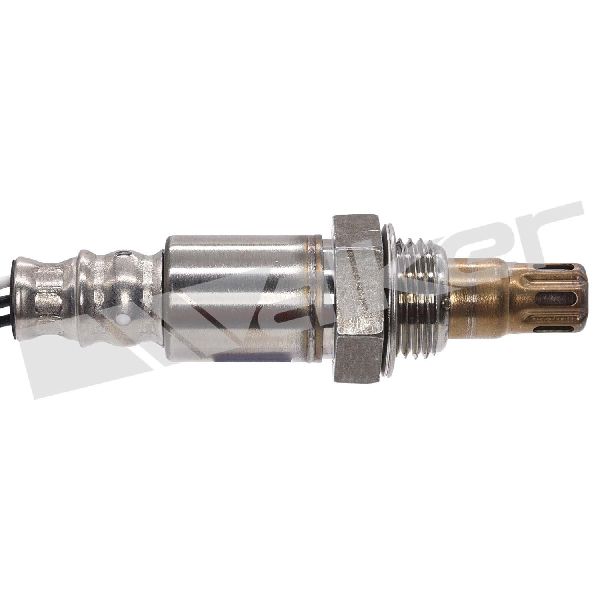
2. Value Aftermarket (e.g., Walker Products): Walker is a well-regarded aftermarket brand that offers a balance of quality and price. Forum discussions suggest that Walker may use sensor components from OEM manufacturers like Denso in their assemblies. They provide a reliable and budget-friendly option for your Venza.
Replacement Cost Comparison
The cost of replacing an oxygen sensor can vary based on the part you choose and whether you do the work yourself. The 2021-2024 Venza has multiple oxygen sensors (upstream and downstream), and their prices can differ.
| Part Type | Estimated Cost |
|---|---|
| New Aftermarket | $151.55 - $305.78 |
| New OEM (Denso/Toyota) | $180 - $250 |
| Shop Labor | $120 - $180 |
Cost estimates are for a single sensor and do not include taxes or shop supply fees. Labor costs are based on a replacement time of 1-1.5 hours.
Frequently Asked Questions
How many oxygen sensors does my 2021-2024 Venza have?
The 2.5L engine in your Venza typically has two or more oxygen sensors. There is usually at least one 'upstream' sensor (also called an Air/Fuel Ratio Sensor) located before the catalytic converter, and one 'downstream' sensor located after it. Your specific vehicle may have more depending on the exhaust configuration.
What's the difference between an upstream and downstream sensor?
The upstream (or Sensor 1) sensor provides the primary feedback for adjusting the air-fuel mixture. The downstream (or Sensor 2) sensor's main job is to monitor the efficiency of the catalytic converter. The upstream sensor is more critical for engine performance and fuel economy.
Can I clean my old oxygen sensor instead of replacing it?
It is not recommended. The sensing element is delicate, and contaminants that cause failure are often internal. Cleaning the exterior will not restore a failing sensor, and you risk damaging it further. Replacement is the only reliable solution.
Are there any recalls for the Venza oxygen sensor?
As of early 2026, there are no specific recalls or technical service bulletins (TSBs) from Toyota or the NHTSA for oxygen sensor failures on the 2021-2024 Toyota Venza.
Technical Specifications
OEM Part Numbers: 89467-33170 89467-48190 89467-73010
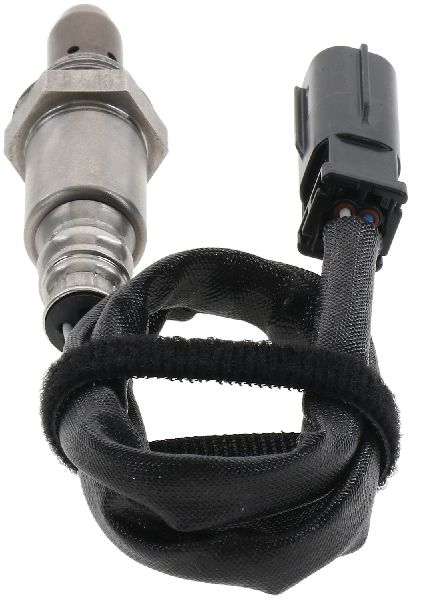
The 2021-2024 Venza uses heated air-fuel ratio sensors (upstream) and oxygen sensors (downstream). These are specifically designed for its 2.5L A25A-FXS hybrid engine. Ensure any replacement is a direct-fit with the correct connector to avoid installation issues.
We Have This Part in Stock

The information in this article is provided for general reference and educational purposes only. Vehicle specifications, procedures, and part compatibility can vary by production date, trim level, and region. Always consult your vehicle's factory service manual and verify part numbers before purchasing or performing repairs. Safety-critical components such as airbags, seat belts, and braking systems should be installed by a qualified professional.
- Toyota Venza: