

Ford F-150 Oxygen Sensor Guide (2018-2024): Symptoms, Brands, and Replacement
Is a bad oxygen sensor causing your F-150's check engine light? Here’s what you need to know before you buy a new one.
- A bad oxygen sensor is a common cause for the check engine light on a 2018-2024 F-150, with codes like P0131 or P0420 being frequent.
- Stick to reputable aftermarket brands like Bosch, Denso, or NGK/NTK, as they are often the OEM suppliers and offer the same quality for less money.
- If you get a P0420 or P0430 code, consider replacing the downstream O2 sensor before the much more expensive catalytic converter.
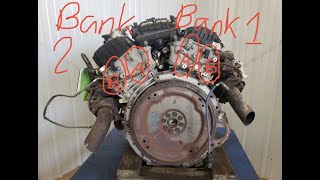
- Your F-150 has four O2 sensors; Bank 1 is on the passenger side, and Bank 2 is on the driver's side.
Is Your F-150's Check Engine Light On?

The most common reason an F-150 owner needs to replace an oxygen sensor is a persistent check engine light. A faulty sensor can't send the right signals to the engine's computer, leading to a range of problems from annoying to serious. Ignoring a bad O2 sensor can cause poor fuel economy, damage your spark plugs, and eventually lead to the failure of your much more expensive catalytic converters.
Common Symptoms of a Failing Oxygen Sensor

Aside from the check engine light, you might notice other signs that an O2 sensor is going bad:
- Worse Gas Mileage: The engine may use more fuel than necessary because the air-fuel mixture is incorrect.
- Rough Engine Idle or Misfires: An imbalanced fuel mixture can cause the engine to run rough, shake, or misfire.
- Sluggish Acceleration: Your truck may feel less powerful or hesitate when you press the gas pedal.
- Rotten Egg Smell: A sulfur-like smell from the exhaust can indicate a rich fuel mixture and a failing sensor.
- Failed Emissions Test: A bad O2 sensor is a common reason for failing a state emissions inspection.
Don't Mistake a Sensor for a Bigger Problem
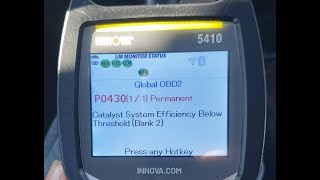
Diagnostic Trouble Codes (DTCs) like P0420 and P0430 point to "catalyst efficiency below threshold." While this can mean a failed catalytic converter, it's often caused by a faulty downstream oxygen sensor giving a bad reading. It's a common practice to replace the downstream O2 sensor first, as it's a much cheaper potential fix than a new catalytic converter.
🎬 Watch: How to diagnose and fix P0420/P0430 codes easily.Choosing the Right Aftermarket Oxygen Sensor

When it comes to electronic sensors for your F-150, brand quality matters. Sticking with reputable brands is crucial for ensuring the part works correctly and lasts.
Tier 1: OEM or Better
- Bosch, Denso, and NGK/NTK: These brands are frequently the original equipment manufacturers for Ford. Choosing one of these is essentially like buying the OEM part without the dealership price tag. They are known for their reliability and precise readings, which is critical for the F-150's sensitive engine management system. Denso, in particular, is one of the largest OE suppliers in the world.
Tier 2: Quality Aftermarket
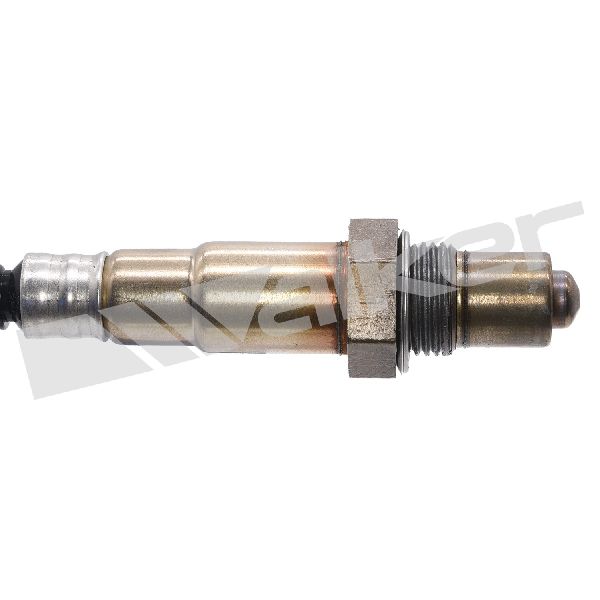
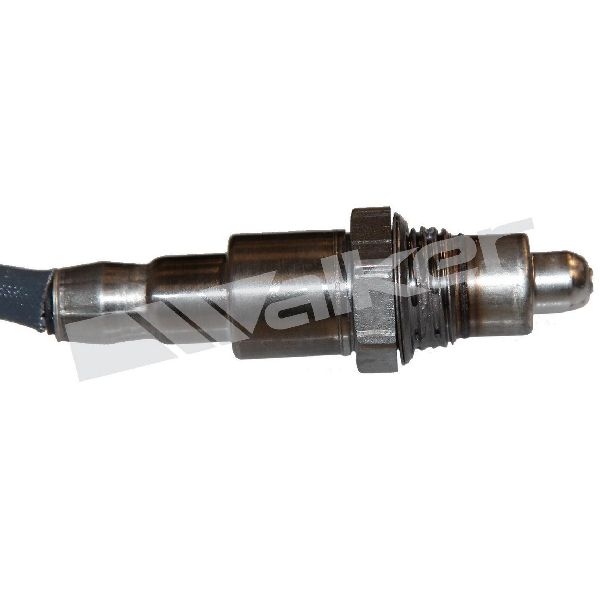
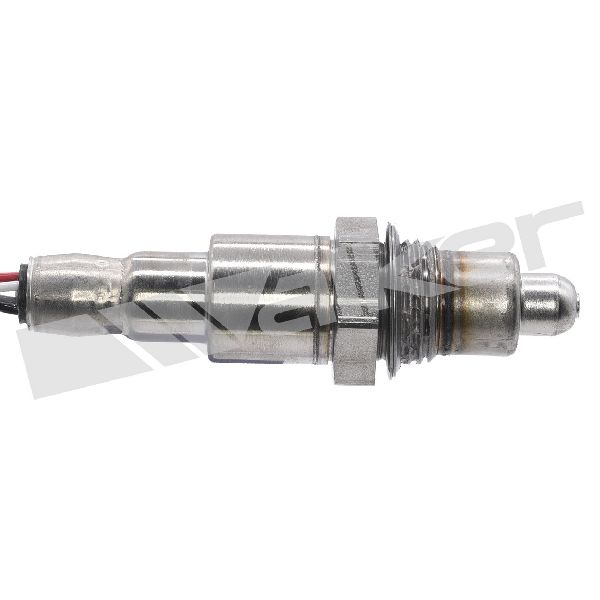
- Walker Products: This is a well-regarded aftermarket brand that produces reliable sensors. While not always an OEM supplier, they are a solid choice if a Tier 1 brand is not available.
Tier 3: Use with Caution
- DriveWire and Store Brands: While the price is tempting, budget-friendly and generic-brand sensors have a reputation for being unreliable, failing prematurely, or being dead on arrival. For a critical part like an O2 sensor, it's usually worth spending a little more to avoid doing the job twice.
OEM vs. Aftermarket Quality
For a part like an oxygen sensor, there is often no difference in quality between an OEM part from a Ford dealership and a top-tier aftermarket part from a brand like Bosch or Denso. These companies manufacture the parts for Ford, so buying their brand is a smart way to get the same quality for less money.
Known Issues for 2018-2024 Ford F-150

While there are no specific recalls for oxygen sensors on this generation of F-150, a few Technical Service Bulletins (TSBs) are relevant:
- TSB 22-2260: For some 2018-2020 F-150s with the 2.7L EcoBoost engine, DTCs P0420 or P0430 might appear. Ford notes this can be caused by high-sulfur fuel. The TSB recommends a specific driving procedure to "de-sulfate" the catalytic converters before any parts are replaced.
- Emission Recall 24E12: Affecting 2018-2020 F-150s with the 2.7L EcoBoost, this recall requires a Powertrain Control Module (PCM) software update. Some owners have reported this update resolved persistent check engine lights related to the exhaust system.
Cost to Replace an F-150 Oxygen Sensor
The cost depends on whether you do it yourself or go to a shop. Your truck has four sensors, and prices can vary depending on the specific sensor (upstream or downstream).
| Item | Estimated Cost |
|---|---|
| New Aftermarket Sensor | $47 - $244 |
| New OEM Sensor | $80 - $200 |
| Shop Labor | $100 - $200 per sensor |
| DIY Total | $47 - $244 |
| Shop Total | $147 - $444 |
Frequently Asked Questions

How many oxygen sensors does my 2018-2024 F-150 have?
All V8 and V6 engines in the 2018-2024 F-150, including the EcoBoost models, are equipped with four oxygen sensors. There are two upstream sensors (Bank 1 and Bank 2) and two downstream sensors (Bank 1 and Bank 2).
What is the difference between upstream and downstream sensors?
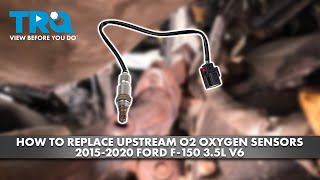
Upstream sensors (also called Sensor 1) are located on the exhaust manifold or downpipe before the catalytic converter. They are the primary sensors for controlling the engine's air-fuel ratio. 🎬 See this walkthrough for replacing upstream sensors on V6 models. Downstream sensors (Sensor 2) are located after the catalytic converter and are used to monitor its efficiency.
Can I replace just one oxygen sensor?
Yes. You only need to replace the sensor that has failed. However, oxygen sensors have a similar lifespan, so if one fails, another may not be far behind. Some mechanics recommend replacing them in pairs (both upstream or both downstream) if the vehicle has high mileage.
Do I need a special tool to replace an O2 sensor?
Yes, it is highly recommended. You will need a special O2 sensor socket, which is a deep socket with a slot down the side for the sensor's wire to pass through. Using a standard wrench can be difficult and may damage the sensor or the wire. The size is typically 22mm or 7/8".
What does "Bank 1" or "Bank 2" mean?
"Bank 1" always refers to the side of the engine that contains cylinder #1. On Ford V8 and V6 engines, this is the passenger side. "Bank 2" is the opposite bank, which is the driver's side.
🎬 Watch: How to locate all four sensors on your F-150.Helpful Videos
Technical Specifications
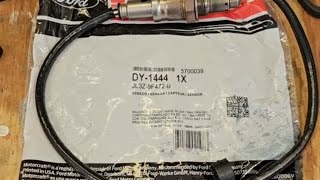
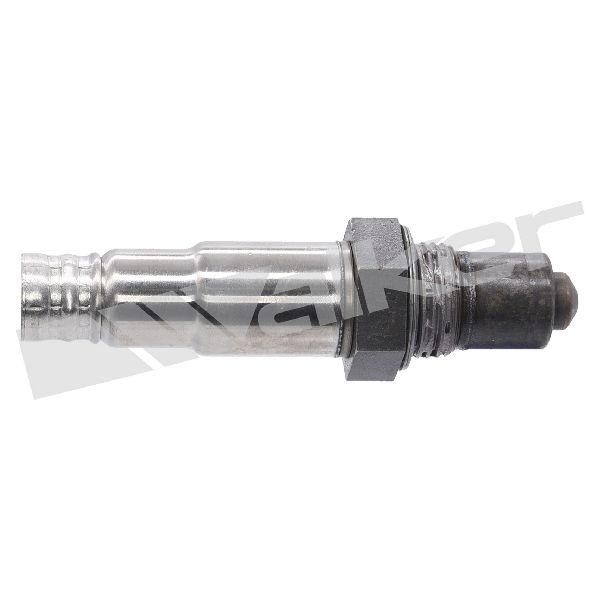
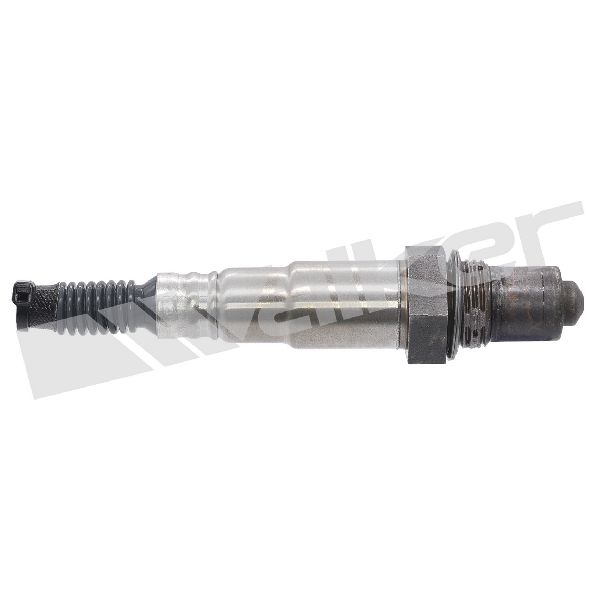
OEM Part Numbers: JL3Z-9G444-B JL3Z9F472B JL3A-9G444-AC DY-1185
Your F-150 uses four heated oxygen sensors. The specific part number will vary based on the sensor's position (Upstream/Downstream, Left/Right) and your truck's specific engine. Always verify the part number and connector shape before purchasing.
We Have This Part in Stock

The information in this article is provided for general reference and educational purposes only. Vehicle specifications, procedures, and part compatibility can vary by production date, trim level, and region. Always consult your vehicle's factory service manual and verify part numbers before purchasing or performing repairs. Safety-critical components such as airbags, seat belts, and braking systems should be installed by a qualified professional.
- Ford F-150: