

Ford Escape (2018-2024) Oxygen Sensor: A Complete Guide
Address check engine lights and poor fuel economy by understanding your Escape's oxygen sensors and choosing the right replacement.
- A check engine light is the most common symptom of a bad O2 sensor; always scan for codes to confirm which sensor is faulty.
- Continuing to drive with a bad O2 sensor can lead to damage of the much more expensive catalytic converter.
- For best results, choose an OEM (Motorcraft) or a top-tier aftermarket brand like Bosch, Denso, or NGK/NTK.
- Replacement on a 2018-2024 Escape can be difficult due to tight spaces, especially for the downstream sensor on 1.5L AWD models.
Signs of a Failing Oxygen Sensor in Your Escape

When an oxygen sensor starts to fail, your Escape's computer can't properly adjust the air-fuel mixture. This can lead to several noticeable problems. Ignoring these symptoms can cause poor performance and may eventually damage your expensive catalytic converter.
- Check Engine Light: This is the most common sign. A diagnostic scan might show codes like P0420, P0135, P0171, or P0138.
- Worse Gas Mileage: A bad sensor can cause the engine to use more fuel than necessary, so you'll find yourself at the gas pump more often.
- Rough Idle and Misfires: The engine may shake, run poorly, or hesitate, especially when idling.
- Black Smoke or Rotten Egg Smell: An incorrect fuel mixture can lead to black smoke from the exhaust or a sulfur-like, rotten egg smell, which indicates a problem in the exhaust system.
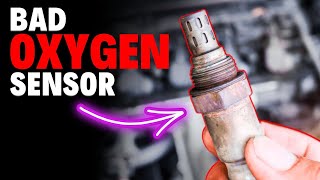
- Failed Emissions Test: A faulty O2 sensor is a common reason for failing a state-mandated emissions inspection. 🎬 Watch: 9 warning signs of a bad oxygen sensor.
Choosing the Right Aftermarket Oxygen Sensor

When replacing an O2 sensor, you have a choice between OEM (Motorcraft) and various aftermarket brands. While aftermarket parts are more affordable, quality can vary. For a critical component like an O2 sensor, it's best to stick with trusted brands.
Brand Quality Tiers for Ford Escape
| Tier | Brands | Notes |
|---|---|---|
| OEM | Motorcraft | This is the original part your Escape was built with. It guarantees perfect fit and function but comes at the highest price. |
| Top-Tier Aftermarket | Bosch, Denso, NGK (NTK) | These companies are often the original manufacturers for Ford and other automakers. They offer OEM-level quality, reliability, and fit, often at a lower price than the Motorcraft-branded part. Bosch is a particularly well-regarded pioneer in O2 sensor technology. |
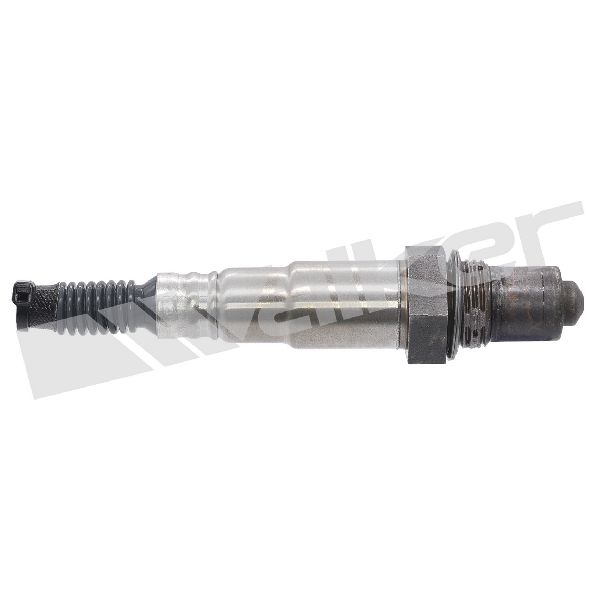
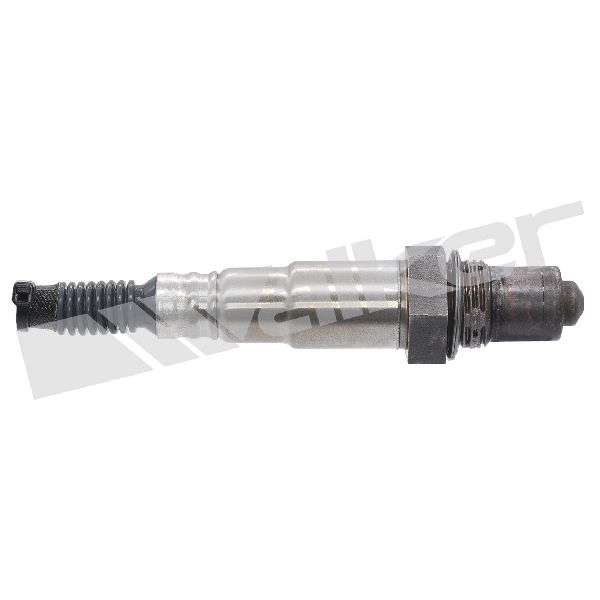
| Standard Aftermarket | Walker Products, Facet | These brands provide a budget-friendly option. While functional, they may not offer the same longevity or precise calibration as top-tier brands. They can be a good choice for older, higher-mileage vehicles or if budget is the main concern. |
Pro Tip: Many new, high-quality aftermarket sensors come with anti-seize compound already applied to the threads. If not, apply a small amount to the threads only, being careful not to get any on the sensor tip itself.
Known Issues & Replacement Notes for 2018-2024 Escape

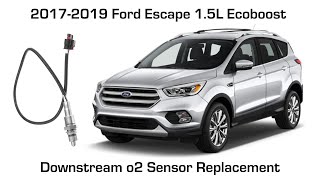
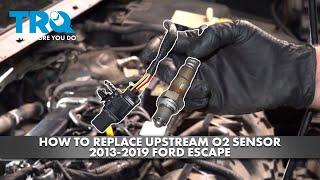
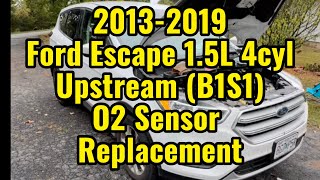
No specific recalls or Technical Service Bulletins (TSBs) have been issued by Ford or the NHTSA for oxygen sensor failures on the 2018-2024 Escape models. However, owners and technicians report that replacement can be difficult, especially on the 1.5L EcoBoost engine. The downstream sensor, in particular, is in a very tight spot, and on All-Wheel Drive (AWD) models, some mechanics have found it necessary to remove the driveshaft for access. 🎬 See this walkthrough for replacing the downstream sensor. The upstream sensor often requires removing the air filter box and battery tray. Due to the difficulty and the risk of the sensor being seized in the exhaust pipe, this job can be challenging for a DIYer.
Frequently Asked Questions (FAQ)

How many oxygen sensors does my 2018-2024 Ford Escape have?
Most 4-cylinder engines, like those in the Escape, have at least two O2 sensors: one upstream (before the catalytic converter) and one downstream (after the catalytic converter). Some vehicles can have up to four. Always use a diagnostic scanner to identify which specific sensor has failed before ordering a replacement.
What's the difference between an upstream and downstream sensor?
The upstream sensor (also called Sensor 1) is located before the catalytic converter and is a primary input for controlling the engine's air-fuel ratio. The downstream sensor (Sensor 2) is located after the catalytic converter and its main job is to monitor the converter's efficiency. They are not interchangeable.
Can I clean my oxygen sensor instead of replacing it?
It is not recommended. The sensing element is delicate and can be damaged by cleaning attempts. Contaminants that cause the sensor to fail often penetrate the sensor's internals, making cleaning ineffective. Replacement is the only reliable solution.
Do I need a special tool to replace an O2 sensor?
Yes, an oxygen sensor socket is highly recommended. It's a deep socket with a slot cut out for the sensor's wire. Using one makes the job much easier and prevents damage to the new sensor's wiring. They are typically 22mm or 7/8 inch.
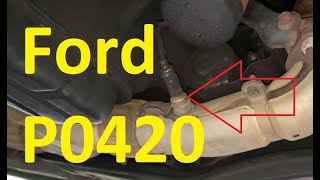
My scanner shows code P0420. Is it the O2 sensor?
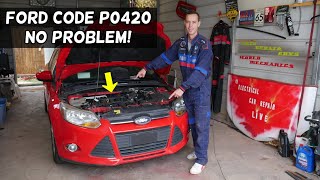
Maybe, but not always. Code P0420 means "Catalyst System Efficiency Below Threshold." This is often caused by a failing downstream O2 sensor giving a bad reading, but it can also mean your catalytic converter is actually failing, or you have an exhaust leak. It's common to replace the less expensive O2 sensor first, but proper diagnosis is key.
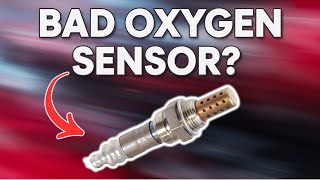
🎬 Watch: How to diagnose and fix Ford code P0420.Helpful Videos

![Bad O2 Sensor Symptoms Downstream & Upstream [Oxygen Sensor Failure and Causes] How to fix & Replace](https://img.youtube.com/vi/b-xxdBlikSA/mqdefault.jpg)
Technical Specifications
OEM Part Numbers: DY1615 f1fz-9g444-g
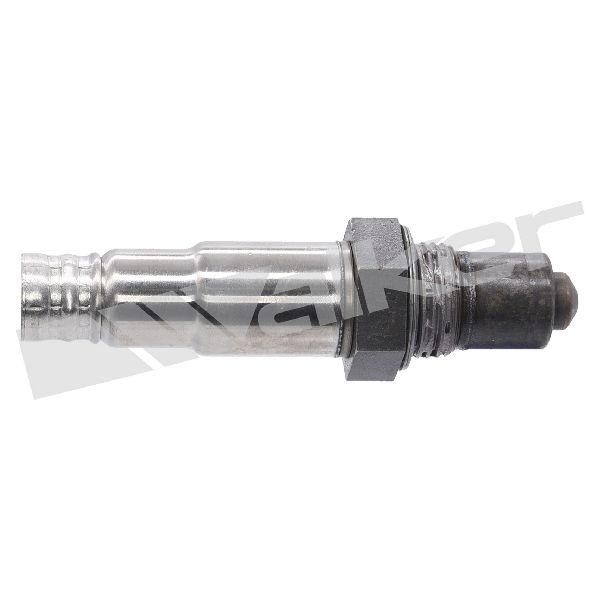
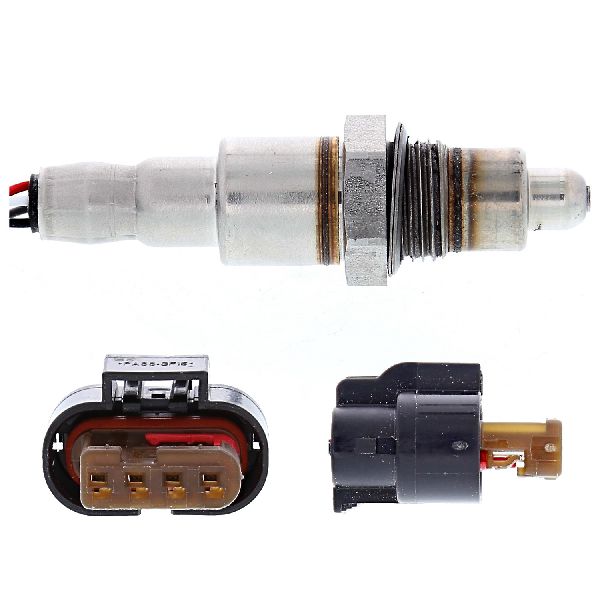
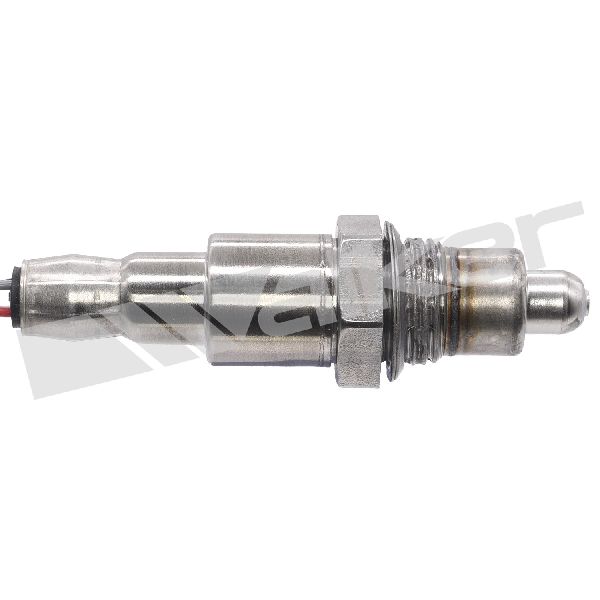
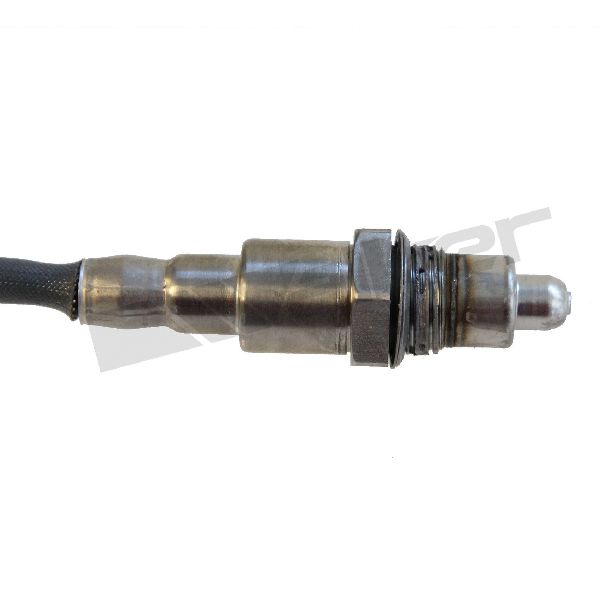
Most 2018-2024 Ford Escape models use a 4-wire heated oxygen sensor. The specific sensor (upstream/downstream) and wire length will vary based on your exact engine and drivetrain configuration. Always verify the part number for your specific vehicle.
We Have This Part in Stock

The information in this article is provided for general reference and educational purposes only. Vehicle specifications, procedures, and part compatibility can vary by production date, trim level, and region. Always consult your vehicle's factory service manual and verify part numbers before purchasing or performing repairs. Safety-critical components such as airbags, seat belts, and braking systems should be installed by a qualified professional.
- Ford Escape: