

A Guide to Replacing the Oxygen Sensor on Your 2018-2023 Kia Sportage
A bad oxygen sensor can hurt your fuel economy and engine performance; here’s how to choose the right replacement.
- A bad O2 sensor will decrease fuel economy and can damage your catalytic converter if ignored.
- For a reliable repair, choose an OE-equivalent brand like Mando, Denso, NGK, or Bosch.
- Always diagnose the specific fault code to know whether to replace the upstream (Sensor 1) or downstream (Sensor 2) sensor.
- If a new sensor doesn't fix the issue, ask a mechanic about a potential software update for the engine computer.
Is Your Kia Sportage Oxygen Sensor Failing?

A failing oxygen (O2) sensor can cause noticeable problems. Because the sensor's data is used to control the engine's air-fuel mixture, a bad sensor can send incorrect information. This can make your Sportage run poorly and waste gas. If you ignore the signs, you could even damage your expensive catalytic converter over time.
Key Symptoms of a Bad O2 Sensor:
- Check Engine Light: This is the most common sign. A code reader will often show codes related to the O2 sensor heater circuit, slow response, or fuel mixture problems (like P0130, P0133, P0171, or P0172).
- Worse Gas Mileage: If the sensor tells the engine to use too much fuel, you'll find yourself at the gas station more often.
- Rough Idle and Misfires: An unbalanced air-fuel ratio can make your engine run rough, hesitate when you accelerate, or even misfire.
- Bad Smells: A rich fuel mixture can create a rotten egg or gasoline smell from the exhaust.
- Failed Emissions Test: A bad O2 sensor is a common reason for failing a state emissions inspection.
Choosing the Right Aftermarket Oxygen Sensor

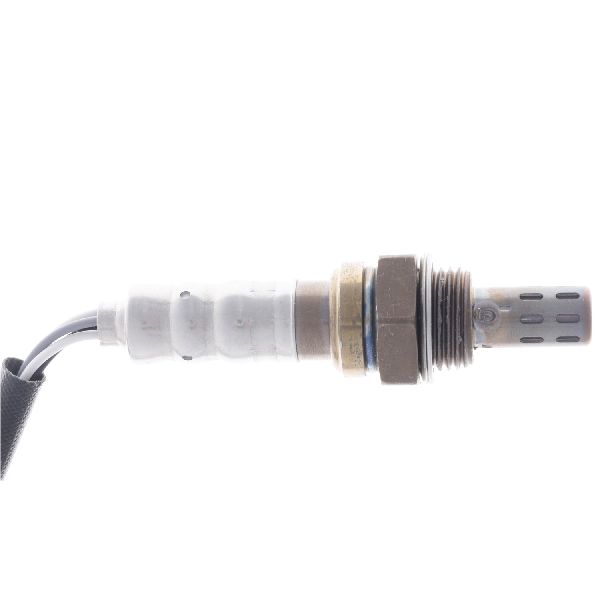
When replacing an O2 sensor on your 2018-2023 Sportage, you don't always have to buy the expensive OEM part from the dealer. Many aftermarket brands offer excellent quality, and some are even the original equipment manufacturers for Kia.
Tier 1: OEM & OE-Equivalent Brands
- Mando: Mando is a known Original Equipment (OE) supplier for Hyundai and Kia. Choosing a Mando sensor is the closest you can get to the original part without the dealership price tag. They are designed for a perfect fit and original performance.
- Denso & NGK/NTK: These brands are global leaders and supply parts directly to many automakers. They are widely trusted by professional mechanics for their reliability and precision. For many import vehicles, these are the go-to choice for OE-quality performance.
- Bosch: Bosch invented the modern automotive oxygen sensor and has a long-standing reputation for quality. They are a top-tier choice and offer a wide range of sensors that meet or exceed OEM specifications.
Tier 2: Quality Aftermarket Brands
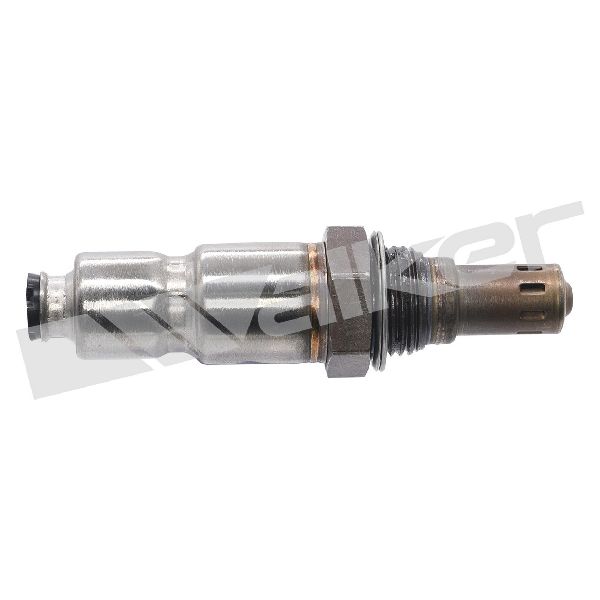
- Walker Products: Walker is a well-known aftermarket brand that offers a more budget-friendly option. While some users have reported issues, they are a widely available replacement. Ensure you are buying the correct direct-fit model for your Sportage, not a universal one that requires splicing wires.
Tier 3: Budget Brands
- Encore Automotive & Others: This brand claims to offer OE-quality parts, but customer reviews are mixed, with some reporting serious issues with other types of parts. With critical components like sensors, it's often safer to stick with a more established brand. Be cautious with lesser-known budget brands, as a faulty sensor can cause more problems than it solves.
Pro Tip: Check for Software Updates
On some Kia models, check engine light codes for oxygen sensors (like P0133 and P0134) don't always mean the sensor itself is bad. Sometimes, the vehicle's computer software needs to be updated by a dealer or a qualified shop with a factory-level scan tool. If you replace a sensor and the code comes back quickly, this might be the underlying issue.
🎬 Watch: How to diagnose and fix a P0133 code.Cost of Replacing a Kia Sportage Oxygen Sensor

The total cost depends on whether you do it yourself 🎬 See this walkthrough for replacing the upstream 2.4L sensor. or have a shop do the work. Your Sportage has two sensors, and the upstream sensor is typically more expensive than the downstream one.
| Part Type | Estimated Cost |
|---|---|
| New Aftermarket Sensor | $97 - $207 |
| New OEM Sensor | $150 - $290 |
| Shop Labor | $95 - $140 |
| Total Professional Replacement | $245 - $447 |
Frequently Asked Questions (FAQ)

How many oxygen sensors does my 2018-2023 Sportage have?
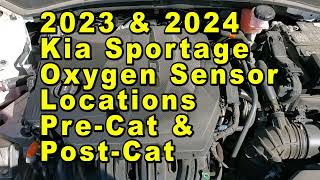
Your Kia Sportage with either the 2.4L or 2.0L Turbo 4-cylinder engine has two oxygen sensors: one upstream (before the catalytic converter) and one downstream (after the catalytic converter). They are often referred to as Bank 1 Sensor 1 (upstream) and Bank 1 Sensor 2 (downstream).
🎬 Watch: Locate both oxygen sensors on your 2023 Sportage.What is the difference between an upstream and downstream sensor?
The upstream sensor reads the raw exhaust from the engine to help control the air-fuel ratio. The downstream sensor's only job is to monitor the catalytic converter's efficiency. They are not interchangeable. The upstream sensor is a more complex, wideband sensor and is typically more expensive.
Can I replace just one oxygen sensor?
Yes. You only need to replace the sensor that has failed. A proper diagnosis with an OBD-II scanner will tell you which sensor is causing the problem (e.g., Bank 1 Sensor 1 or Bank 1 Sensor 2). There is no need to replace them in pairs.
Can I clean an O2 sensor instead of replacing it?
It is not recommended. The sensor's delicate internal components can be damaged by cleaning attempts, and contamination from things like oil or coolant often causes permanent failure. Given the critical role it plays and the relatively low cost compared to potential engine damage, replacement is the only reliable solution.
Helpful Videos
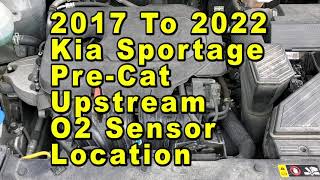
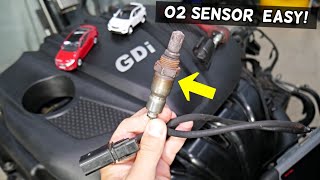



Technical Specifications
OEM Part Numbers: 39210-2G240 39210-2GBB0 39210-2GAA0 39210-2GBC0
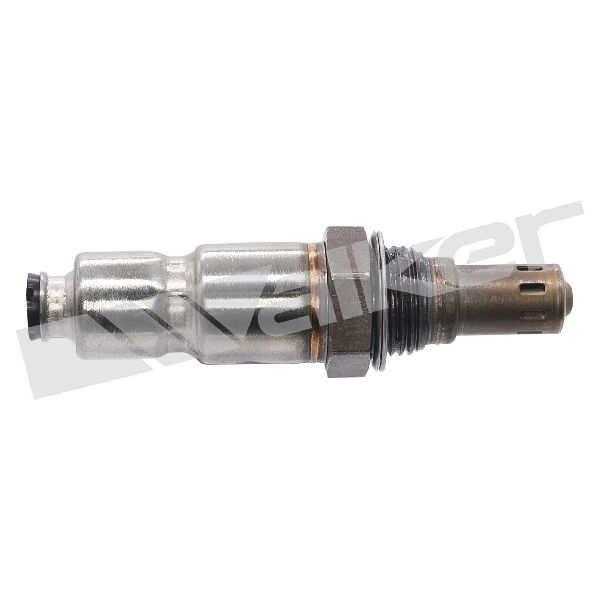
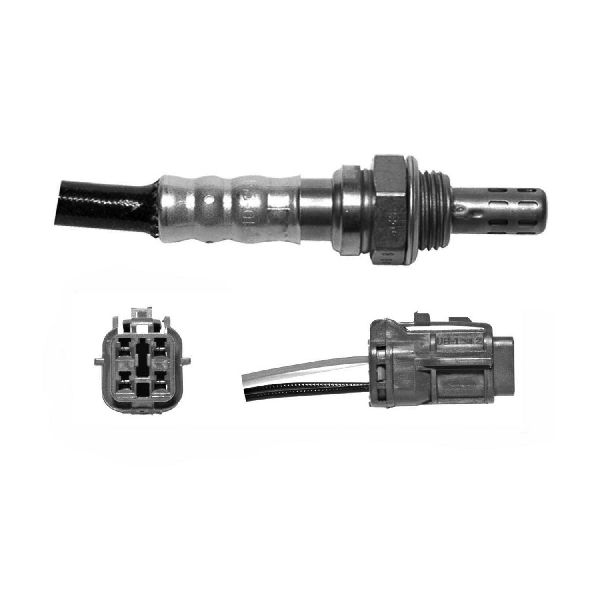
Most 2018-2023 Kia Sportage models use a 4-cylinder engine and have two oxygen sensors: one upstream (Bank 1, Sensor 1) and one downstream (Bank 1, Sensor 2). The upstream sensor is a 5-wire wideband sensor, while the downstream is typically a 4-wire sensor. Always verify the correct part for your specific engine (2.4L or 2.0L Turbo) and sensor position before ordering.
We Have This Part in Stock

The information in this article is provided for general reference and educational purposes only. Vehicle specifications, procedures, and part compatibility can vary by production date, trim level, and region. Always consult your vehicle's factory service manual and verify part numbers before purchasing or performing repairs. Safety-critical components such as airbags, seat belts, and braking systems should be installed by a qualified professional.
- Kia Sportage: