

A Guide to Replacing Disc Brake Pads on the 2017-2025 Kia Sorento
Everything a Sorento owner needs to know about choosing the right new aftermarket brake pads for their SUV.
- Pay attention to brake noise; squealing is a warning, but grinding means immediate service is required to avoid rotor damage.
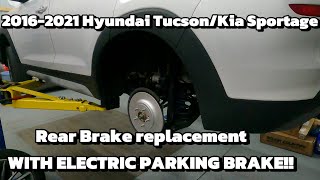
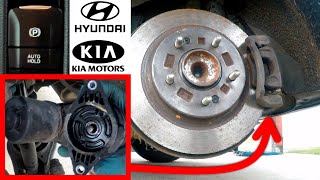
- For Sorentos with an Electronic Parking Brake (EPB), a scan tool is required to retract the rear calipers for pad replacement.
- A TSB exists for brake judder on 2021-2024 models; if you feel vibration, have a dealer check if your vehicle is covered.
- High-quality aftermarket brands like Akebono, Bosch, and PowerStop often provide excellent performance, sometimes with less dust than OEM pads.
Signs of Worn Brake Pads on Your Sorento


Your Kia Sorento will give you several warning signs when the brake pads are nearing the end of their life. Ignoring these can lead to more expensive repairs, so it's important to pay attention.
- Squealing or Screeching: The most common sign is a high-pitched squeal when you apply the brakes. This sound comes from a small metal tab called a wear indicator, which makes noise when the pad material gets too thin.
- Grinding Noise: A loud, harsh grinding sound means the brake pads are completely worn out. This is metal-on-metal contact between the pad's backing plate and the brake rotor. Stop driving immediately and have the brakes inspected to prevent severe rotor damage.
- Vibration or Pulsing: If you feel a shaking or pulsing in the brake pedal or steering wheel when you brake, it could mean the brake rotors are warped. This can sometimes be caused by uneven pad material transfer, especially after heavy braking.
- Brake Warning Light: An illuminated brake warning light on your dashboard can signal low brake fluid or a problem within the brake system. While it can have other causes, it often appears when pads are extremely low, causing the caliper piston to extend further and drop the fluid level.
- Pulling to One Side: If your Sorento pulls to the left or right when braking, it could indicate a problem with a sticking caliper or unevenly worn pads.
Known Issue: Brake Judder TSB
Kia has issued a Technical Service Bulletin (TSB CHA126V) for some 2021-2024 Sorento models that may experience a vibration or pulsing sensation (judder) when braking. This is often due to issues with the front brake discs (rotors). If your newer Sorento exhibits this symptom, a dealer may replace the front rotors under this bulletin. While this TSB addresses the rotors, the condition can affect pad wear and performance.
Choosing the Right Aftermarket Brake Pads

Original Equipment (OEM) pads from Kia are a safe bet, but the aftermarket offers a wider variety of choices that can provide better performance, less dust, or a lower price. For a common wear item like brake pads, many aftermarket brands meet or exceed OEM quality. Here’s a breakdown of available brands to help you decide.
OEM-Quality & Daily Driver Pads
These brands are the workhorses of the aftermarket, offering reliable, quiet performance for everyday commuting and family trips. They are often made by the same companies that supply the original parts to Kia.
- Akebono: Widely regarded as a top-tier brand, Akebono pads are known for being extremely quiet, producing very little dust, and offering smooth, consistent stopping power. They are a popular choice for owners who want to maintain or improve upon the factory feel.
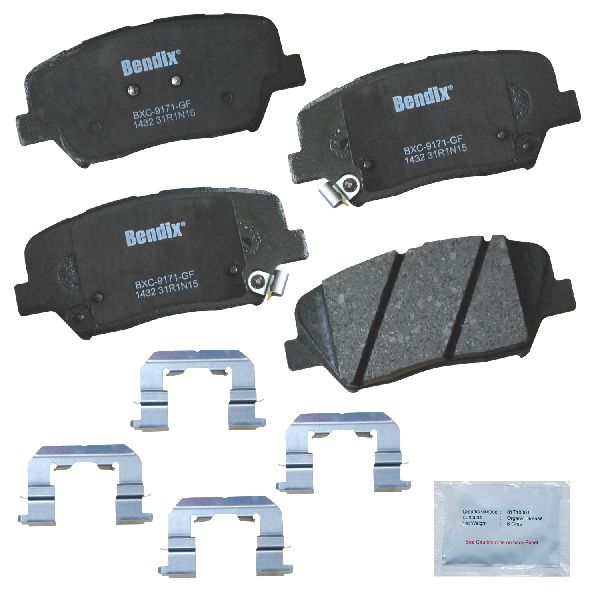
- Bosch: Bosch QuietCast pads are another premium option, engineered for quiet operation and low dust. They are a direct competitor to Akebono and provide excellent performance for daily driving.
- Wagner Brakes: The ThermoQuiet line is a long-standing favorite, known for good performance and noise reduction. They provide a reliable, budget-friendly alternative to premium brands.
- Raybestos: The Element3 and Professional Grade lines from Raybestos are solid choices that offer dependable stopping power and good durability. They are often compared directly with Wagner in terms of quality and price.
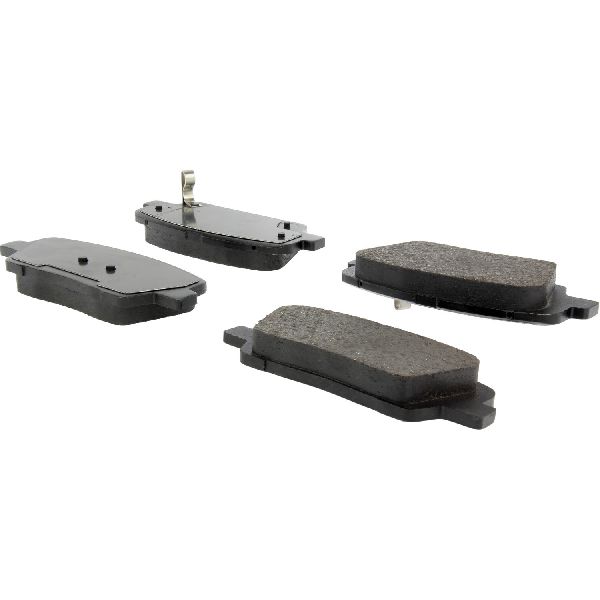
- Centric / Beck Arnley: These brands offer a huge catalog of parts that meet OEM specifications. They are a go-to for a reliable, no-frills replacement that will restore factory performance at a reasonable cost.
Performance & Towing Upgrade Pads
If you frequently tow with your Sorento, live in a hilly area, or simply want more initial bite from your brakes, a performance pad is a great upgrade.
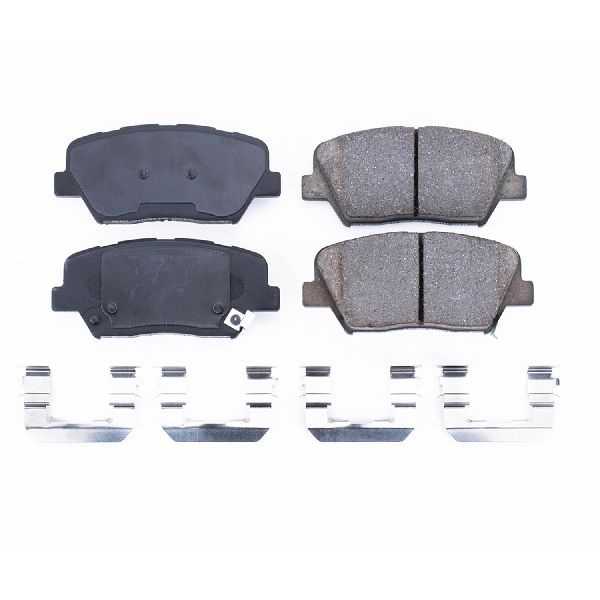
- PowerStop: PowerStop is famous for its all-in-one kits, like the Z23 Evolution Sport (for daily driving) and the Z36 Truck & Tow. These kits often include drilled and slotted rotors and carbon-fiber ceramic pads designed for better heat dissipation and increased stopping power with low dust.
- EBC Brakes: EBC offers different pad compounds for various uses, from the quiet Greenstuff to the high-performance Yellowstuff. They are a well-respected brand in the performance market, known for strong braking performance.
- Brembo: While famous for their high-end brake systems, Brembo also offers excellent replacement pads that provide superior stopping power and heat resistance, making them a great choice for a performance upgrade.
Economy Pads
For those on a tighter budget, economy pads can be a solution, but it's important to understand the trade-offs.
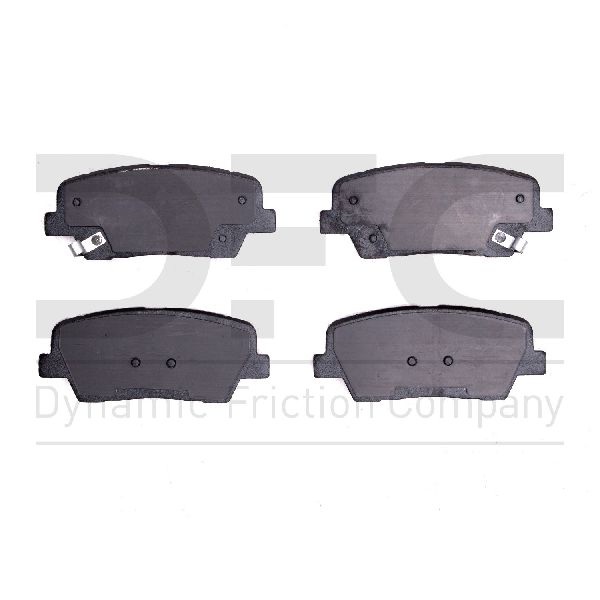
- Dynamic Friction: This brand focuses on providing a low-cost alternative. While functional, economy pads may wear faster, create more dust, and be noisier than premium options.
A Note on Aftermarket Fitment
Some owners have reported a "clunking" or "snapping" noise during acceleration or deceleration after installing aftermarket brake pads. This can be caused by loose tolerances in the pads or clips, allowing the pad to shift slightly in the caliper bracket. Using high-quality aftermarket brands or ensuring the included hardware (clips) is installed correctly can help prevent this.
Cost to Replace Kia Sorento Brake Pads

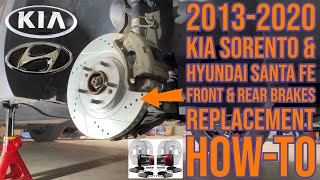
The cost can vary based on your location and the parts you choose. It is always recommended to replace pads as a set for one axle 🎬 Watch this complete front and rear brake replacement walkthrough. (both front or both rear wheels) at the same time.
| Service | Estimated Cost (Parts & Labor) |
|---|---|
| Front Brake Pad Replacement | $150 - $320 |
| Rear Brake Pad Replacement | $150 - $320 |
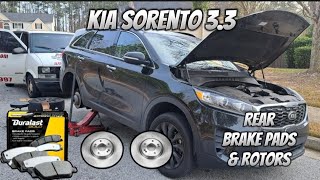
| Brake Pad & Rotor Replacement (per axle) | 🎬 See how to replace rear pads and rotors yourself.$350 - $600+ |
*Prices are estimates and can vary. Costs are higher if rotors also need replacement.
Frequently Asked Questions (FAQ)
How often should I replace my Sorento's brake pads?
Brake pad life varies greatly depending on your driving habits and environment. Generally, you can expect them to last between 30,000 and 70,000 miles. City driving with frequent stops will wear pads faster than highway driving. A visual inspection is the best way to know for sure.
Do I need to replace my rotors at the same time as the pads?
Not always, but it is often recommended. If your rotors are below the minimum thickness specification, have a significant lip on the edge, or show signs of heavy grooving or warping (vibration), they must be replaced. Installing new pads on worn rotors can reduce performance and lead to noise. Many mechanics recommend replacing pads and rotors together for the best results.
What is the Electronic Parking Brake (EPB) service mode?
Sorento models equipped with an Electronic Parking Brake (EPB) require a special procedure for rear brake replacement. The electronic caliper motor must be retracted using a diagnostic scan tool before you can press the piston back. Attempting to force the piston back without putting the system in service mode will damage the caliper. This is a critical step 🎬 Watch: How to release the Electronic Parking Brake without a scan tool. for any DIY replacement on a Sorento with an EPB.
What's the difference between ceramic and semi-metallic pads?
Ceramic pads are known for being very quiet, producing low amounts of fine, light-colored dust, and having a long life. They are great for daily driving. Semi-metallic pads contain metal fibers that help dissipate heat better, offering stronger performance in heavy braking or towing situations. However, they can be noisier and produce more dust than ceramic pads.
Helpful Videos
Technical Specifications
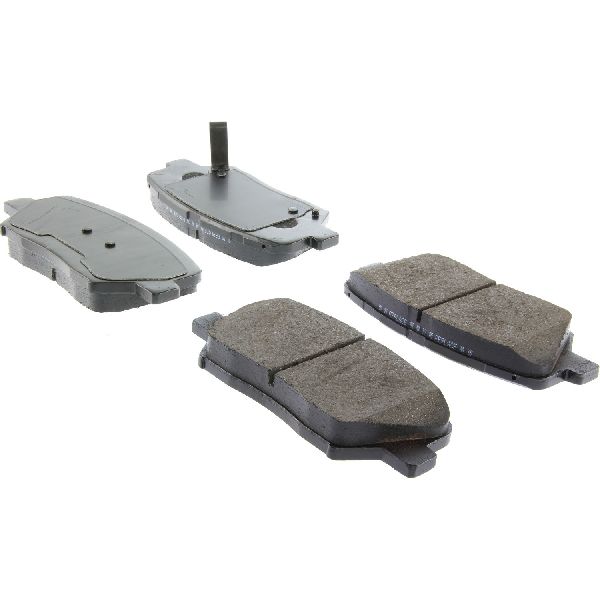
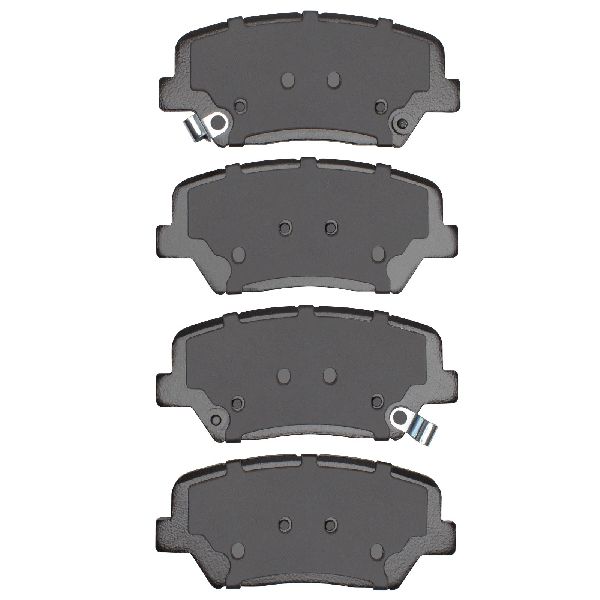
Brake pad replacement is specific to the vehicle's front or rear axle and whether it is equipped with a standard or Electronic Parking Brake (EPB). Most aftermarket pads are ceramic or semi-metallic. Always verify fitment using your Sorento's specific year and trim level.
We Have This Part in Stock

The information in this article is provided for general reference and educational purposes only. Vehicle specifications, procedures, and part compatibility can vary by production date, trim level, and region. Always consult your vehicle's factory service manual and verify part numbers before purchasing or performing repairs. Safety-critical components such as airbags, seat belts, and braking systems should be installed by a qualified professional.
- Kia Sorento: