

Honda CR-V Spark Plug Replacement Guide (2017-2025)
Keep your CR-V's 1.5L Turbo or Hybrid engine running efficiently by choosing the right spark plugs.
- Stick with OEM-equivalent brands like NGK or Denso Iridium plugs for the best performance, especially for the 1.5L Turbo engine.
- Due to potential oil dilution issues in 2017-2021 1.5T models, check plugs for fouling and consider a shorter replacement interval (e.g., 30,000-60,000 miles).
- A flashing check engine light indicates a misfire that requires immediate attention to prevent costly catalytic converter damage.
- This is a DIY-friendly job that can be done in under an hour with basic tools, saving on labor costs.
Symptoms of Failing Spark Plugs in a CR-V

When your spark plugs are wearing out, your CR-V's engine performance will suffer. You might notice one or more of these signs:
- Rough Idle: The engine may shake or vibrate more than usual when you're stopped.
- Hesitation or Misfiring: You might feel a hesitation or stumble from the engine when you accelerate. A flashing check engine light often accompanies a misfire.
- Reduced Fuel Economy: Worn plugs can cause inefficient combustion, making you visit the gas station more often. Worn spark plugs can decrease fuel efficiency by as much as 30%.
- Poor Acceleration: The vehicle may feel sluggish or slow to respond when you press the gas pedal.
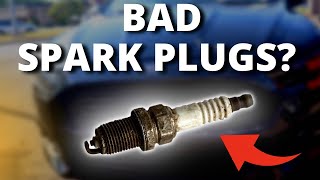
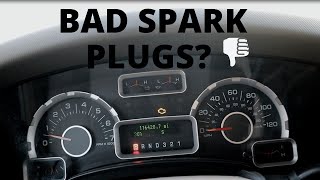
- Check Engine Light: A steady or flashing check engine light can be triggered by failing spark plugs. Common codes include P0300 (random misfire) and P0301-P0304 (misfire in a specific cylinder). 🎬 Watch: See a visual guide to symptoms of bad spark plugs.
Known Issues: Oil Dilution and Fouled Plugs
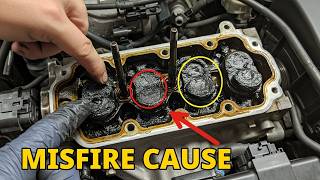
Some 2017-2021 CR-V models with the 1.5L Turbo engine have been known to have an issue with fuel mixing with the engine oil, a problem known as oil dilution. This can lead to spark plugs becoming fouled with fuel or oil, causing misfires and other drivability problems. Honda issued Technical Service Bulletins (TSBs) and a warranty extension for some vehicles to address this with software updates and, if necessary, part replacements. If you have a 1.5T model and experience recurring misfires, it's important to check your spark plugs for signs of fouling.
🎬 Learn more about 1.5T carbon buildup and misfire causes.Choosing the Right Aftermarket Spark Plugs

For Honda engines, especially the sensitive 1.5L Turbo, sticking close to the original equipment (OEM) specifications is highly recommended. The original plugs are made by NGK or Denso.
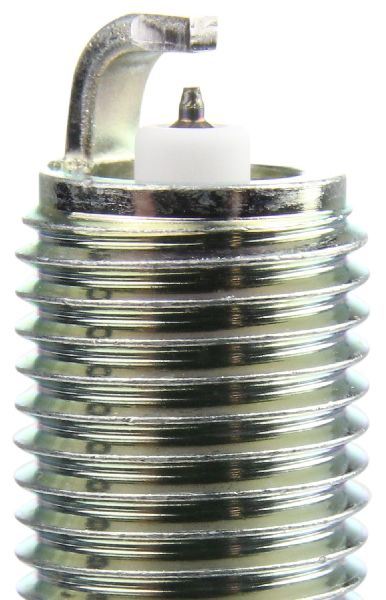
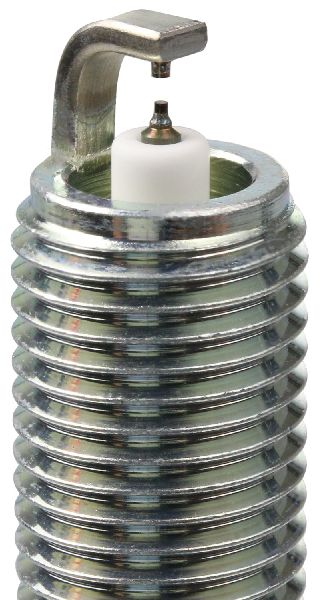
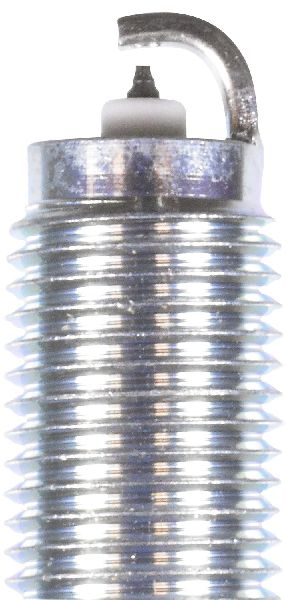
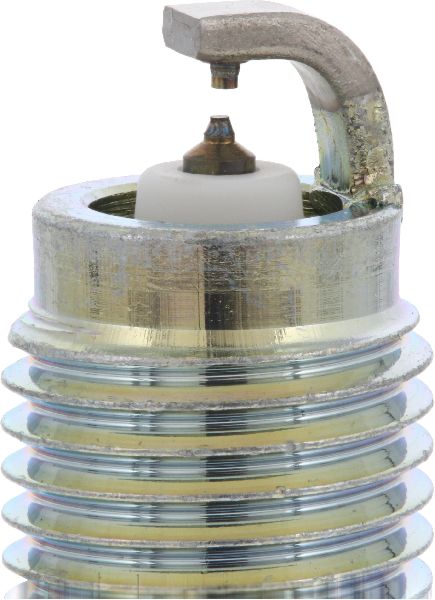
- Top Tier (OEM Equivalent): NGK and Denso are the original equipment suppliers for Honda. Choosing their Iridium or Laser Iridium spark plugs is the safest bet for maintaining factory performance and longevity. These are designed specifically for your CR-V's engine.
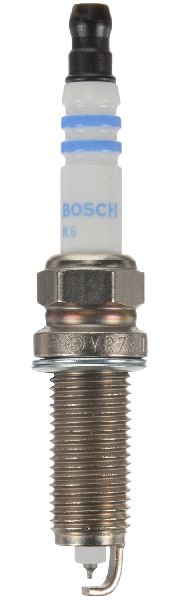
- Mid-Tier (Quality Alternatives): Brands like Bosch offer high-quality Iridium spark plugs that are a good alternative to OEM. They are a reputable brand, but it's crucial to ensure you get the exact model specified for your CR-V's engine.
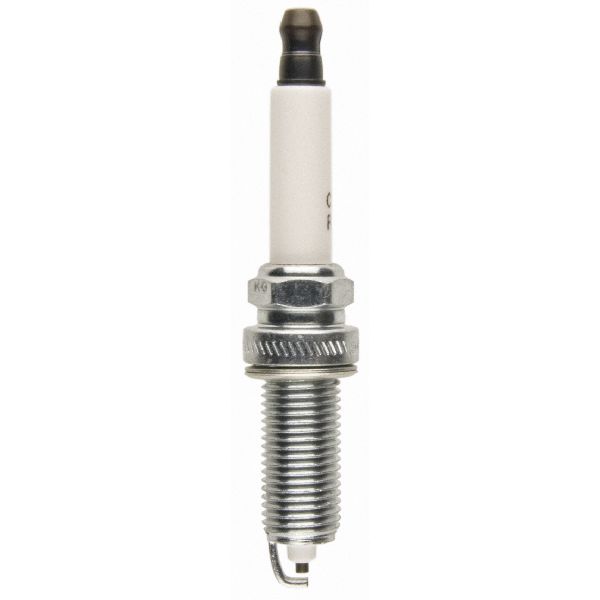
- Economy Tier (Use with Caution): While brands like Champion offer more budget-friendly options, they may not provide the same performance or lifespan as OEM-spec plugs in the CR-V's turbo engine. For this specific vehicle, it's generally advised to invest in the higher-tier brands to avoid potential issues.
A Note on Counterfeits
Be cautious when buying spark plugs from online marketplaces like eBay or Amazon. There are many counterfeit NGK and Denso plugs in circulation that can cause serious engine problems. It's best to purchase from reputable auto parts stores.
Spark Plug Replacement Cost for 2017-2025 Honda CR-V

| Item | Estimated Cost |
|---|---|
| New Aftermarket Spark Plugs (Set of 4) | $32 - $135 |
| Shop Labor Cost | $76 - $111 |
| Total Professional Replacement | $169 - $245 |
Cost estimates are based on national averages and may vary by location and specific product choice.
Frequently Asked Questions

When should I replace the spark plugs on my CR-V?
The replacement interval can vary. While some general guides suggest every 30,000 miles, Honda's Maintenance Minder system is the most accurate guide. For the 1.5L Turbo, many owners and service schedules point towards replacement around the 30,000 to 60,000-mile mark, while other sources suggest intervals up to 100,000 miles. Given the known issues with the 1.5T engine, inspecting them more frequently is a good idea.
What is the correct spark plug gap for a 2017-2025 CR-V?
The spark plug gap can vary slightly by manufacturer, but a common specification is around 0.030 inches for NGK plugs or up to 0.044 inches for others. High-quality Iridium plugs from NGK and Denso usually come pre-gapped and should not be adjusted, as you risk damaging the fine iridium tip.
Can I replace the spark plugs myself?
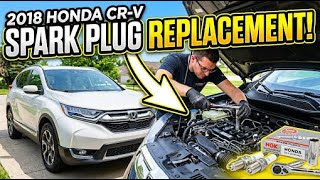
Yes, for many DIYers, this is a manageable job. It requires removing the engine cover and ignition coils. You will need a 10mm socket for the coils and a 14mm or 9/16" spark plug socket with an extension. It's a relatively simple process that can be completed in under an hour.
🎬 Watch this step-by-step walkthrough for a professional OEM plug replacement.Do I need to use anti-seize on the new spark plugs?
This is a debated topic. Major manufacturers like NGK advise against using anti-seize on their modern plugs because the metal plating already provides anti-seizing properties. Adding lubricant can cause you to over-torque the plug, potentially damaging the cylinder head. It's best to follow the plug manufacturer's specific instructions.
Helpful Videos

Technical Specifications
OEM Part Numbers: 12290-5PA-A01 12290-5A2-A02 12290-RDF-A01
Engine Fitment: 1.5L Turbo (L15B7), 2.0L Hybrid (LFA1/LFB1). Socket Size: 14mm or 9/16". Plug Type: Iridium tipped is recommended.
We Have This Part in Stock

The information in this article is provided for general reference and educational purposes only. Vehicle specifications, procedures, and part compatibility can vary by production date, trim level, and region. Always consult your vehicle's factory service manual and verify part numbers before purchasing or performing repairs. Safety-critical components such as airbags, seat belts, and braking systems should be installed by a qualified professional.
- Honda CR-V: