

A Professional's Guide to the 2019-2025 Chevrolet Blazer Radiator
Everything a Blazer owner needs to know before replacing a failing radiator.
- Radiator failure often involves leaks from the plastic end tanks, a common issue on modern vehicles.
- Quality aftermarket radiators offer a significant cost saving over OEM parts and are a reliable choice for this repair.
- While replacing the radiator, it is highly recommended to also replace the radiator hoses and cap.
- No recalls exist for the radiator, but a TSB for steam from the grille and a special coverage for thermostats are known issues.
Is Your Blazer's Radiator Failing?


A radiator problem in your 2019-2025 Blazer isn't something to ignore. When the radiator can't cool the engine properly, it can lead to severe overheating and very expensive engine repairs. Most modern radiators, including the one in your Blazer, use an aluminum core with plastic side tanks. Over time, these plastic tanks can become brittle from constant heating and cooling cycles, leading to cracks and leaks.
Symptoms of a Bad Radiator:
- Engine Overheating: The most obvious sign. If your temperature gauge is in the red, pull over safely as soon as possible.
- Coolant Leaks: Finding puddles of sweet-smelling, orange or pink fluid (Dex-Cool) under the front of your Blazer is a sure sign of a leak.
- Low Coolant Light: A frequent need to top off your coolant reservoir indicates a leak somewhere in the system.
- Visible Rust or Corrosion: Rust on the radiator can lead to reduced cooling efficiency and leaks.
Known Issues for the 2019-2025 Blazer
Some owners have reported radiator leaks developing at the seam where the plastic end tank meets the aluminum core, particularly on the upper passenger side, often after 100,000 miles. Additionally, General Motors issued informational bulletin TSB #19NA104 regarding steam or vapor that may be seen coming from the grille area, which could be related to the cooling system. While not a radiator issue, a faulty thermostat can trigger a check engine light (DTC P0128) and cause fans to run excessively, which owners might mistake for a radiator problem.
🎬 See how to replace a faulty thermostat on the 3.6L motor.Choosing a Replacement Radiator: OEM vs. Aftermarket

When it's time for a replacement, you have two main choices: a new OEM part from the dealer or a new aftermarket part. The original GM radiator is a high-quality part designed specifically for your vehicle, but it comes at a premium price. Aftermarket radiators are designed to be direct-fit replacements that meet or exceed original specifications, often at a much lower cost. For a vehicle like the Blazer, a quality aftermarket radiator provides a reliable repair without the high dealer price tag, making it the most cost-effective choice for most owners.
Aftermarket Brand Options
When shopping for an aftermarket radiator, you'll encounter several brands. Here’s an honest look at what you can expect:
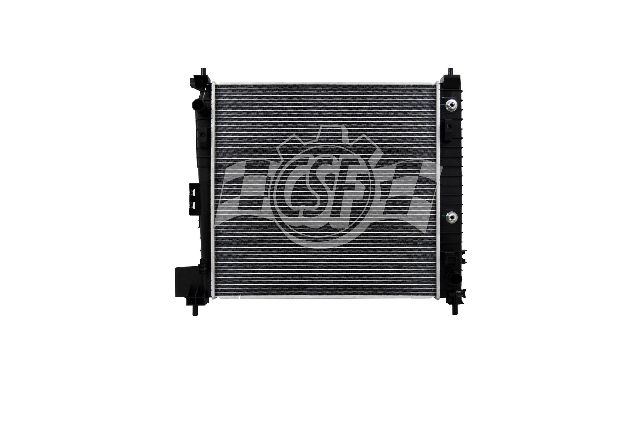
- CSF Radiator: CSF is a well-known brand in the cooling world. They offer both standard OEM-style replacements (aluminum core with plastic tanks) and high-performance all-aluminum models. Reviews suggest their standard replacement radiators are a solid choice and comparable to other quality aftermarket brands.
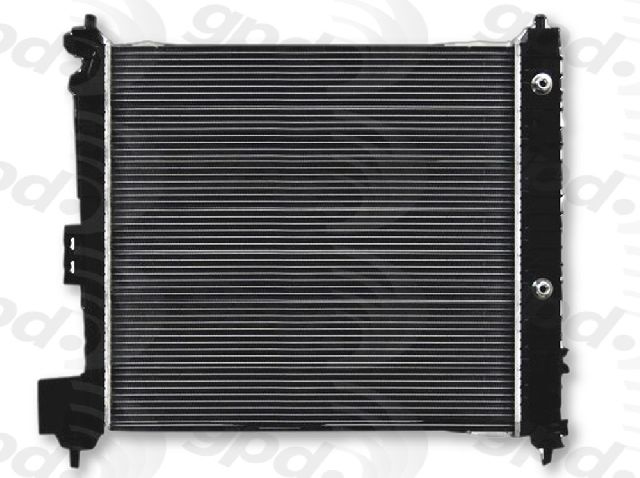
- Global Parts (gpd): This brand offers direct-fit replacement radiators. They are typically a budget-friendly option. Information and long-term reviews are less common compared to more established brands, but they serve as a functional replacement to get your vehicle back on the road.
- One Stop Solutions: This brand has a limited online footprint for its cooling components, making it difficult to find independent reviews or assess long-term quality. When brand reputation is hard to verify, the warranty and return policy of the seller become much more important.
Pro Tip: Check Your Hoses and Cap
While you're replacing the radiator, it's the perfect time to inspect the upper and lower radiator hoses, as well as the smaller bypass and heater hoses. If they feel brittle, mushy, or swollen, replace them now to avoid another repair down the road. A new radiator cap is also a cheap and smart investment to ensure the system holds pressure correctly.
Radiator Replacement Cost for 2019-2025 Chevrolet Blazer

The total cost depends on the parts you choose and whether you do the work yourself or hire a professional mechanic. Labor for this job typically takes 2-3 hours.
| Part/Service | Estimated Cost |
|---|---|
| New Aftermarket Radiator | $232 - $300 |
| New OEM Radiator (Dealer) | $600 - $850+ |
| Shop Labor | $350 - $650 |
| Total Professional Replacement (Aftermarket Part) | $582 - $950 |
| Total Professional Replacement (OEM Part) | $950 - $1,500+ |
Frequently Asked Questions
Can I replace the Blazer radiator myself?
Yes, if you have moderate mechanical skill and the right tools. The job involves draining the coolant, removing the air intake, disconnecting several hoses (including transmission cooler lines), removing the electric fan assembly, and then unbolting the radiator. 🎬 Watch this step-by-step 2019 Blazer radiator replacement walkthrough. It can take several hours to a full day for a DIYer. Always use jack stands for safety.
Do I need to discharge the A/C system?
No. The A/C condenser is a separate component that sits in front of the radiator. You will need to carefully unbolt it and move it aside to get the radiator out, but the A/C system itself does not need to be opened or discharged.
What type of coolant does the 2019-2025 Blazer use?
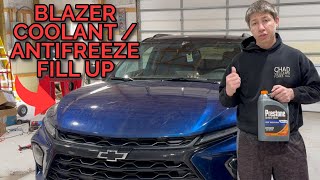
Your Blazer requires DEX-COOL coolant, which is typically orange or pink. When you replace the radiator, you will need to refill the system with a 50/50 mixture of DEX-COOL concentrate and distilled water, or use a pre-mixed 50/50 solution. Never use tap water.
🎬 Watch: How to properly fill or replace your Blazer's coolant.Are there any recalls on the Blazer radiator?
As of early 2026, there are no active safety recalls from the NHTSA specifically for the radiator on the 2019-2025 Chevrolet Blazer. Recalls do exist for other components on the Blazer and Blazer EV, but they are unrelated to the cooling system of the standard gasoline models.
Helpful Videos
Technical Specifications
OEM Part Numbers: 84672581 85557761
Core Material: Aluminum; Tank Material: Plastic
We Have This Part in Stock


The information in this article is provided for general reference and educational purposes only. Vehicle specifications, procedures, and part compatibility can vary by production date, trim level, and region. Always consult your vehicle's factory service manual and verify part numbers before purchasing or performing repairs. Safety-critical components such as airbags, seat belts, and braking systems should be installed by a qualified professional.
- Chevrolet Blazer: