

Volkswagen Jetta Engine Crankshaft Position Sensor Guide (2017-2024)
Experiencing starting issues, stalling, or a check engine light in your Jetta? Your crankshaft position sensor might be the culprit.
- A failing crankshaft sensor can cause stalling or a no-start condition, leaving you stranded.
- For this critical part, choose a high-quality aftermarket brand like Bosch, Delphi, or NGK over budget options.
- Due to the difficult location on 1.4T/1.5T engines, professional installation is recommended for most owners.
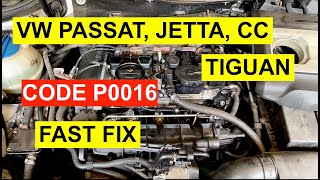
- Common fault codes are P0321 and P0322, which point directly to a sensor circuit issue.
Is a Failing Crankshaft Position Sensor a Common Problem on the 2017-2024 Jetta?

While not a universal issue, failure of the crankshaft position sensor is a known problem across many Volkswagen models, including the Jetta. These sensors operate in a high-heat environment near the engine block and can fail over time due to heat exposure, vibration, and internal electronic wear. Symptoms often appear intermittently at first, making diagnosis tricky, but they typically worsen over time.
Symptoms of a Bad Crankshaft Position Sensor

A failing crankshaft sensor can cause a range of problems, from annoying to leaving you stranded. Here are the most common signs to watch for in your Jetta:
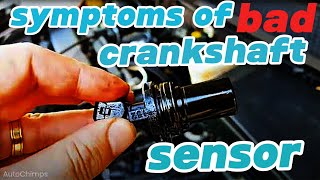
🎬 Watch: A visual guide to 7 common bad crankshaft sensor symptoms.- Check Engine Light: This is often the first sign. A code scanner will likely show codes such as P0321, P0322, or P0016.
- Engine Won't Start: The ECU needs the crank sensor signal to initiate spark and fuel. Without it, the engine may crank but will not start.
- Intermittent Stalling: The engine may shut off unexpectedly while driving or when stopped at an idle. This is a serious safety concern.
- Rough Idle and Misfires: The engine may run unevenly, vibrate, or sound like it's sputtering because the timing is off.
- Poor Acceleration: You might notice your Jetta feels sluggish or lacks power when you press the gas pedal.
- Decreased Fuel Economy: Inefficient engine timing caused by a bad sensor can lead to your car using more fuel than normal.
Critical Failure Warning
A complete failure of the crankshaft position sensor will prevent the engine from running. If you are experiencing intermittent stalling, it is highly recommended to replace the sensor as soon as possible to avoid being stranded.
Choosing the Right Aftermarket Sensor

When it comes to critical electronic sensors, quality matters. While an OEM (Original Equipment Manufacturer) sensor from a Volkswagen dealer is always an option, high-quality aftermarket parts can offer excellent performance for a lower price. However, using extremely cheap, no-name sensors is often a bad idea, as they can fail quickly or be dead on arrival.
Here's a breakdown of common aftermarket brands:
- OEM-Tier Brands (e.g., Bosch, Delphi, Hitachi, NGK/NTK): These companies often manufacture the original parts for Volkswagen. Choosing a sensor from one of these brands is the closest you can get to dealer quality without the dealer price tag. They are built to meet or exceed original specifications.
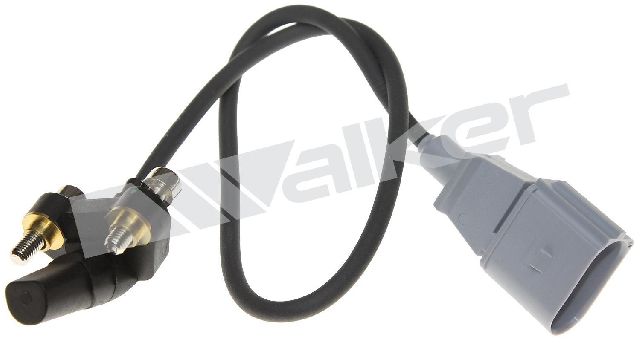
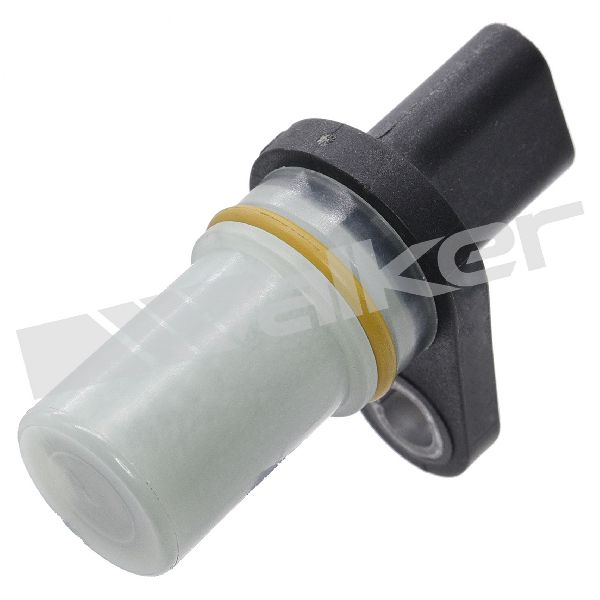
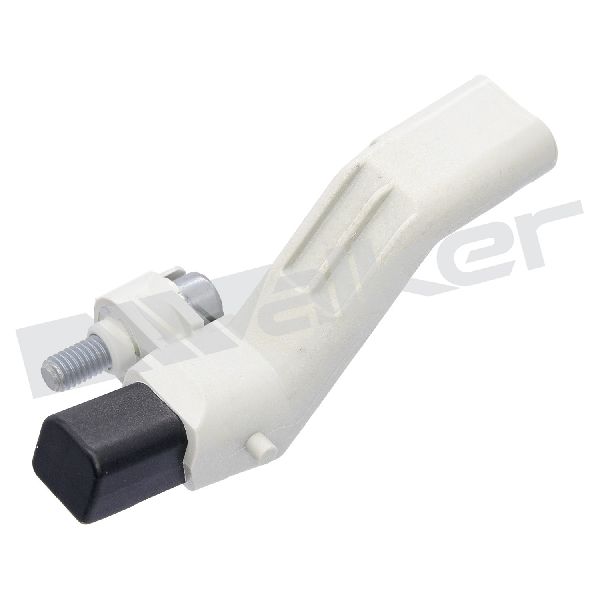
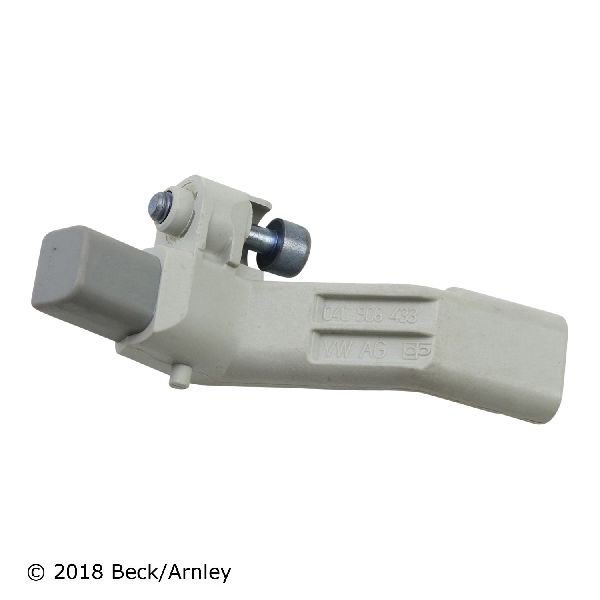
- Quality Aftermarket Brands (e.g., Beck Arnley, Standard Ignition (SMP), Walker Products, Holstein): These are reputable companies known for producing reliable replacement parts. They often provide a good balance of quality and value. Forum discussions frequently mention Standard Motor Products (which includes Intermotor) and Beck Arnley as solid choices if OEM is not an option.
- Value-Oriented Brands (e.g., Dorman, Skyward, Global Parts): These brands focus on affordability. While some of their parts are perfectly fine, their quality can sometimes be inconsistent for sensitive electronics like a crankshaft sensor. A Dorman sensor might work, but for a critical part that can leave you stranded, sticking with a higher-tier brand is often recommended by mechanics and experienced owners.
Pro Tip: OEM vs. Aftermarket
For a critical sensor like this, spending a little more on a brand like Bosch, Delphi, or NGK is a wise investment. The labor to replace the part is the same whether you use a cheap one or a quality one, and you don't want to do the job twice or get stranded because of a faulty part.
Known Issues, Recalls & TSBs
As of early 2026, there are no specific recalls or Technical Service Bulletins (TSBs) from the National Highway Traffic Safety Administration (NHTSA) directly concerning the crankshaft position sensor for the 2017-2024 Volkswagen Jetta. Searches revealed recalls for other issues on these model years, such as engine block casting (2017) and connecting rod bearings (2024), but none for this specific sensor.
Cost of Replacement

The cost to replace a crankshaft position sensor in a 2017-2024 Jetta can vary based on your location and the parts you choose.
| Item | Estimated Cost |
|---|---|
| New Aftermarket Crankshaft Sensor | $22 - $90 |
| New OEM Crankshaft Sensor | $130 - $210 |
| Shop Labor | $100 - $200 |
| Total Estimated Cost (Aftermarket Part) | $122 - $290 |
Frequently Asked Questions
Where is the crankshaft position sensor located on a 2017-2024 Jetta?
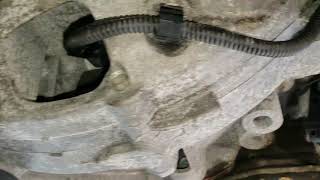
On the 1.4T and 1.5T engines common in this generation, the sensor is notoriously difficult to access. It is located on the bell housing, where the engine meets the transmission, but it is often buried behind other components, sometimes requiring removal of the intake manifold for access. On older 2.5L engines, it was easier to reach from underneath the car near the oil filter housing.
Can I replace the Jetta crankshaft sensor myself?
For the 2017-2024 models with the 1.4T/1.5T engine, this is a difficult job for a DIY mechanic due to the sensor's location. It requires removing multiple components to gain access. If you have an older Jetta with a 2.5L engine, the job is much more feasible for a home mechanic with basic tools. For the newer models, professional installation is recommended for most owners.
🎬 Watch this walkthrough to see the Jetta crankshaft sensor replacement process.Do I need to perform a "relearn" procedure after replacing the sensor?
Generally, for Volkswagen, a specific relearn procedure is not required for the crankshaft position sensor itself. After installation, you should clear the fault codes from the ECU using a scan tool. The system will adapt to the new sensor automatically. Some owner forums mention a relearn procedure, but this is more common on other vehicle makes.
Will a bad crankshaft sensor always cause a Check Engine Light?
Not always, especially in the early stages of failure. The sensor can fail intermittently, causing symptoms like stalling or hard starting without immediately storing a permanent fault code. If the problem persists, the light will eventually come on.
Helpful Videos
Technical Specifications
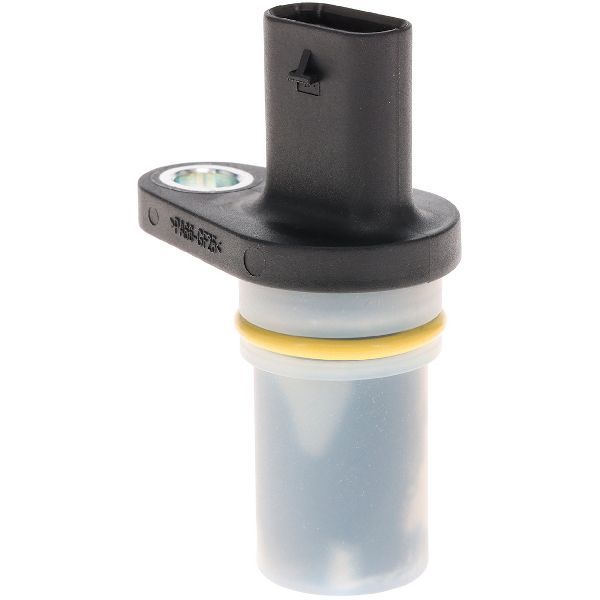
OEM Part Numbers: 04L906433 07K906433B 06A906433G
This is a Hall-Effect type sensor that reads the position of the crankshaft via a reluctor wheel. It is typically mounted to the engine block or transmission bell housing.
We Have This Part in Stock


The information in this article is provided for general reference and educational purposes only. Vehicle specifications, procedures, and part compatibility can vary by production date, trim level, and region. Always consult your vehicle's factory service manual and verify part numbers before purchasing or performing repairs. Safety-critical components such as airbags, seat belts, and braking systems should be installed by a qualified professional.
- Volkswagen Jetta: